
For security system integrators, the biggest challenges are not just image quality, but 24/7 reliability, low false-alarm rates, and consistent performance in real-world environments. Unlike visible light cameras that depend on illumination, thermal technology detects infrared radiation emitted by objects, enabling consistent performance regardless of lighting conditions. This capability allows security systems to maintain reliable monitoring in complete darkness and under adverse environmental conditions where traditional cameras struggle to operate effectively.
Why Thermal Modules Are the Irreplaceable Foundation of Security Thermal Cameras
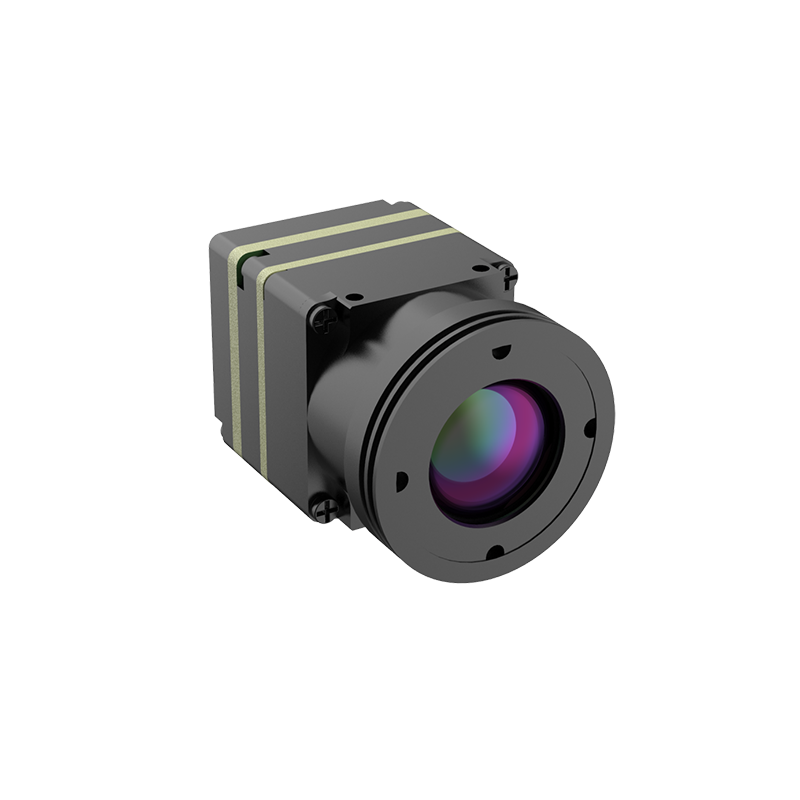
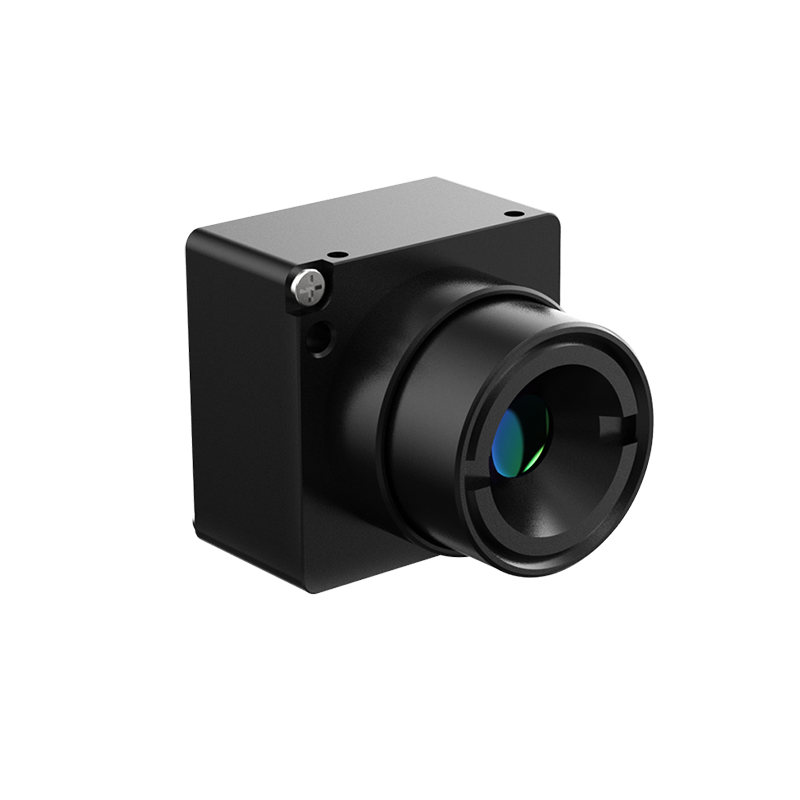
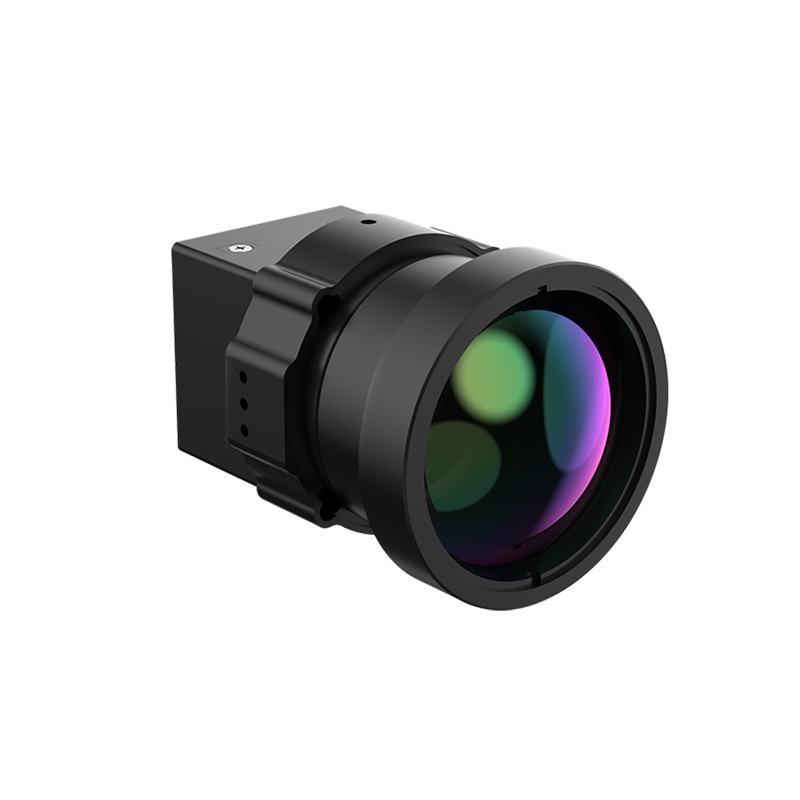
As security frameworks evolve toward higher reliability and lower maintenance requirements, uncooled infrared modules are increasingly adopted due to their durability, compact design, and operational stability. Turing F series thermal modules utilize a high-sensitivity VOx (Vanadium Oxide) infrared detector. Acting as a high-performance imaging kernel, this detector accurately captures subtle thermal variations of targets, ensuring precise and dependable detection across a wide range of scenarios. For Security Thermal Cameras, thermal module is the most critical component. By utilizing advanced image algorithms, these thermal modules can filter atmospheric noise and enhance the contrast between a subject and its background. This technical edge is what makes a thermal module for security indispensable for identifying potential threats in total darkness or through obscurants like smoke and dust.
High-Resolution Thermal Module Enables Long-Range and Precise Security Detection
The Turing F series thermal module represents a significant advancement in security thermal imaging performance, offering resolutions ranging from 384×288 up to 1280×1024. High-resolution thermal modules provide a greater number of pixels on target (NPOT), which is essential for accurate detection, classification, and monitoring at long distances. This capability supports security operations that demand extended-range observation without sacrificing image clarity or reliability. To accommodate a wide range of operational requirements, the thermal module supports multiple lens configurations and intelligent focusing functions. It is compatible with athermalized prime lenses, prime electric focusing lenses, and continuous zoom lenses. The system enables electric focus, continuous zoom, automatic focus, and defocusing compensation functions, ensuring optimal image quality across varying distances and environmental conditions. These features provide operators with a seamless and efficient monitoring experience, supporting continuous “always-on” situational awareness.
What Are the Key Applications of Thermal Cameras for Security Monitoring?
The versatility of thermal cameras for security allows them to be deployed across diverse and demanding environments. Because thermal imaging does not rely on visible light, it is particularly effective in specialized monitoring scenarios:
Forest Fire Prevention Thermal modules enable early identification of abnormal heat sources and potential fire “hot spots” before they escalate into uncontrollable wildfires. Upgraded image algorithms are specifically optimized for forest and sky environments, improving detection accuracy.
Water Area Monitoring In maritime and waterfront environments, challenges such as sea glare, reflections, and fog can severely limit the effectiveness of standard cameras. Thermal modules penetrate these visual obstacles, providing reliable monitoring for water area security.
High-Altitude Observation Thermal modules support long-range monitoring from elevated positions, making them suitable for observing wide urban or rural expanses where extended detection distance is essential.

How Do Thermal Modules Simplify System Integration and Deployment?
Beyond imaging performance, ease of system integration is a critical consideration for manufacturers and developers. A high-tier thermal module for security provides multiple interface options, including Ethernet, LVCMOS, BT.601, and BT.1120, enabling flexible integration into diverse system architectures.
With support for ONVIF, GB28181, and an open SDK, development complexity is reduced and deployment timelines are accelerated. Integrated alarm I/O, intelligent analytics capabilities, and robust environmental adaptability make TF384 a reliable solution for modern security monitoring and fire-detection applications. The ongoing transition toward automated and high-precision surveillance is driven by the capabilities of advanced thermal modules. By delivering clear and sharp infrared images in challenging conditions such as rain, fog, and low visibility, these modules significantly enhance the reliability of modern security systems. Whether applied in industrial temperature monitoring or long-distance maritime surveillance, TF1280 technology and its associated uncooled infrared module provide the operational stability and performance required for today’s safety-critical environments. Investing in a robust thermal module for security is not merely a technical enhancement—it is a fundamental requirement for comprehensive protection in an increasingly complex and unpredictable world.
About Raytron Microelectronics
Raytron Microelectronics, a wholly-owned subsidiary of Raytron Technology Co., Ltd., is a leader in uncooled infrared thermal imaging. With full-stack capabilities from IC and MEMS sensor design to system integration, we deliver high-performance infrared solutions for industrial monitoring, wildfire prevention, outdoor night vision, consumer electronics, and intelligent sensing. Guided by our mission, “To Create Incremental Value for Customers with Technological Advancements”, we continue to drive innovation and empower smarter, safer, and more efficient systems worldwide.For more on the Raytron Microelectronics program, visit:https://www.raytron-microelectronics.com/contact-us