

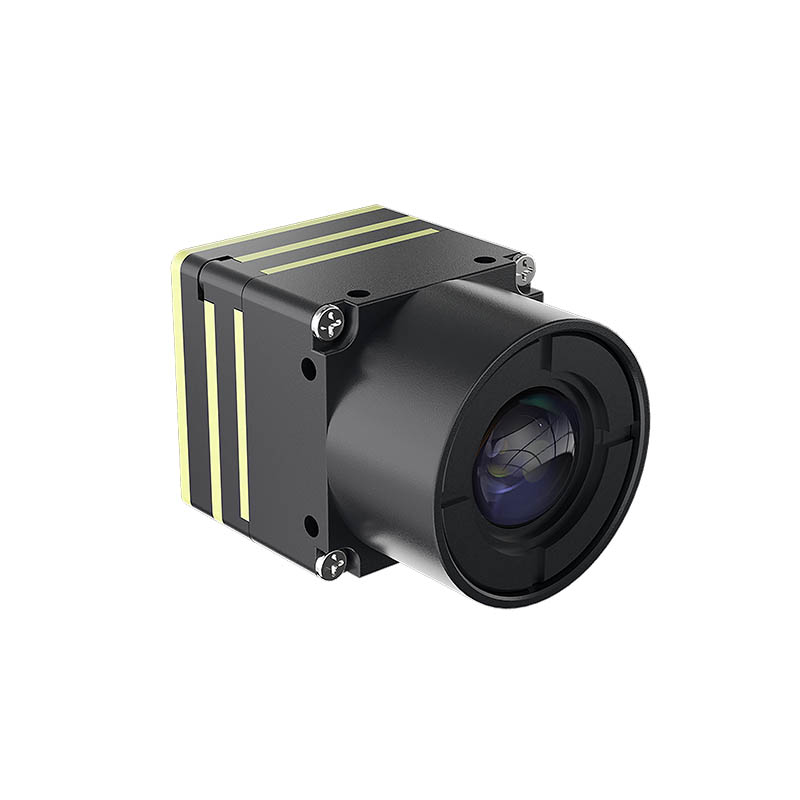
Forest fires present a significant threat to ecosystems, human settlements, and wildlife. With climate change increasing the frequency and severity of wildfires, efficient detection and prevention strategies have become more critical than ever. Integrating a thermal sensor in a forest fire prevention system is a crucial step in enhancing the effectiveness of early fire detection, minimizing environmental damage, and potentially saving lives. This article explores the role of thermal sensors in wildfire prevention and why their integration into forest fire detection systems is essential.
The Growing Threat of Forest Fires
The increasing incidence of forest fires globally poses a major environmental and public safety challenge. Factors like prolonged droughts, rising temperatures, and strong winds contribute to creating conditions conducive to wildfires. Traditional detection systems, such as lookout towers and manual surveillance, are often limited by human observation and prone to delays in alerting authorities. Consequently, fires frequently spread before effective action can be taken.
In this context, advanced thermal imaging technology has emerged as a valuable tool for proactive forest fire detection. A thermal sensor enables early identification of temperature changes, allowing forest management teams to react swiftly to prevent minor fires from escalating into large-scale disasters.

How Thermal Sensors Work in Fire Detection
Thermal sensors detect infrared radiation, or heat, emitted by objects. In forest fire detection, these sensors identify heat signatures, which indicate the presence of fire or even smoldering embers that are not visible to the human eye. When temperatures exceed normal levels, the thermal sensor registers the change and alerts monitoring systems. This real-time monitoring provides critical information to authorities, enabling faster decision-making and resource deployment.
Thermal sensors are particularly effective at detecting heat in remote or hard-to-access forested areas where human surveillance may be limited. Their ability to scan large areas and detect minor temperature anomalies significantly increases the likelihood of early intervention.
Advantages of Thermal Sensors in Forest Fire Prevention
Integrating thermal sensors into forest fire prevention systems offers numerous benefits:
- Early Detection: Thermal sensors can detect heat levels long before visible smoke or flames are present. This early detection reduces response times, allowing firefighting teams to contain the fire at an early stage.
- Wide Area Coverage: Advanced thermal sensors can cover extensive forest areas, making them ideal for monitoring large, remote, or uninhabited regions. They provide consistent surveillance regardless of weather conditions or time of day.
- Reduced False Alarms: Unlike other detection methods that may be triggered by fog, mist, or minor atmospheric changes, thermal sensors specifically detect heat sources. This specificity minimizes false alarms and ensures that only genuine fire threats are flagged for response.
- Cost Efficiency: While initial installation costs may be high, the long-term savings from minimizing fire-related damages far outweigh the investment. Preventing large fires reduces firefighting costs, minimizes resource depletion, and decreases environmental recovery expenses.

How Thermal Sensors Aid in Forest Management and Conservation
Beyond immediate fire detection, thermal sensors contribute to broader forest management and conservation efforts. They enable forest managers to monitor areas at risk for fire-prone conditions, such as dry foliage accumulation or high temperatures. This information assists in planning controlled burns, reducing combustible material in high-risk areas, and enhancing overall forest health.
Thermal sensors are also useful in identifying illegal activities, such as unauthorized logging, that may increase the likelihood of fires. By improving forest monitoring, these sensors play a role in promoting sustainable forest management and protecting vital ecosystems.

Challenges and Considerations
While thermal sensors offer several advantages in forest fire prevention, there are also some challenges. Dense vegetation can obscure sensor readings, and high humidity or precipitation may affect detection accuracy. Moreover, thermal sensor networks require regular maintenance to ensure consistent performance. Addressing these challenges involves strategic sensor placement, regular system checks, and possibly integrating additional sensors for more robust monitoring.
Vital Component of Effective Fire Prevention
The integration of thermal sensors into forest fire prevention systems represents a critical advancement in wildfire management. Thermal sensors enable early detection, reduce response times, and contribute to both environmental conservation and public safety. As forest fire risks continue to grow, deploying thermal sensor technology will be an indispensable element in modern fire prevention strategies.