
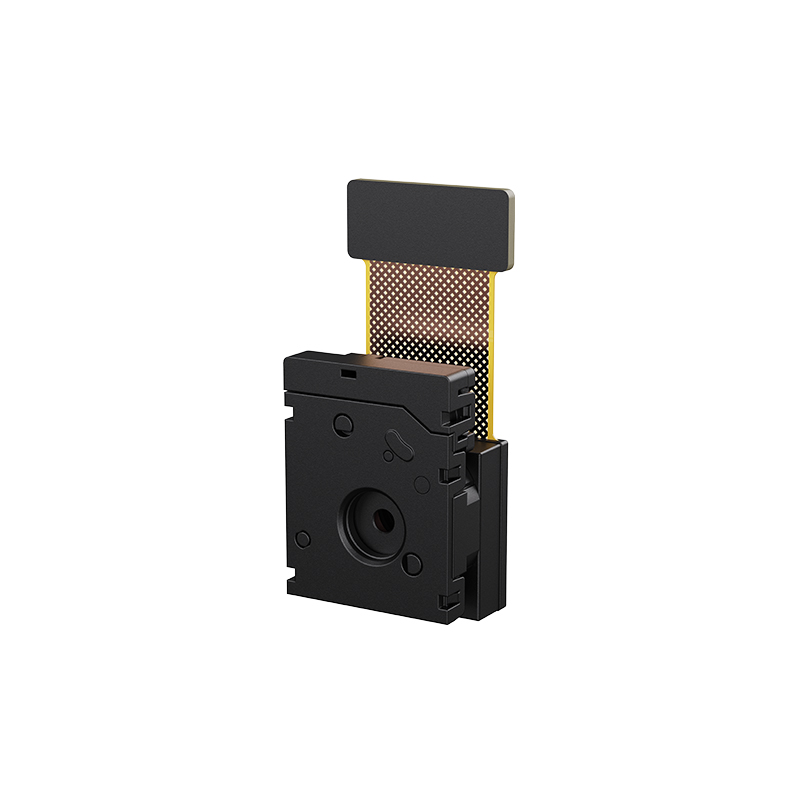
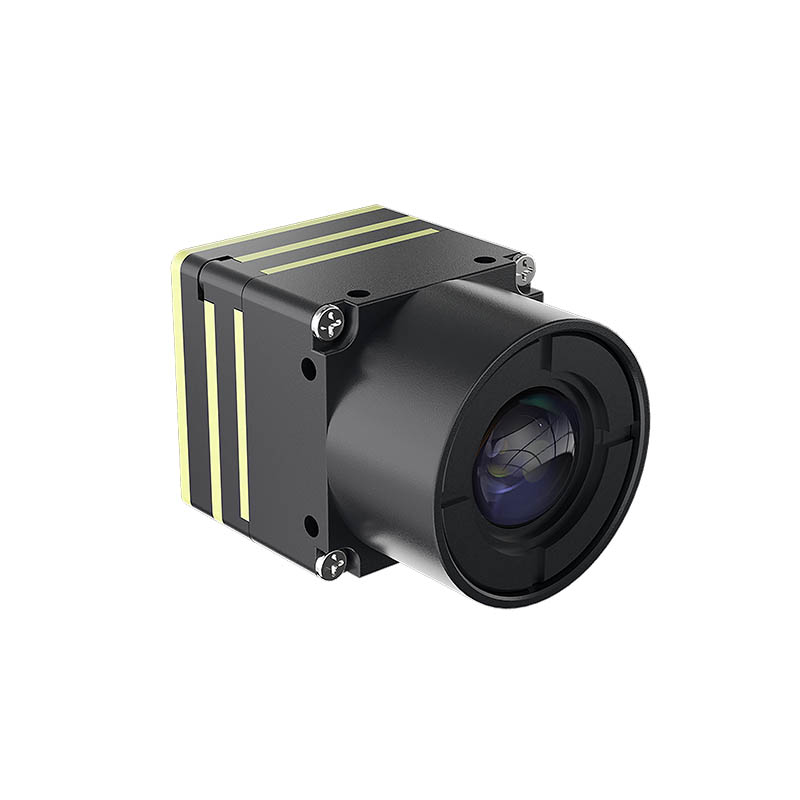
Thermal imaging has become a cornerstone technology in various industries, from security and surveillance to medical diagnostics and environmental monitoring. At the heart of these imaging systems lies the high definition infrared camera core, a critical component that defines the quality, clarity, and accuracy of thermal images. As thermal imaging continues to evolve, the demand for high-resolution infrared camera cores is on the rise, ensuring that the captured data is precise and useful for advanced applications.
What is a High Definition Infrared Camera Core?
An infrared camera core is essentially the brain of any thermal imaging device. It detects infrared radiation and converts it into a visible image, allowing users to “see” heat differences that are invisible to the naked eye. A high definition infrared camera core takes this technology a step further by enhancing image resolution and clarity.
The difference between a standard and high definition core comes down to pixel count and sensitivity. With more pixels, a high definition core can provide a sharper, more detailed image, which is especially important in industries that rely on accurate temperature readings and detailed thermal profiles.

Benefits of High Definition Infrared Camera Cores
The key benefit of a high definition infrared camera core is the enhanced precision it brings to thermal imaging. This is particularly important in fields where identifying subtle temperature differences is crucial for making informed decisions. For instance, in industrial inspections, the ability to detect small heat leaks or machinery malfunctions can prevent costly downtime. The hd ir camera core allows for better accuracy in detecting these minute differences.
Another significant advantage is the ability to capture finer details from greater distances. This is essential in security and monitoring, where identifying potential threats or unusual activity at a distance can make a critical difference. HD thermal camera cores not only provide superior image quality but also offer better contrast, enabling operators to distinguish objects and people with greater clarity.

Why High Resolution Matters in Thermal Imaging
High resolution in thermal imaging is about more than just producing a sharp picture—it’s about capturing the most accurate temperature data possible. Traditional infrared camera cores can sometimes struggle to differentiate between objects with similar heat signatures, leading to misinterpretation or loss of critical details. However, with a high definition ir camera core, these limitations are minimized.
By offering a higher pixel count, high resolution thermal cameras are able to capture subtle temperature variations across different objects, even in challenging environments. For example, in firefighting, distinguishing between hotspots and cooler areas is crucial for determining the safest and most effective path to extinguish a fire. The detailed imagery provided by a high resolution thermal camera can save lives and property by ensuring that firefighters have the most accurate information at their disposal.

Applications of High Definition Infrared Camera Cores
The applications of high definition infrared camera cores are vast, spanning multiple sectors where temperature data is critical. In automotive safety, for instance, thermal imaging is used to detect obstacles, pedestrians, or animals on the road in low-visibility conditions. A high definition infrared camera core ensures that these obstacles are identified quickly and accurately, reducing the risk of accidents.
In the medical field, hd thermal camera cores are being used to detect irregularities in body heat, which can be an indicator of infections, inflammations, or other underlying conditions. The high resolution offered by these cores ensures that even the smallest temperature changes are captured, aiding in more precise diagnostics.
Similarly, environmental monitoring benefits from the enhanced capabilities of high resolution thermal cameras, particularly in detecting heat variations in landscapes or wildlife habitats. The ability to map out heat signatures over large areas with clarity is invaluable for researchers studying climate change or tracking animal populations.

Future of Thermal Imaging with HD Infrared Camera Cores
As technology advances, the role of high definition infrared camera cores in thermal imaging will only continue to grow. Future developments may focus on increasing the resolution further, enhancing sensitivity, and reducing the size of the cores to make them more versatile for a wider range of applications. The demand for compact, high-performing thermal cameras will likely drive innovation, allowing industries to adopt thermal imaging solutions that were previously out of reach.
Moreover, advancements in hd ir camera cores could lead to the development of more affordable and accessible thermal imaging devices, making this technology available to a broader audience. As thermal imaging becomes more widespread, we can expect to see it integrated into everyday devices, enhancing safety, efficiency, and diagnostics across industries.

The high definition infrared camera core is a vital component in modern thermal imaging systems, providing enhanced resolution, better accuracy, and greater detail. Its applications span a wide range of industries, from automotive safety to medical diagnostics, and its importance will only continue to grow as the technology advances. High definition cores allow for more precise temperature readings, ultimately improving decision-making and outcomes in critical scenarios.
By investing in high resolution thermal cameras, industries can take full advantage of the power and accuracy of thermal imaging, ensuring that they stay ahead in a competitive, technology-driven world.