
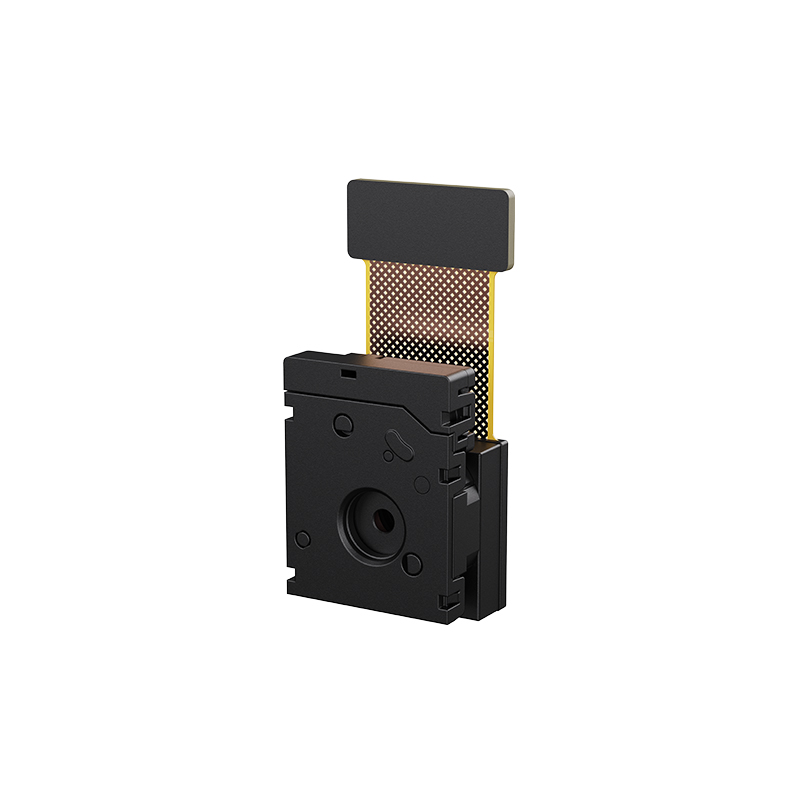
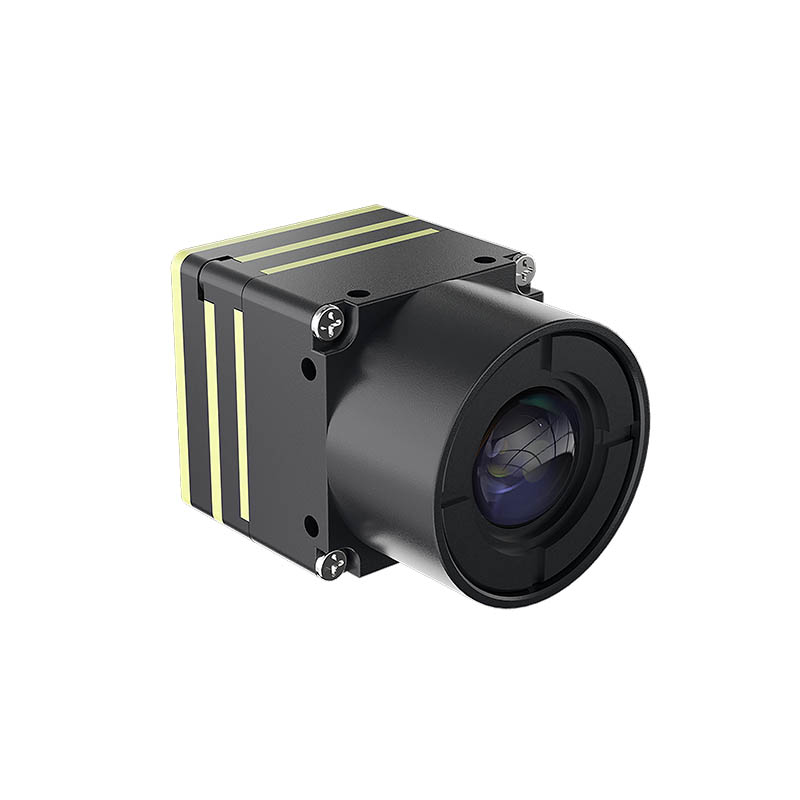
Thermal cameras have become indispensable in industries such as construction, healthcare, and security due to their ability to capture heat signatures rather than visible light. At the heart of these devices lies the thermal camera sensor, a sophisticated component that detects infrared radiation and converts it into a visual image. Understanding how these sensors work and the different types available can help in selecting the best option for various applications. In this article, we will explore the technology behind thermal camera sensors and dive into the different types of sensors used in these cameras.
What Is a Thermal Camera Sensor?
A thermal camera sensor functions by detecting infrared radiation, which all objects emit as a result of their temperature. This radiation is invisible to the human eye, but thermal cameras can translate it into an image that shows temperature variations. Unlike conventional cameras that rely on visible light, thermal cameras allow users to “see” heat, making them ideal for use in total darkness, through smoke, or in situations where temperature measurement is key. These sensors have applications in industries ranging from firefighting to medical diagnostics.

How Do Thermal Imaging Sensor Modules Work?
At the core of most thermal cameras is a thermal imaging sensor module. These modules consist of a thermal camera sensor, optics, and necessary electronics to process the infrared data into usable imagery. The modular design allows for easy integration into a variety of systems, providing flexibility and precision in different applications. For instance, these modules are often used in drones for aerial thermal imaging, in medical devices for diagnostics, and in building inspections for detecting heat loss or electrical issues.
Types of Thermal Camera Sensors
There are several types of thermal camera sensors, each optimized for different environments and applications. Below are some of the most common types:
Uncooled Thermal Sensors
Uncooled sensors are the most common type of thermal camera sensor found in commercial and industrial cameras. They do not require cryogenic cooling, which makes them more affordable and easier to maintain. These sensors rely on materials that change their electrical properties when exposed to infrared radiation, providing accurate temperature readings. Uncooled thermal sensors are widely used in applications like home inspections, electrical maintenance, and wildlife monitoring.

Cooled Thermal Sensors
Cooled thermal sensors are more advanced and sensitive than their uncooled counterparts, but they also come with a higher price tag. These sensors require cryogenic cooling to function, which allows them to detect minute temperature differences and produce high-resolution thermal images. They are typically used in specialized fields such as aerospace and scientific research, where performance and sensitivity are critical.

Different Types of Thermal Sensors
Thermal camera sensors are often categorized based on the wavelength range they detect. In addition to LWIR and SWIR sensors, there are other types that cater to niche requirements. For example:
LWIR Sensors (Long-Wave Infrared)
The LWIR sensor is designed to detect infrared wavelengths between 8 and 14 microns, making it particularly effective at passive heat detection in a variety of conditions. These sensors are frequently used in applications such as automotive thermal systems, environmental monitoring, and industrial inspection, where capturing heat signatures without active illumination is crucial. They offer good performance in both indoor and outdoor environments, making them a versatile choice for general-purpose thermal imaging.

MWIR Sensors (Mid-Wave Infrared)
Mid-Wave Infrared (MWIR) sensors operate in the 3-5 micron wavelength range. These sensors are particularly sensitive to temperature variations and are ideal for use in high-temperature environments, such as monitoring furnaces, engines. MWIR sensors tend to offer greater thermal sensitivity compared to LWIR sensors, making them suitable for tasks that require high precision.
SWIR Sensors (Short-Wave Infrared)
The SWIR sensors detect wavelengths in the 0.9 to 1.7 microns range, making them useful for specific industrial processes and surveillance applications where visible light is also needed.

These different types of thermal sensors offer flexibility across a wide range of environments, making them suitable for everything from routine maintenance checks to highly sensitive military operations.
Choosing the Right Sensor for Your Application
When choosing a thermal camera sensor, it’s essential to consider the application and the environmental conditions in which the camera will be used. For general applications such as building inspections or home energy audits, an uncooled thermal imaging sensor module equipped with an LWIR sensor is often sufficient. However, for more specialized tasks such as high-temperature industrial monitoring or precision scientific research, a cooled sensor or an MWIR sensor may be necessary to achieve the desired sensitivity and accuracy.
Other factors to consider include the sensor’s resolution, response time, and integration capabilities, especially when choosing thermal sensors for complex systems like research and development, medical devices, or security equipment.

Thermal camera sensors play a critical role in a variety of industries, offering unique insights into temperature variations that are invisible to the human eye. From the commonly used LWIR sensor to the more specialized cooled thermal sensors, each type of sensor offers distinct advantages tailored to specific applications. By understanding the different types of thermal sensors and their capabilities, you can select the right one for your needs, ensuring accurate and reliable thermal imaging.
Whether you’re integrating thermal imaging sensor modules into a new device or simply looking for a better understanding of different types of thermal sensors, knowing the basics of these sensors will guide you in making the best choice.