
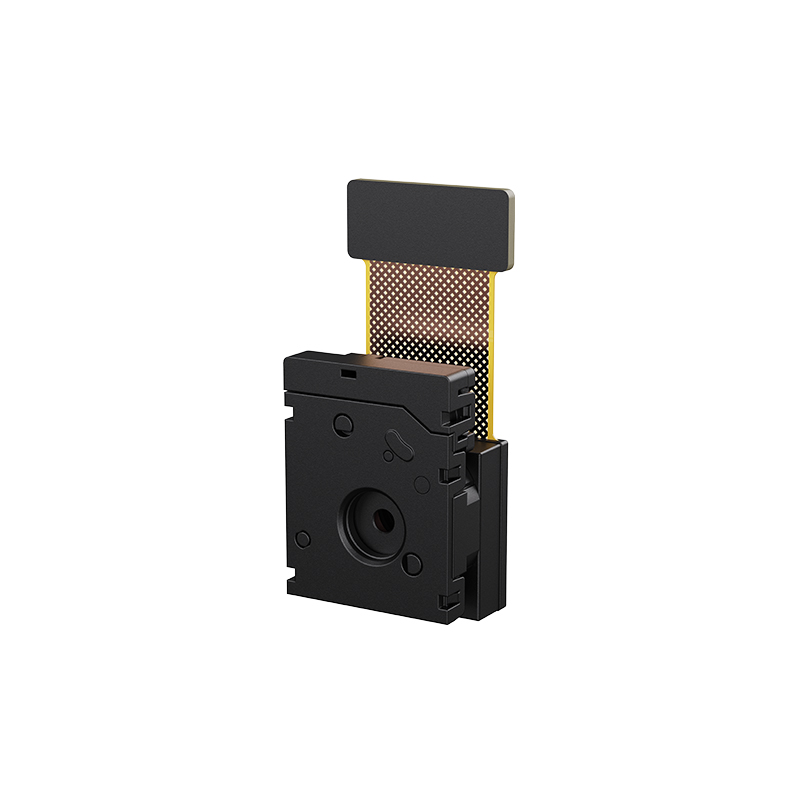
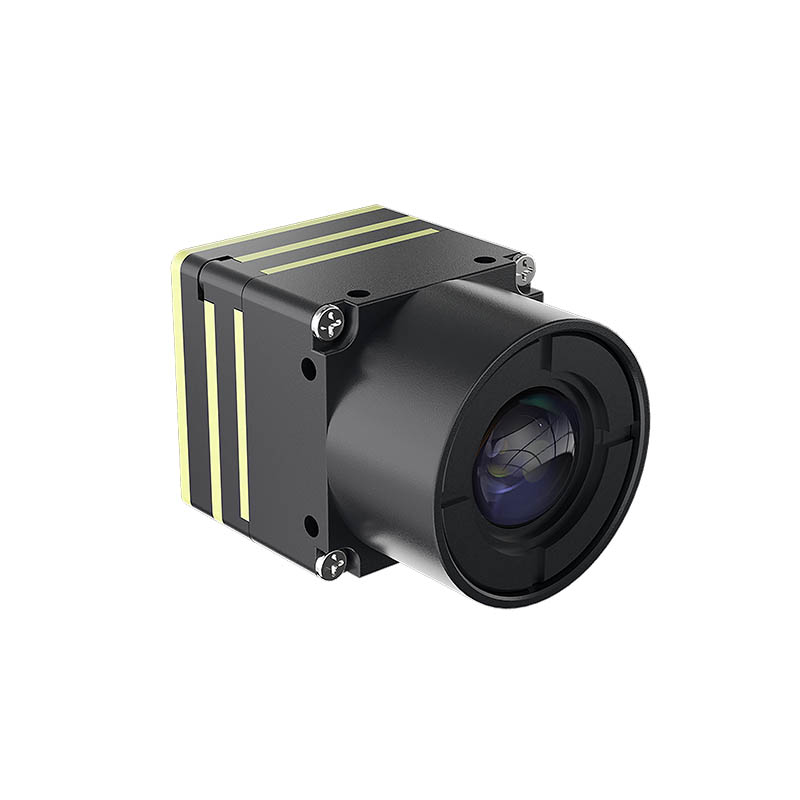
MEMS thermal sensors, or Micro-Electro-Mechanical Systems thermal sensors, are highly sophisticated devices designed to convert variations in temperature into electrical signals. These sensors have gained significant traction in various fields due to their compact size, accuracy, and versatility. Their applications span from consumer electronics to intricate medical devices, making them integral to modern technology. In particular, MEMS thermal sensors play a pivotal role in thermal imaging and thermography, enhancing our ability to visualize and measure heat distributions in diverse environments, including industrial settings, building diagnostics, and healthcare.

How MEMS Thermal Sensors Work
The operation of MEMS thermal sensors is based on fundamental principles of thermal conductivity and resistive temperature detection. These sensors typically consist of a sensing element made from materials that exhibit a change in resistance with temperature variations. When the temperature changes, the resistance of the sensing material alters, resulting in a measurable electrical signal.
This process allows for precise temperature readings even under dynamic conditions. The small size of MEMS technology not only facilitates rapid response times but also enables the sensors to be seamlessly integrated into various systems, which is a substantial advantage over traditional temperature sensors. The design of MEMS sensors ensures they can operate effectively in a range of environments, maintaining accuracy and reliability.

Applications in Thermal Imaging
In the field of thermal imaging, MEMS thermal sensors are crucial for capturing infrared radiation emitted by objects. This capability is particularly important for thermography, a technique that detects heat patterns and anomalies. Thermography is widely utilized in applications such as industrial inspections, where detecting equipment overheating can prevent failures, and in building diagnostics, where identifying heat loss can enhance energy efficiency.
Furthermore, in the medical field, MEMS thermal sensors are invaluable for diagnosing conditions based on temperature variations in the body. Their integration into thermal cameras enhances the sensitivity and resolution of these devices, making it possible to detect minute temperature differences that could indicate potential health issues. By improving image quality and measurement accuracy, MEMS sensors significantly enhance the effectiveness of thermal imaging in various applications.

Benefits of Using MEMS Thermal Sensors
One of the most significant benefits of MEMS thermal sensors is their precision. These sensors are capable of detecting temperature variations with remarkable accuracy, which is essential in applications such as medical diagnostics, where precise measurements can lead to better patient outcomes. The reliability and stability of MEMS thermal sensors also contribute to their widespread use in environmental monitoring, where accurate temperature data is critical for assessing climate change impacts.
Moreover, the miniaturized design of MEMS thermal sensors contributes to their cost-effectiveness. Their compact size allows for the development of smaller, more efficient devices that can be produced at lower costs, making them accessible for a wide range of applications. This affordability is particularly beneficial for industries looking to implement thermal imaging solutions without incurring prohibitive expenses.
The lightweight nature of MEMS sensors facilitates their integration into portable devices, enhancing usability and enabling a broader range of applications. For instance, handheld thermal cameras equipped with MEMS sensors allow for on-the-go inspections and diagnostics, making them indispensable tools for professionals in various fields.

MEMS thermal sensors represent a significant advancement in temperature measurement technology. Their ability to convert thermal energy into electrical signals efficiently enhances thermal imaging and thermography applications. As technology continues to evolve, MEMS thermal sensors are likely to become even more prevalent, driving innovations across multiple sectors and contributing to improved safety, efficiency, and diagnostic capabilities.
The future of MEMS thermal sensors is promising, with ongoing research focused on increasing their accuracy, reducing power consumption, and expanding their application range. As industries continue to recognize the value of precise thermal measurement, MEMS thermal sensors will undoubtedly play a vital role in shaping the future of technology and enhancing our understanding of thermal dynamics in various environments.