
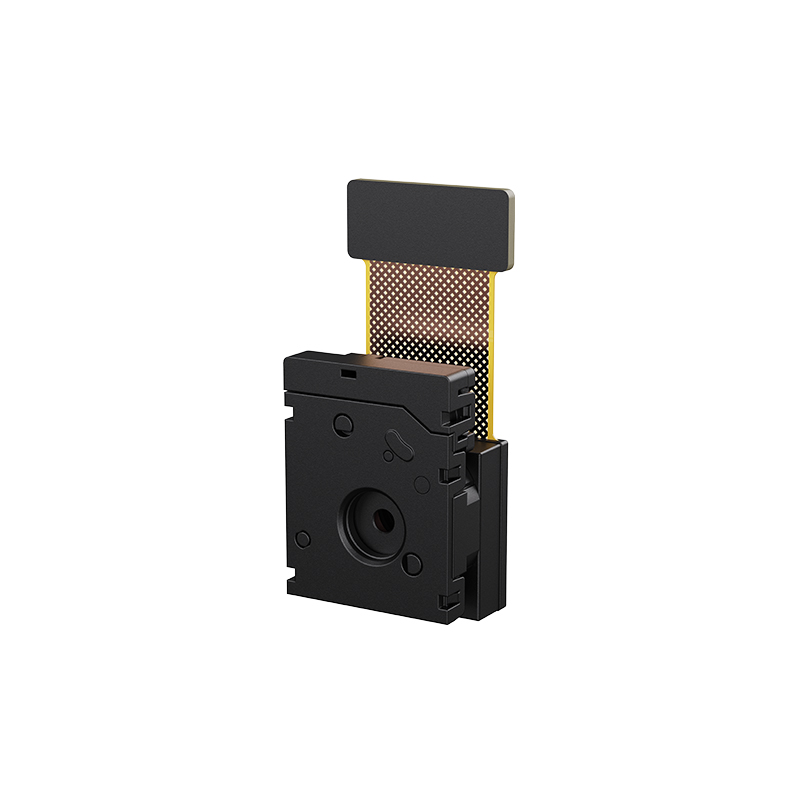
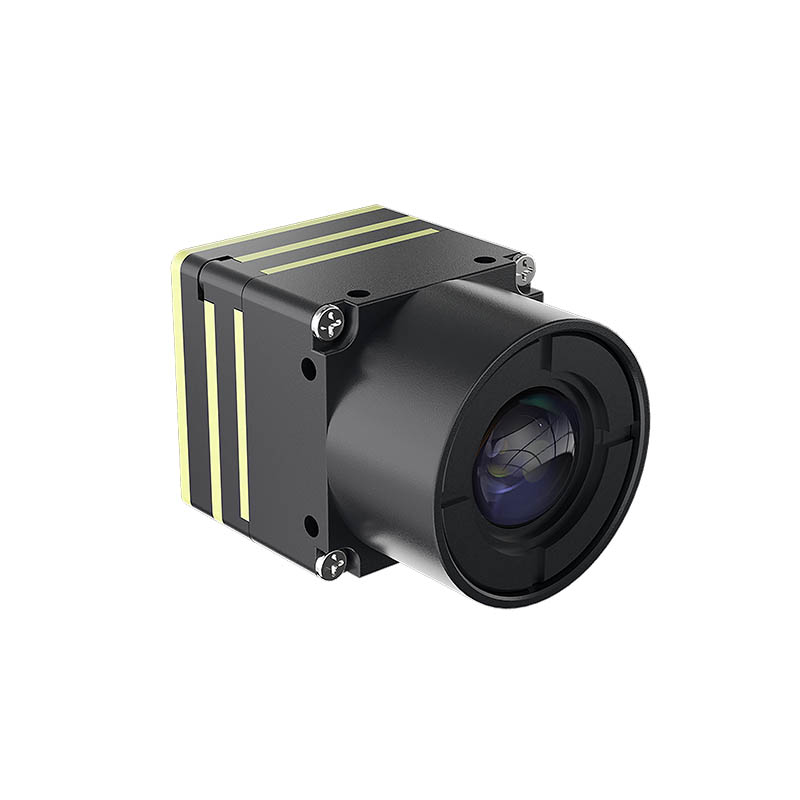
In the world of infrared imaging, different sensors capture various wavelengths of light that are invisible to the human eye but crucial for specific applications. Two important types of infrared sensors are LWIR (Long-Wave Infrared) and SWIR (Short-Wave Infrared). While both sensors are designed to detect infrared radiation, they function within different parts of the infrared spectrum, making them suitable for different uses.
What is an LWIR Camera Module?
An LWIR camera module is a type of infrared imaging device designed to detect thermal radiation within the long-wave infrared band. This spectrum typically ranges from 8 to 14 micrometers (μm). The key feature of an LWIR sensor is its ability to detect heat signatures, which makes it ideal for thermal imaging applications. Unlike visible light cameras that rely on ambient light or artificial lighting, long-wave infrared thermal cameras capture the heat emitted by objects, allowing them to function effectively in complete darkness.
In many scenarios, LWIR camera modules are used in security systems, firefighting, medical diagnostics, and even industrial inspections. For example, in security, an IR camera core with an LWIR sensor can detect intruders based on their body heat, even in low-visibility conditions like fog or smoke. The use of LWIR sensors in industrial applications allows for detecting overheating machinery or equipment, which could prevent potential accidents or malfunctions.

How LWIR Sensors Work
LWIR sensors function by capturing thermal radiation. Every object emits infrared radiation based on its temperature, with warmer objects emitting more. The LWIR camera module converts this radiation into an image, where the variations in temperature are represented as different shades or colors. This allows operators to visually assess temperature differences, identify heat leaks, or detect the presence of living beings in darkness.
Unlike other types of infrared sensors, long-wave infrared thermal cameras do not require external light sources. This makes them perfect for night vision, as well as scenarios where lighting conditions are challenging, such as smoke-filled environments or during foggy weather.

What is a SWIR Sensor?
On the other hand, SWIR (Short-Wave Infrared) sensors operate in the 0.9 to 1.7 micrometer (μm) wavelength range. Unlike LWIR sensors, SWIR sensors rely on reflected light rather than emitted thermal radiation. This means that SWIR cameras function more like traditional visible light cameras but with the ability to see through certain materials like fog, smoke, or even specific fabrics that block visible light.
SWIR sensors are often used in applications where detailed imaging is necessary, such as in semiconductor inspection, food sorting, and materials identification. For example, in quality control for food production, a SWIR sensor can detect moisture levels or contamination within produce that is not visible to the naked eye.

Key Differences Between LWIR and SWIR Sensors
Wavelength Range
The most fundamental difference between LWIR and SWIR sensors is the part of the infrared spectrum they detect. LWIR sensors capture long-wave infrared radiation, typically between 8 and 14 micrometers, while SWIR sensors operate within the short-wave infrared band, covering wavelengths from 0.9 to 1.7 micrometers.
Imaging Mechanism
LWIR camera modules detect thermal radiation emitted by objects based on their temperature, allowing them to create thermal images without any external light. SWIR cameras, however, require an external light source because they capture reflected infrared light, much like a standard camera does in the visible light spectrum.
Applications
LWIR sensors are primarily used for thermal imaging, such as in firefighting, search and rescue, and security surveillance, where detecting heat is crucial. SWIR sensors, by contrast, excel in high-resolution imaging tasks, especially in industrial settings like semiconductor inspection or medical imaging.
Penetration Through Materials
One key advantage of SWIR sensors is their ability to see through certain materials such as glass, plastics, and even smoke. This makes them invaluable in applications where transparency is necessary. LWIR sensors, however, cannot see through materials like glass but excel in detecting heat signatures, even in complete darkness.
Cost and Availability
Typically, SWIR sensors are more expensive than LWIR sensors, largely due to the more complex technology required for SWIR imaging. This cost difference often makes LWIR camera modules more accessible for widespread applications, particularly in thermal imaging for commercial use.
| Feature | LWIR Sensors | SWIR Sensors |
| Wavelength Range | 8-14 micrometers (Long-Wave Infrared) | 0.9-1.7 micrometers (Short-Wave Infrared) |
| Imaging Mechanism | Detects thermal radiation based on temperature; no external light needed | Requires external light source; captures reflected infrared light |
| Applications | Temperature measurement, firefighting, search and rescue, security monitoring… | Semiconductor inspection, medical imaging, quality control for food production… |
| Penetration Through Materials | Cannot see through materials like glass but good at see through darkness | Can see through glass, plastics, and even heavy smoke |
| Cost and Availability | Generally less expensive; more accessible | More expensive due to complex technology; less widespread |
Both LWIR camera modules and SWIR sensors play vital roles in infrared imaging, each serving different purposes based on their unique capabilities. While LWIR sensors are widely used in thermal detection and night vision applications, SWIR sensors provide high-resolution imaging with the ability to see through specific materials. Understanding the strengths and limitations of each type of infrared sensor can help determine which technology is best suited for a given application.
In industries ranging from security to industrial inspection, choosing the right infrared technology—whether long-wave infrared thermal cameras or short-wave infrared sensors—is critical to achieving optimal results. Ultimately, the choice between LWIR camera modules and SWIR sensors depends on the specific imaging needs of the task at hand.