
Thermal infrared cameras have revolutionized the way we perceive and analyze the world. These devices capture temperature variations invisible to the human eye, offering unique insights for a wide range of applications. In this blog, we’ll explore the fundamentals of thermal infrared cameras, their capabilities, and their versatile applications.
Understanding Thermal Infrared Cameras
A thermal infrared camera detects infrared radiation, which is emitted by all objects based on their temperature. Unlike standard cameras that rely on visible light, thermal cameras visualize heat patterns. These patterns are displayed as thermal images, often in a gradient of colors representing different temperatures.
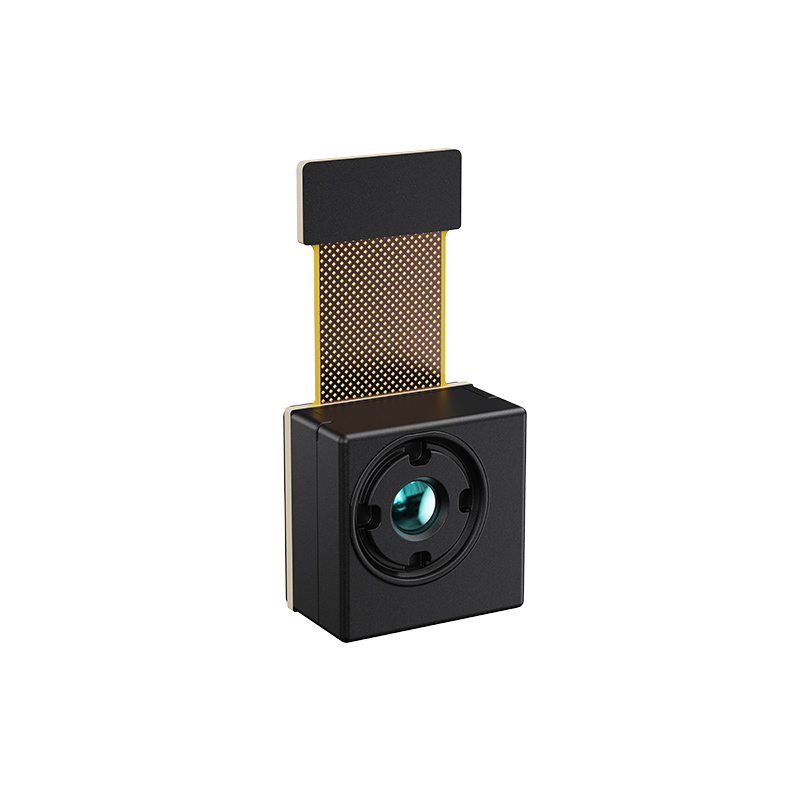
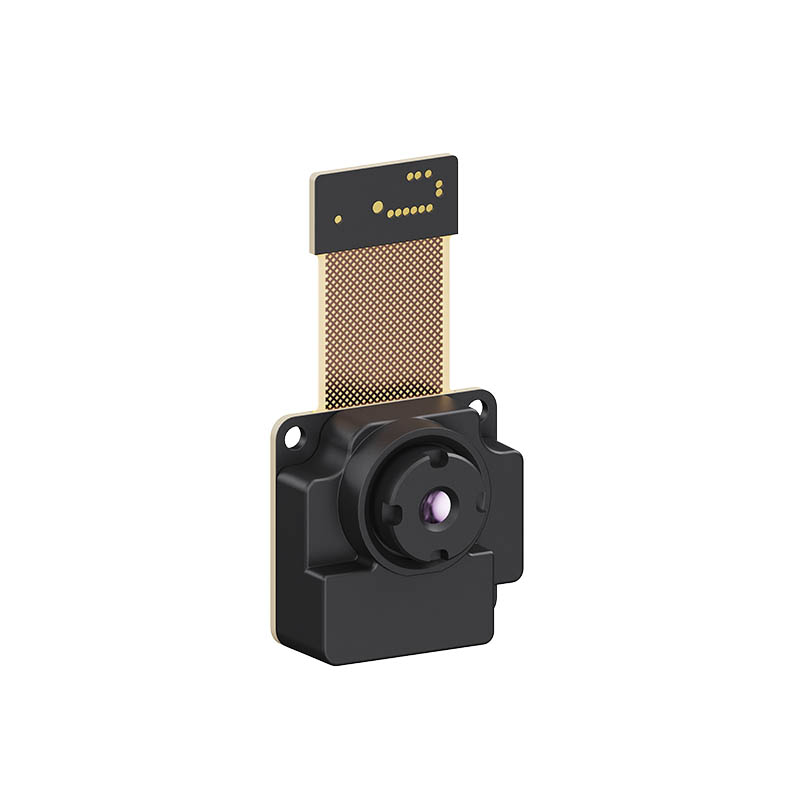
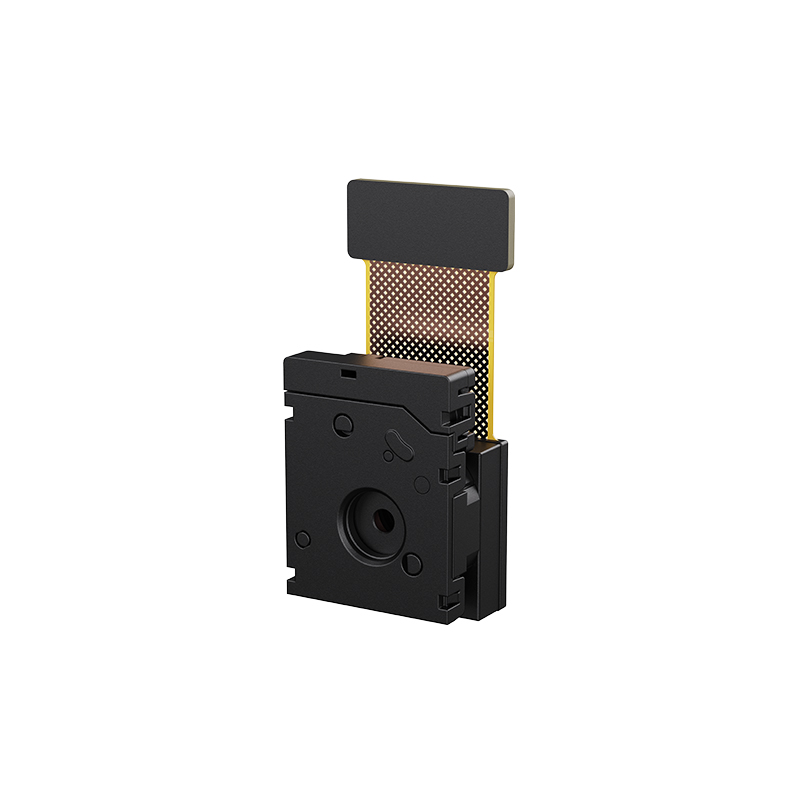
The core component of these cameras is the infrared thermal sensor, which converts infrared radiation into electrical signals for image processing. This sensor can be integrated into various types of thermal cameras, enabling flexible use across industries.
How Do Thermal Infrared Cameras Work?
Thermal cameras operate using a simple yet sophisticated process:
- Infrared Detection: Objects emit infrared radiation proportional to their temperature. Thermal infrared cameras detect this radiation using a specialized sensor.
- Signal Conversion: The sensor converts the captured infrared radiation into electrical signals.
- Image Generation: These signals are processed to create a visual representation of temperature differences.
- Display Output: The resulting thermal image is displayed on a screen, with distinct colors or shades indicating temperature variations.
The accuracy of thermal imaging depends on the quality of the infrared thermal sensor and the software processing the signals.
Applications of Thermal Infrared Cameras
Thermal infrared cameras are highly versatile, serving industries such as:
Building Inspection

Thermal cameras detect insulation gaps, air leaks, and moisture intrusion in buildings. They provide a non-invasive method for identifying structural issues and optimizing energy efficiency.
Electrical Maintenance

In electrical systems, thermal imaging identifies overheating components, loose connections, and other potential hazards. Early detection prevents costly downtime and enhances safety.
Medical Diagnosis
Infrared imaging is used in some medical diagnostics to detect abnormal temperature patterns in the human body. These patterns can signal issues like inflammation or circulatory problems.
Automotive Industry

In vehicles, thermal infrared cameras improve safety by offering enhanced night vision and detecting obstacles or animals on the road.
Environmental Monitoring

Thermal imaging helps track wildlife, detect pipeline leaks, and monitor industrial emissions. These capabilities support environmental conservation and regulatory compliance.
Advantages of Thermal Infrared Cameras
The benefits of thermal infrared cameras extend beyond their technical capabilities:
- Non-Invasive Analysis: They inspect objects without direct contact, ensuring safety and efficiency.
- Broad Compatibility: Infrared thermal sensors can be integrated into handheld devices, smartphone thermal cameras, or fixed systems, meeting diverse operational needs.
- Reliability in Various Conditions: Thermal cameras function effectively in complete darkness, smoky environments, or other challenging conditions.
Choosing the Right Thermal Infrared Camera
Selecting the right thermal infrared camera depends on your specific application. Factors such as resolution, sensitivity, and integration capabilities are critical. For example, high-resolution thermal cameras offer detailed imaging for precise analysis, while compact models are ideal for portable use. Infrared thermal sensors play a pivotal role in determining the camera’s performance. These sensors must provide accurate and consistent results across different environments.
The demand for thermal infrared cameras is growing as technology advances. Emerging applications include smart homes, autonomous vehicles, and advanced medical imaging. Continuous improvements in infrared thermal sensors ensure these cameras remain integral to innovation.
Thermal infrared cameras transform how industries address challenges, offering a unique view into the thermal properties of objects. Their applications range from ensuring safety and efficiency to supporting medical and environmental initiatives. With the versatility of infrared thermal sensors, these devices are becoming more accessible and adaptable to evolving needs.
Whether you’re optimizing energy use, diagnosing electrical issues, or advancing medical research, thermal infrared cameras provide an essential tool for modern problem-solving.
About Raytron Microelectronics
Raytron Microelectronics, a wholly-owned subsidiary of Raytron Technology Co., Ltd., is a leader in uncooled infrared thermal imaging. With full-stack capabilities from IC and MEMS sensor design to system integration, we deliver high-performance infrared solutions for industrial monitoring, wildfire prevention, outdoor night vision, consumer electronics, and intelligent sensing. Guided by our mission, “To Create Incremental Value for Customers with Technological Advancements”, we continue to drive innovation and empower smarter, safer, and more efficient systems worldwide.For more on the Raytron Microelectronics program, visit:https://www.raytron-microelectronics.com/contact-us