
In the realm of imaging technology, the advent of high-resolution thermal imaging cameras has marked a significant leap forward, offering unparalleled clarity and detail that can transform various industries. These cameras are not just tools for capturing images; they are sophisticated devices that provide critical insights and data, enabling professionals to make informed decisions in a multitude of applications.
Introduction to High-Resolution Thermal Camera Modules
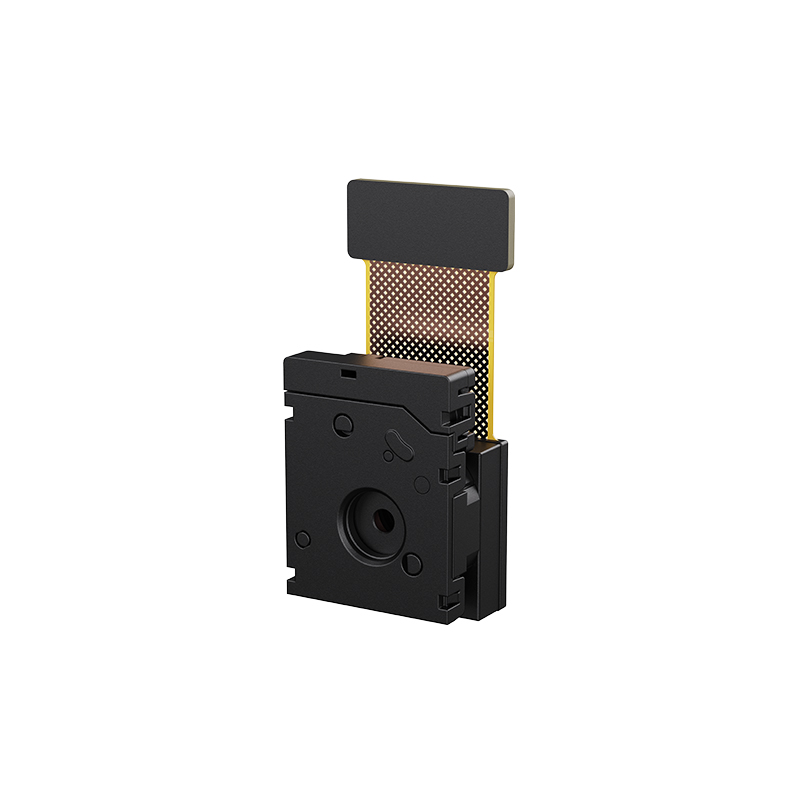
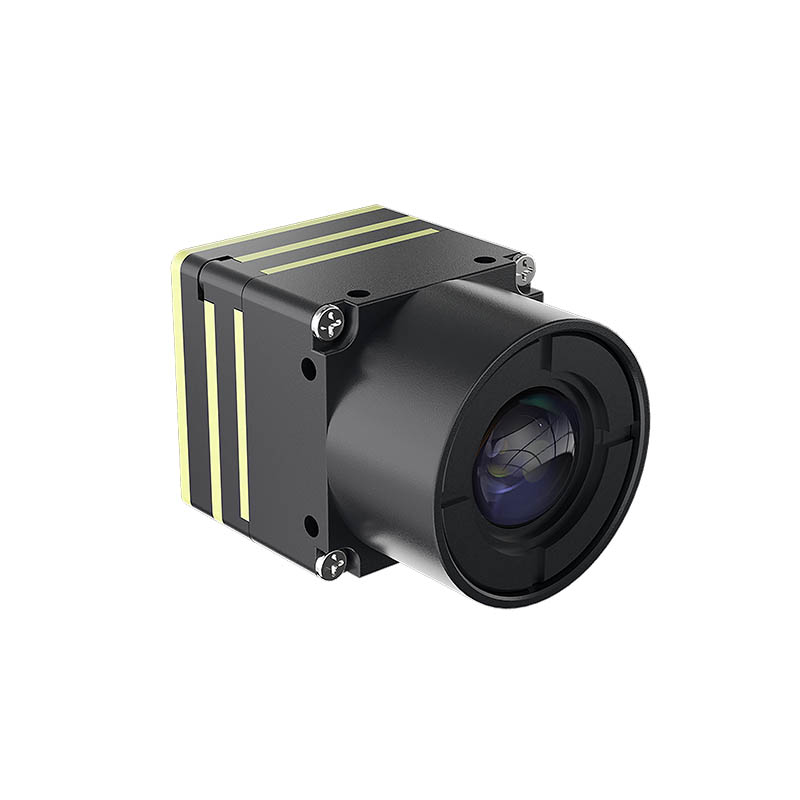
Thermal imaging, also known as thermography, is a technique that detects and measures thermal radiation emitted by objects. Unlike traditional cameras that capture visible light, thermal cameras detect heat signatures, allowing them to visualize temperature differences. The resolution of a thermal camera is a critical factor that determines the level of detail it can capture. A high-resolution thermal imaging camera offers a higher pixel count, which translates into more precise temperature measurements and clearer images. Raytron Microelectronics is a manufacturer of infrared thermal imaging modules and can provide high-resolution infrared thermal sensor modules, integrating them into a wide range of end devices for easy use in a variety of scenarios.

Key Features of High-Resolution Thermal Cameras
The capabilities of a high-resolution thermal camera extend beyond just imaging. Here are some of the key features that set these devices apart:
- Pixel Count: The number of pixels in a camera’s sensor directly affects the level of detail it can capture. A camera with a higher pixel count, such as a highest resolution thermal camera, provides more detailed thermal images, which is crucial for accurate diagnostics and analysis.
- Sensitivity and Temperature Range: High-resolution cameras often come with superior sensitivity, allowing them to detect even the slightest temperature variations. This, combined with a wide temperature range, makes them suitable for diverse applications.
- Image Processing: Advanced image processing capabilities enable these cameras to enhance the quality of thermal images, providing clearer and more useful data for analysis.

Applications of High-Resolution Thermal Cameras
The uses of high-resolution thermal cameras are vast and varied, spanning across different sectors:
Precision Diagnostics in Medicine
In the medical field, the precision offered by high-resolution thermal cameras is invaluable. They can detect minute temperature variations on the skin, which can be indicative of underlying conditions. For instance, these cameras can assist in the early detection of skin cancers or monitor blood flow in patients with vascular issues.

Advanced Monitoring and Security
For security purposes, high-resolution thermal cameras provide superior night vision capabilities, allowing for the detection of heat signatures even in complete darkness. This makes them ideal for perimeter security and intruder detection systems, where traditional cameras might fail.

Industrial Inspection and Maintenance
In industries, these cameras play a crucial role in predictive maintenance. By scanning equipment and machinery for hotspots, they can identify potential issues before they lead to breakdowns, thus saving time and resources. The high resolution of these cameras ensures that no detail is missed, making the maintenance process more effective.

Scientific Research and Environmental Monitoring
Researchers and environmental scientists also benefit from the use of high-resolution thermal cameras. They can track wildlife without disturbing their natural behaviors or study climate patterns by analyzing thermal signatures in the environment.

The integration of artificial intelligence and machine learning with thermal imaging technology is opening up new possibilities. These cameras are becoming smarter, with the ability to automatically detect anomalies and provide predictive insights. Additionally, the miniaturization of these modules is making them more portable and accessible for a wider range of applications.