
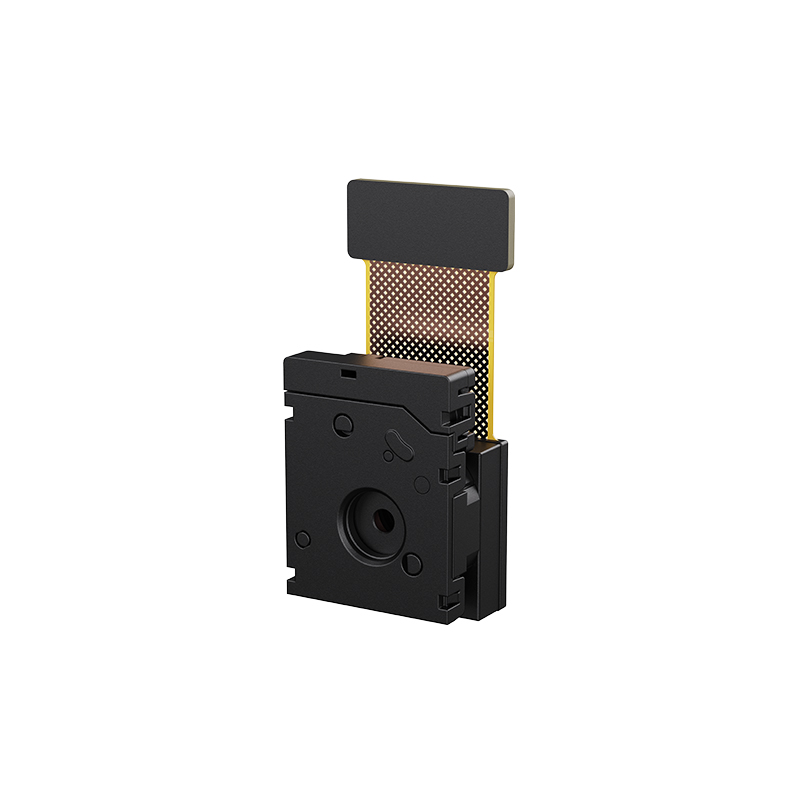
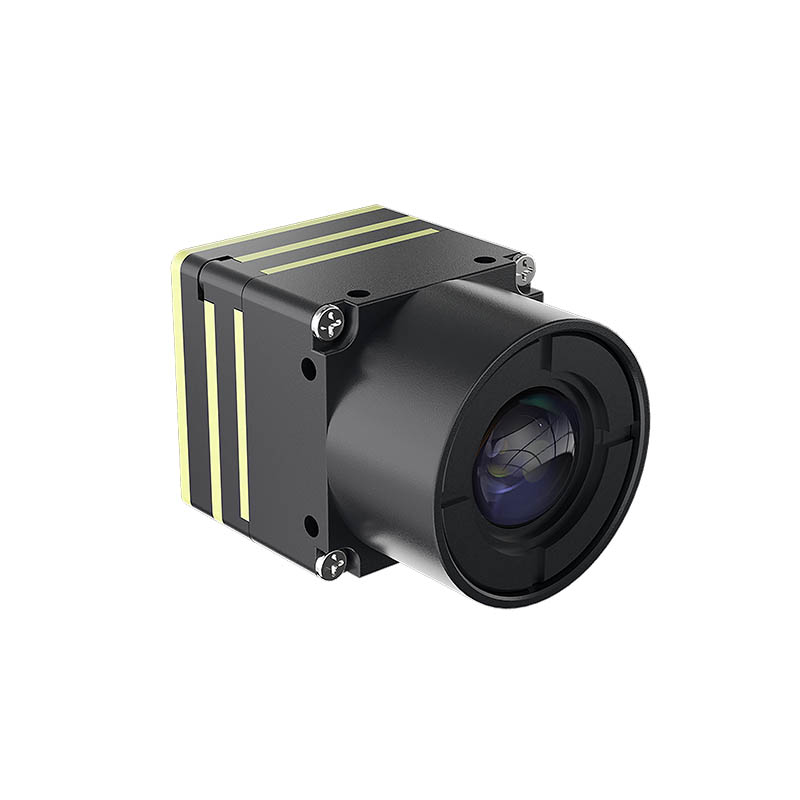
Infrared technology has revolutionized the way we perceive and interact with the world around us. From security systems to medical diagnostics, the applications of infrared imaging are vast and varied. At the heart of this technology lies the infrared camera core, a critical component that enables the capture of thermal images. This article delves into the realm of infrared camera cores, explaining what they are, their importance, and how to choose the right one for your specific needs.
Understanding Infrared Camera Cores
Infrared Camera Cores Defined
Infrared camera cores are the heart of any thermal imaging system. They are essentially the sensors that detect the infrared radiation emitted by objects and convert it into an electrical signal. This signal is then processed to create a visual representation of the temperature distribution across the scene.
Functionality and Importance
These camera cores are crucial for a variety of applications where temperature measurement and thermal imaging are essential. They allow for non-contact temperature measurement, which is invaluable in situations where direct contact could be dangerous or impractical.

The Role of HD Thermal Camera Cores
Enhanced Image Quality
HD thermal camera cores offer a higher resolution, providing more pixels per frame. This results in clearer images with finer details, making it easier to identify and analyze temperature variations.
Applications in Various Industries
The superior image quality of HD thermal camera cores has made them indispensable in industries such as:
- Building and Construction: For identifying heat loss, moisture issues, and energy efficiency improvements.
- Electrical and Utility: For detecting faults in electrical systems before they cause failures.
- Security and Monitoring: For providing high-resolution thermal images that enhance detection capabilities.

Key Features of IR Camera Cores
Resolution
The resolution of an IR camera core is a critical factor that determines the level of detail in the thermal images. Higher resolution allows for more precise temperature measurements and better diagnostic capabilities.
Spectral Range
Different IR camera cores are sensitive to different spectral ranges of infrared radiation. Choosing a core with the appropriate spectral range is essential for the specific application, whether it’s short-wave or long-wave infrared.
Thermal Sensitivity
Thermal sensitivity, also called NETD, often measured in degrees Celsius or Kelvin, indicates the smallest temperature difference that the camera core can detect. Higher sensitivity is crucial for applications that require fine temperature differentiation.
Field of View
The field of view of an IR camera core determines the area that can be captured in a single image. It’s an important consideration for applications that require wide-area monitoring or specific focus areas.

Choosing the Right Infrared Camera Core
Assessing Application Needs
The first step in choosing the right infrared camera core is to understand the specific requirements of your application. This includes the type of temperature measurement needed, the distance to the target, and the environmental conditions.
Considering Environmental Factors
The operating environment can greatly affect the performance of an infrared camera core. Factors such as temperature, humidity, and the presence of dust or smoke should be taken into account.
Budget Constraints
While it’s important to choose a high-quality camera core, it’s equally important to stay within budget. Balancing performance with cost is key to making a wise investment.
Integration and Compatibility
Ensure that the chosen IR camera core is compatible with existing systems or can be easily integrated into new setups. This includes considering factors such as size, interface, and power requirements.

Applications of Infrared Camera Cores
Building Inspection
Infrared camera cores are used to detect thermal bridges, insulation gaps, and moisture infiltration in buildings, helping to improve energy efficiency and structural integrity.
Electrical Maintenance
They are essential for predictive maintenance in electrical systems, allowing technicians to identify hotspots that could indicate potential failures.
Medical Diagnostics
In the medical field, infrared thermal imaging is used for non-invasive diagnostics, such as detecting inflammation, monitoring blood flow, and assessing healing processes.
Security and Monitoring
Infrared camera cores are used in security cameras to provide clear images in low-light conditions or complete darkness, enhancing surveillance capabilities.

Future of Infrared Camera Core Technology
Advancements in Sensor Technology
The future holds advancements in sensor technology, with improvements in resolution, sensitivity, and speed of image processing.
Integration with AI
The integration of artificial intelligence with infrared camera cores will enable smarter thermal imaging systems capable of automated analysis and predictive diagnostics.
Miniaturization and Cost Reduction
As technology progresses, we can expect infrared camera cores to become smaller, more affordable, and more widely accessible.

Infrared camera cores are a vital component of thermal imaging systems, offering a range of applications across various industries. By understanding the key features and choosing the right camera core based on specific needs, users can leverage this technology to its full potential. As the technology evolves, we can look forward to even greater capabilities and broader applications.
For those interested in harnessing the power of infrared thermal imaging, it’s time to explore the options available. Whether you’re looking to upgrade your current system or are new to the world of thermal imaging, seeking expert advice can provide valuable insights and ensure you make the best choice for your needs.