
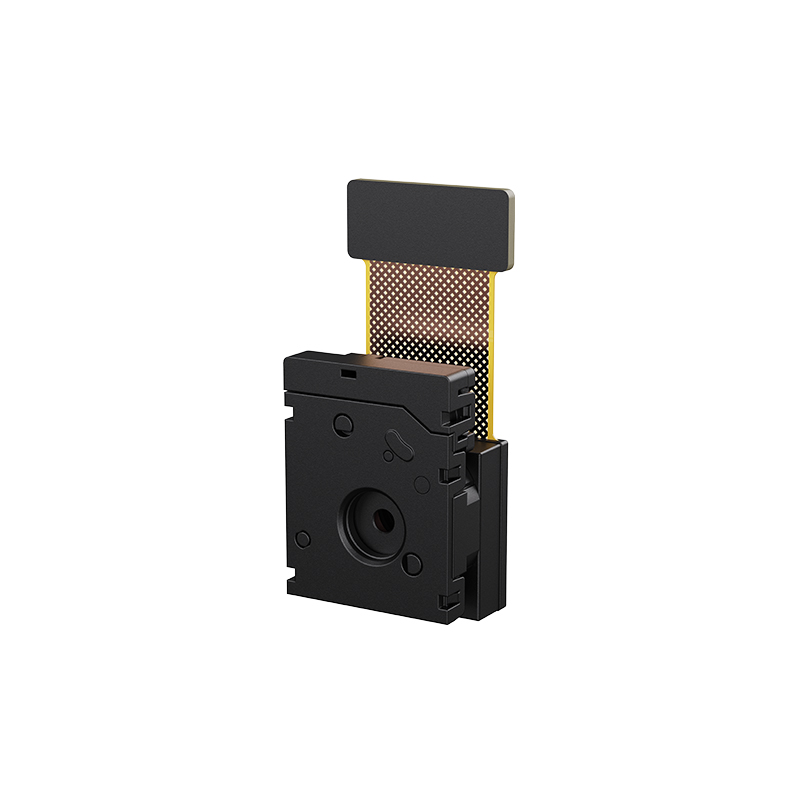
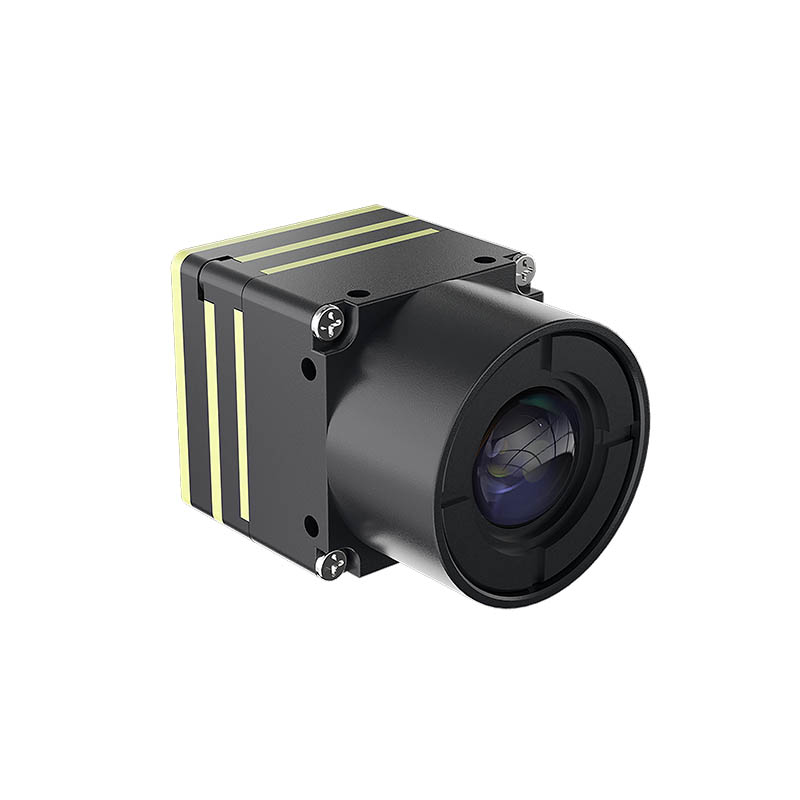
Thermography sensors play a crucial role in various fields, leveraging thermal imaging technology to detect and analyze heat patterns. This article explores the fundamentals of thermography sensors, their functionality, and their wide-ranging applications.
What Is a Thermography Sensor?
A thermography sensor is a device that captures thermal radiation emitted by objects and converts it into visual images or data. This technology allows users to visualize temperature variations, which can be critical in numerous applications. By detecting infrared radiation, these sensors enable non-invasive monitoring and analysis of thermal profiles.
Thermography sensors operate based on the principles of infrared radiation. Every object emits thermal energy based on its temperature, and thermography sensors can detect this radiation and create thermal images. These images, often referred to as thermograms, reveal temperature distribution across a surface, highlighting hot and cold areas.
How Do Thermography Sensors Work?
The working mechanism of a thermography sensor involves several key components:
- Infrared Detector: This component captures the infrared radiation emitted by objects.
- Optics: Lenses focus the infrared radiation onto the detector, enhancing image quality.
- Signal Processing Unit: This unit converts the detected infrared signals into a readable format, often displaying them as a thermal image.
- Display Screen: Users can visualize the thermal images on this screen, allowing for real-time analysis.
The output from a thermography sensor is essential for evaluating temperature differences, providing insights into various conditions that might not be visible to the naked eye.

Applications of Thermography Sensors
Thermography sensors are versatile tools used across multiple industries. Here are some notable applications:
- Medical Diagnostics: Thermographic sensors are increasingly utilized in medical settings to detect anomalies in body temperature. They can help identify issues like inflammation or tumors by visualizing heat patterns on the skin.
- Building Inspections: In the construction industry, thermography sensors are used for detecting heat loss, moisture intrusion, and structural issues. By analyzing thermal images, inspectors can identify areas needing repair or improvement, enhancing energy efficiency and safety.
- Electrical Maintenance: Electrical professionals employ thermography sensors to monitor the condition of electrical components. By detecting hotspots in wiring and equipment, they can prevent potential failures and enhance safety measures.
- Manufacturing Processes: In manufacturing, thermography sensors are used for quality control and process monitoring. They help ensure that products maintain the required temperature ranges during production, which is vital for product integrity.
- Environmental Monitoring: Thermography sensors assist in environmental studies by monitoring temperature changes in ecosystems. They can be used to track wildlife behavior, assess habitat conditions, and study climate change effects.

Benefits of Using Thermography Sensors
The advantages of thermography sensors are substantial:
- Non-Invasive Testing: These sensors provide a non-contact method for temperature measurement, making them safe for use in various applications.
- Real-Time Data: Users receive immediate feedback, enabling prompt decision-making based on thermal data.
- Preventive Maintenance: By identifying issues early, thermography sensors can prevent costly repairs and downtime in industrial settings.
- Improved Safety: Enhanced monitoring capabilities contribute to safer work environments by identifying potential hazards.
Thermography sensors are essential tools that leverage thermal imaging technology to provide valuable insights across numerous applications. From medical diagnostics to building inspections, their ability to visualize temperature differences makes them invaluable for preventive maintenance and safety. Understanding how these sensors work and their various uses can significantly enhance operational efficiency and safety in many fields.
By integrating thermography sensors into their operations, professionals can take proactive steps to address issues before they escalate, ultimately improving outcomes in healthcare, construction, and beyond. As technology continues to advance, the applications of thermography sensors are expected to expand, further solidifying their importance in modern industries.