
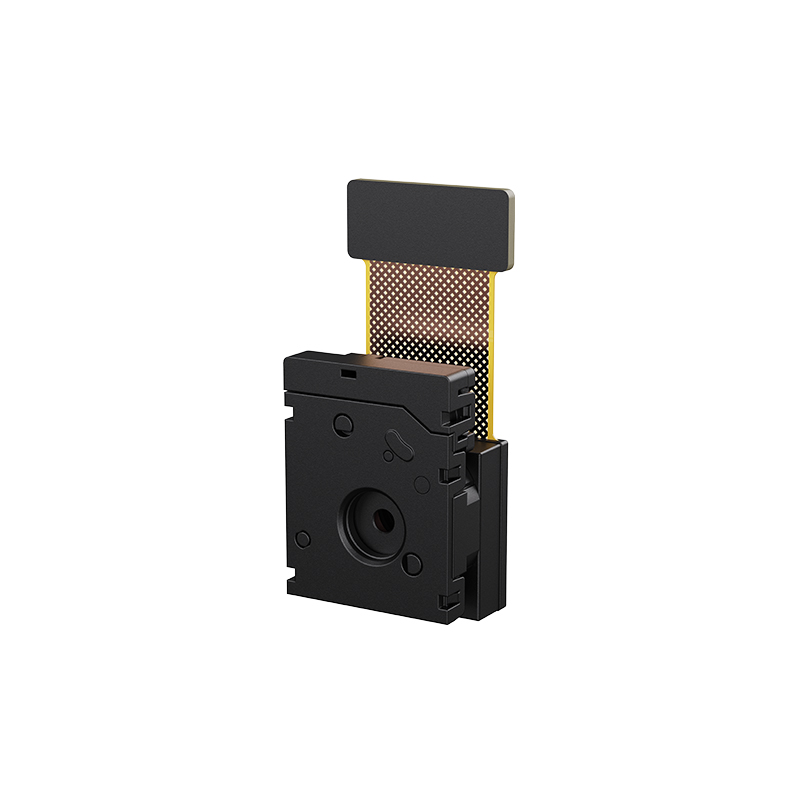
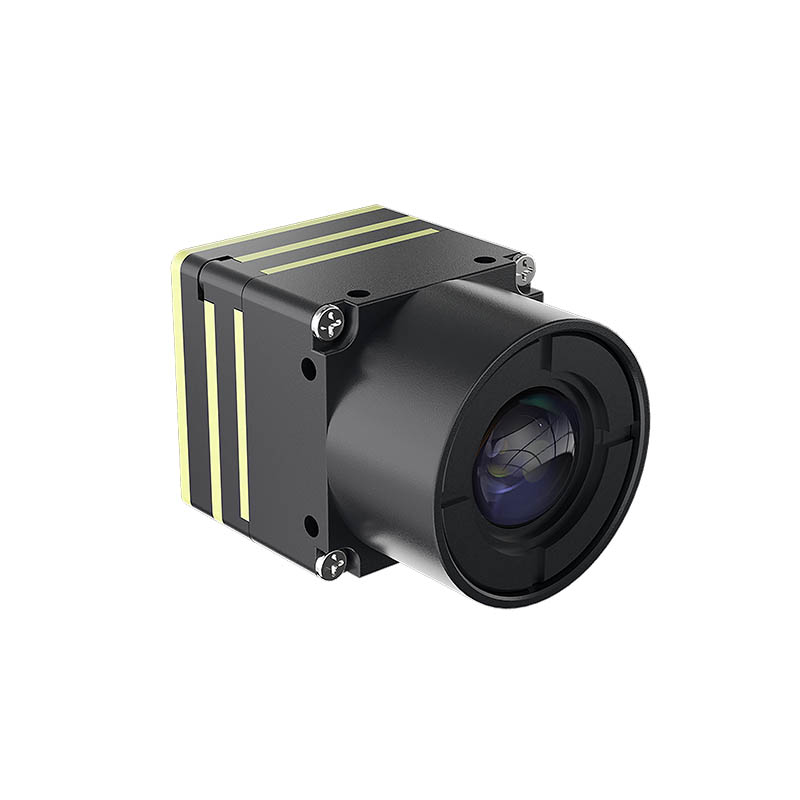
In recent years, thermal imaging cameras have seen widespread use in numerous industries. Thermal imaging technology has proven invaluable for detecting hidden issues, enhancing safety, and improving efficiency in various applications. In this article, we’ll explore the top reasons why thermal imaging cameras have become essential tools in many fields.
1. Enhanced Detection of Hidden Problems
One of the most significant benefits of thermal imaging cameras is their ability to detect hidden issues that may go unnoticed with conventional inspection tools. Thermal cameras capture infrared radiation emitted by objects, providing a clear view of temperature variations on surfaces. This is particularly useful for:
- Identifying electrical malfunctions: Faulty electrical components generate excessive heat before failure, which is visible on thermal cameras. By pinpointing hot spots, technicians can identify potential hazards early.
- Spotting leaks and insulation issues: In buildings, thermal imaging helps detect water leaks, air leaks, and insulation weaknesses by showing areas of temperature fluctuation, allowing for prompt repairs and energy efficiency improvements.
- Detecting mechanical wear: Friction in malfunctioning machinery produces heat, which can be visualized with thermal cameras. Early detection of worn or misaligned components reduces the risk of breakdowns and improves safety.

2. Improving Safety in Hazardous Environments
Thermal imaging cameras are invaluable in environments where direct human inspection could be hazardous. These devices allow for remote monitoring of equipment and surroundings, reducing the need for personnel to enter potentially dangerous areas. Thermal cameras are commonly used in:
- Electrical systems: Inspecting high-voltage systems can be risky. Thermal imaging allows technicians to inspect these systems from a safe distance, reducing the risk of electrical shock.
- Hazardous material handling: When dealing with chemicals or hazardous substances, thermal imaging can help ensure equipment is functioning correctly without exposing workers to dangerous conditions.
- Firefighting: Firefighters use thermal imaging cameras to navigate through smoke, locate trapped individuals, and monitor hotspots. These devices allow firefighters to assess risks in real time, improving both rescue operations and firefighter safety.

3. Supporting Predictive Maintenance
Predictive maintenance has become a critical approach in industries aiming to optimize efficiency and minimize downtime. Thermal imaging cameras play a pivotal role in this strategy by providing valuable insights into equipment health. Regular thermal inspections can identify small temperature changes that indicate early signs of mechanical or electrical failure. This helps maintenance teams address issues proactively, reducing the likelihood of unexpected shutdowns.
By using thermal cameras for predictive maintenance, companies can achieve the following:
- Extend equipment lifespan: Early identification and correction of issues prevent wear and tear, extending the life of machinery and equipment.
- Lower maintenance costs: Preventative repairs are often less costly than emergency repairs or replacements, saving money over time.
- Enhance productivity: By minimizing unscheduled downtime, companies can maintain continuous operations and avoid production delays.

4. Energy Efficiency Optimization
Energy efficiency is a priority for businesses and homeowners alike. Thermal imaging cameras are instrumental in identifying areas where energy is wasted, helping users implement targeted improvements. Examples of energy-saving applications include:
- Identifying insulation weaknesses: Poor insulation allows heat to escape during winter or enter during summer, increasing energy consumption. Thermal imaging quickly identifies these problem areas, enabling effective insulation improvements.
- Detecting HVAC inefficiencies: Heating, ventilation, and air conditioning (HVAC) systems are among the largest energy consumers. Thermal cameras can locate leaks or blockages in HVAC systems, allowing for timely repairs that improve overall efficiency.
- Solar panel inspection: In solar energy installations, thermal imaging identifies defective cells or wiring problems in solar panels, ensuring they operate at peak efficiency.

5. Environmental Monitoring and Conservation
Thermal imaging cameras also play an essential role in environmental monitoring and conservation efforts. Their ability to detect even minor temperature variations makes them useful in studying natural habitats and tracking wildlife.
- Wildlife tracking and conservation: In wildlife studies, thermal imaging cameras help monitor animal behavior and movement, especially at night. Conservationists use this data to develop strategies to protect endangered species.
- Detecting pollution sources: Thermal cameras identify heat emissions from factories, waste sites, and water bodies. By locating these sources of pollution, environmental agencies can take action to mitigate environmental damage.
- Forestry and agricultural management: Thermal imaging is used to detect forest fires in early stages and monitor crop health by identifying areas with unusual heat patterns, which could indicate disease or drought stress.

6. Non-Intrusive Medical Diagnostics
In healthcare, thermal imaging cameras are gaining traction as a non-intrusive diagnostic tool. They are especially valuable in detecting vascular issues, inflammatory conditions, and muscular disorders by visualizing heat patterns on the body’s surface. This technique is beneficial for:
- Early disease detection: Subtle temperature variations on the skin can reveal early signs of inflammation or circulatory issues.
- Rehabilitation monitoring: During physical therapy, thermal imaging assists in tracking recovery progress by observing temperature changes in the affected areas.
- Breast cancer screening: Some healthcare providers use thermal imaging as a supplemental tool for breast cancer screening, as it can detect abnormal heat patterns associated with tissue growth.

7. Versatility in Different Weather Conditions
Thermal imaging cameras are effective in a variety of weather conditions, including total darkness, fog, rain, and smoke. Unlike conventional cameras, which require visible light to produce an image, thermal cameras rely on infrared radiation. This makes them useful in outdoor applications, such as:
- Search and rescue operations: In low-visibility conditions, thermal imaging helps locate missing individuals by detecting their body heat.
- Marine and perimeter security: Security personnel can monitor large areas without relying on visible light, making it difficult for intruders to evade detection.

Thermal imaging cameras are versatile tools with applications that continue to expand as technology evolves. From enhancing safety and supporting predictive maintenance to advancing environmental conservation and medical diagnostics, these cameras play a critical role in modern industry and science. Their ability to reveal hidden issues and improve operational efficiency makes them invaluable across a range of fields.