
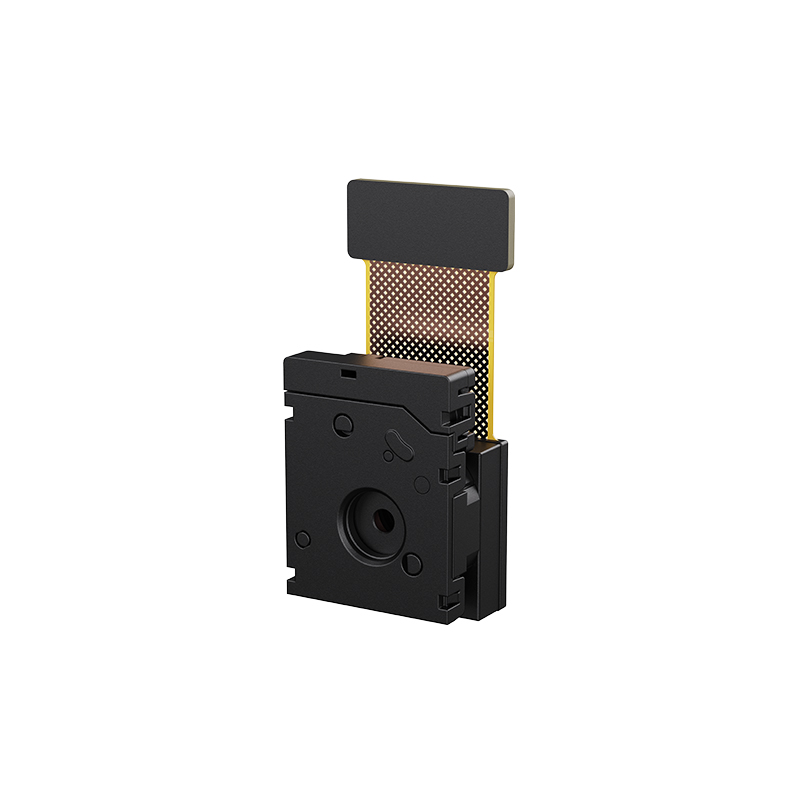
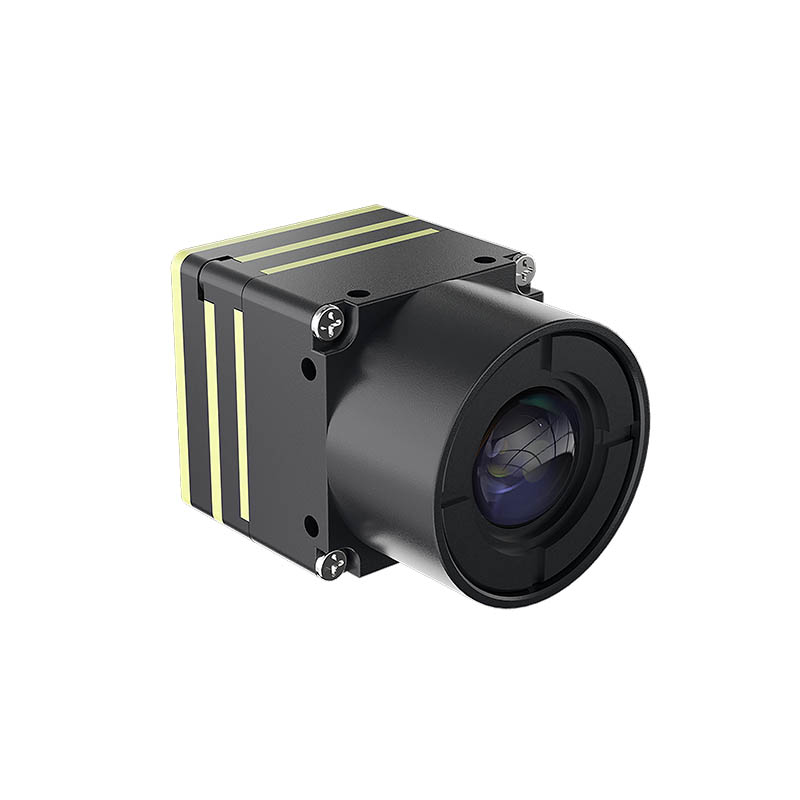
As electronics manufacturing develops towards high integration and high performance, infrared thermal sensors have become a core technology that ensures product reliability, performance, and longevity. Overheating not only leads to performance degradation but is also one of the primary causes of hardware failure. Infrared thermal modules provide non-contact, high-resolution and wide-field detection, making them essential for addressing these challenges. These sensors provide real-time insights into the heat distribution of electronic components in operation, helping engineers pinpoint defects and optimize heat dissipation strategies, thereby improving product quality and reliability from the start. Raytron Microelectronics, as a leader in infrared thermal imaging technology, provides advanced infrared thermal modules that play a pivotal role in improving efficiency and performance in electronics manufacturing, particularly in applications such as PCB thermal inspection.
What are the benefits of infrared thermal sensors in electronics manufacturing?
Printed circuit boards are the nerve center of electronic devices, and any localized hazard on them can be an early sign of potential failure. Traditional detection methods can only provide a limited number of points and are prone to missing hot spots. Infrared thermal camera modules can quickly obtain the temperature field distribution map of the entire PCB under working conditions through non-contact scanning and accurately locate abnormal heating points caused by short circuit, overload, cold solder joint, or component aging.
- Early warning: Identify thermal risks before they occur, avoiding costly field failures
- Improve inspection efficiency: A detection can be completed in seconds, significantly shortening the inspection time of the production line and replacing complicated manual inspections
- Guide design optimization: Quantify temperature distribution data to provide a scientific basis for improving PCB layout, line width design, and heat dissipation strategy
How does thermal imaging improve PCB inspection accuracy?
Another significant advantage of infrared thermal sensors is their powerful diagnostic and predictive capabilities. Many potential faults only manifest as slight thermal anomalies in the early stages, which cannot be detected by the naked eye but can be captured by highly sensitive infrared thermal sensors.
By leveraging high thermal resolution, non-contact scanning, and full-board coverage, thermal imaging cameras can significantly improve PCB thermal inspection. These capabilities allow precise detection of subtle temperature differences across the entire board, ensuring that even small hotspots caused by short circuits, cold solder joints, overloads, or component aging are accurately located. AI-powered thermal imaging can further enhance accuracy by automatically highlighting anomalies and reducing human error during inspection.
By analyzing these thermal anomalies, engineers can:
- Root cause analysis: Distinguish between a component defect, poor heat dissipation, or a design flaw
- Achieve predictive maintenance: Discover hidden dangers in advance during the laboratory testing phase to prevent problems from entering the market, reducing after-sales costs and brand risks
- Establish a quality benchmark: In high-volume manufacturing, infrared thermal images of good boards are archived, and subsequent products can be compared with the benchmark for rapid, automated quality screening
Why are infrared thermal modules important for predictive maintenance?
Power modules and surface-mount devices (SMD) are the focus and difficulty of thermal management. Power modules generate a large amount of heat during energy conversion, which is directly related to system efficiency and lifespan. Infrared thermal sensors and thermal imaging cameras play a vital role in predictive maintenance by continuously monitoring the real-time temperature of these components and detecting potential thermal anomalies before they cause failures. By providing high-resolution, non-contact thermal imaging, engineers can identify early signs of overheating, inefficient heat dissipation, or design flaws. This allows maintenance teams to proactively schedule inspections, replace or repair at-risk components, and prevent unexpected breakdowns, reducing downtime and improving electronics reliability.
Infrared thermal sensors provide significant benefits in these applications, including:
- Monitoring power module temperature: Directly monitor the real-time temperature distribution of the module under actual operating conditions, assess the performance of heat dissipation substrates and thermal pastes, and ensure it operates within safe temperature ranges to prevent breakdown due to overheating.
- Managing SMD thermal performance: By using infrared thermal sensors, precisely measure the tiny temperature gradients on SMD component surfaces, identify localized overheating caused by improper pad design, insufficient thermal vias, or heat interference from neighboring components, and optimize layout, selection, and cooling solutions.
By integrating infrared thermal modules into predictive maintenance programs, manufacturers can detect hidden thermal risks early, schedule maintenance proactively, extend component lifespan, and reduce overall operational costs.
Which industries use infrared thermal sensors beyond electronics?
While infrared thermal sensors are widely used in electronics manufacturing, their applications extend far beyond this industry. High-performance infrared thermal modules from Raytron Microelectronics are widely used across various industrial applications, providing businesses with enhanced reliability, greater efficiency, and improved safety.
Key industries include:
- ADAS: Infrared thermal sensors enhance driver assisted systems by detecting pedestrians, animals, and obstacles in low-visibility conditions, supporting safer driving.

- Security Monitoring: Infrared thermal sensors enhance night vision, can provide 24/7 monitoring capabilities, unaffected by lighting conditions, effectively identify the thermal features of humans or vehicles.

- Commercial Drones: Raytron Microelectronics’compact, high-resolution infrared thermal modules are integrated into UAVs and aircraft for real-time thermal monitoring, enhancing performance and safety in demanding environments.

Infrared thermal sensors have become indispensable tools across electronics manufacturing, ADAS, infrared thermal imaging modules for drones and other applications. They provide accurate, real-time thermal data that enhances product quality, ensures operational reliability, accelerates R&D, and enables lower system costs. In the future, with infrared thermal modules and AI cooperation, functions such as automatic defect recognition and intelligent thermal prediction will further enhance infrared thermal modules’ value, helping manufacturers create more reliable and efficient electronic products.
About Raytron Microelectronics
Raytron Microelectronics, a wholly-owned subsidiary of Raytron Technology Co., Ltd., is a leader in uncooled infrared thermal imaging. With full-stack capabilities from IC and MEMS sensor design to system integration, we deliver high-performance infrared solutions for industrial monitoring, wildfire prevention, outdoor night vision, consumer electronics, and intelligent sensing. Guided by our mission, “To Create Incremental Value for Customers with Technological Advancements”, we continue to drive innovation and empower smarter, safer, and more efficient systems worldwide.For more on the Raytron Microelectronics program, visit:https://www.raytron-microelectronics.com/contact-us