
Thermal imaging drones are rapidly becoming an essential technology for modern monitoring and inspection across multiple industries. By detecting infrared radiation and visualizing temperature differences invisible to the human eye, thermal drone monitoring enables fast, remote and non-contact identification of anomalies—supporting safer operations and more informed decision-making worldwide.
Compared with traditional manual inspections or visible-light imaging, thermal imaging drones offer clear advantages in operational safety, coverage efficiency, and early anomaly detection. As a result, they are increasingly adopted in building assessment, environmental monitoring, agriculture, urban infrastructure management and critical utility inspections.
How Thermal Drone Monitoring Works
Thermal drone monitoring relies on infrared thermal imaging modules to detect variations in surface thermal radiation. These variations are converted into visual thermal images, allowing operators to identify hotspots, temperature irregularities, and areas of heat loss in real time—without physical contact or equipment disassembly.
The effectiveness of thermal inspection depends largely on key factors such as thermal resolution, sensitivity, frame rate stability, and system reliability. High-performance thermal camera modules enable drones to detect subtle thermal anomalies even at extended distances or in complex environments, supporting a wide range of inspection and monitoring scenarios.
Optimizing Monitoring & Inspection with WN2 Series Thermal Modules
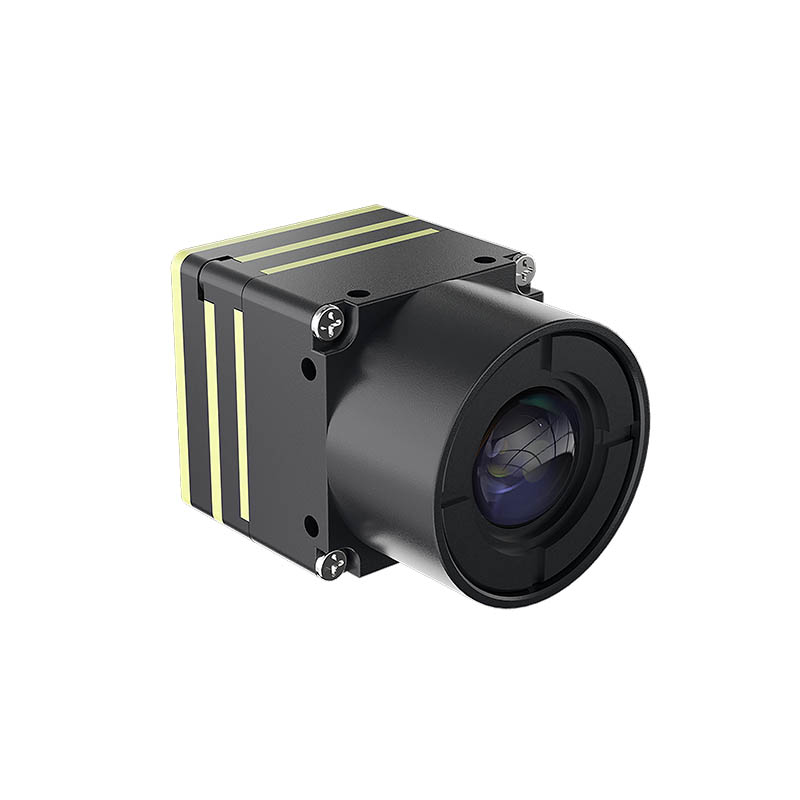
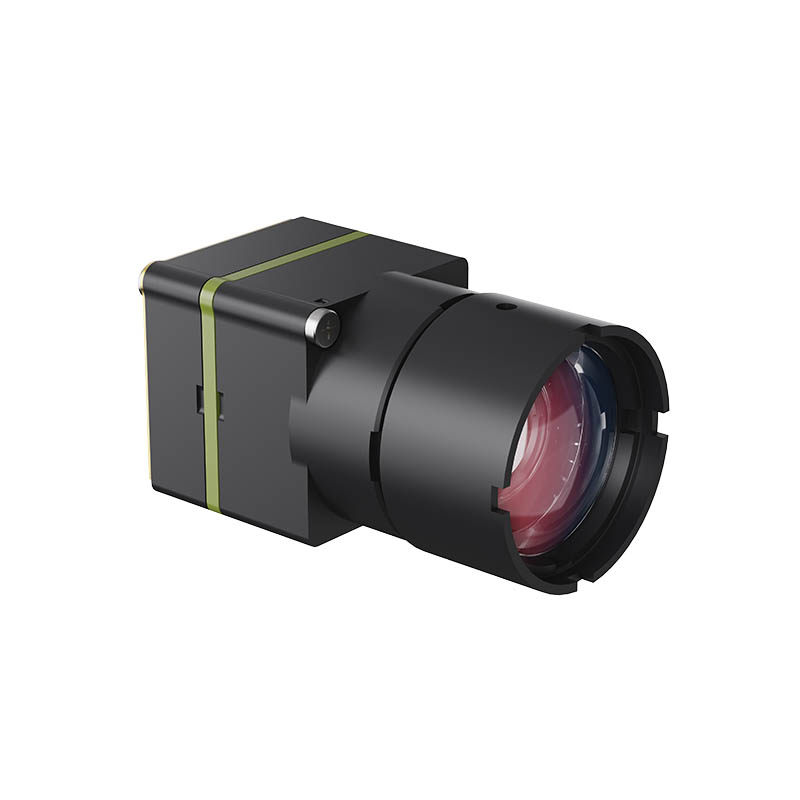
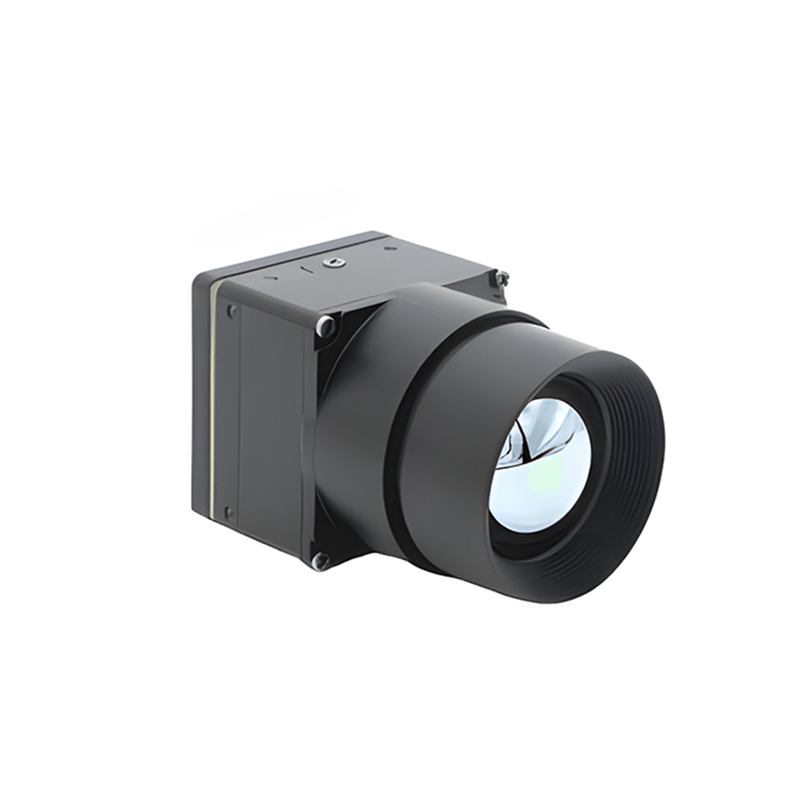
Advanced thermal modules, such as the WN2 Series, play a role in ensuring stable and reliable monitoring performance for commercial drones. Designed for seamless integration into commercial drone payload systems, the WN2 thermal imaging module combines compact size, low power consumption, and multi-interface compatibility to support long-duration and multi-scenario operations.
The WN2 Series supports multiple communication interfaces, including UART, I²C, and USB 2.0, enabling efficient integration with flight control systems and onboard computing units. This ensures real-time thermal video output as well as high-resolution thermal image capture for post-analysis and reporting.
Multiple resolution options—256×192, 384×288, and 640×512—provide flexibility to meet the requirements of different inspection environments and application needs.
Resolution 256×192/ 384×288/640×512
Pixel Pitch 12um
Detector Framerate 25/50Hz / 30/60Hz / 30/60Hz
Typical Power Consumption <0.35W /<0.42W / <0.7W
Weight (without lens) <9g
Dimensions (without lens) 21x21x10.3mm
6 Key Applications of Thermal Imaging Drones for Monitoring and Inspection
1. Building Inspections
Drone with thermal cameras are widely used to inspect roofs, façades, doors and windows for insulation defects, water intrusion, and structural irregularities. These hidden issues often manifest as abnormal temperature patterns and contribute to energy loss.
Thermal drones also support the detection of freezing risks, as well as potential overheating in electrical equipment—enabling early detection and predictive building maintenance.

2. Environmental monitoring
In environmental and ecological monitoring, thermal imaging drones are used to analyze river temperature variations, groundwater discharge and wetland ecosystems. Because groundwater typically maintains a stable temperature, thermal imagery can accurately identify upwelling and discharge zones.
Thermal drones are also well suited for geothermal surveys, mapping the thermal characteristics of hot springs, lakes, and geothermal regions to support environmental assessment, resource management and scientific research.
3. Agricultural Monitoring & Precision Management
In agriculture, thermal imaging drones monitor crop canopy temperature variations to identify water stress, disease pressure, and uneven growth across large fields.
These thermal insights provide farmers and agricultural service providers with actionable data to optimize irrigation, fertilization, and field management strategies—improving yields while reducing water and resource waste.
4. Urban Infrastructure and Operations Monitoring
Drones equipped with thermal modules enable data-driven energy retrofit decisions.During construction and maintenance phases, thermal drones can also assist in quality assessment of new buildings and in locating concealed infrastructure—enhancing safety, accuracy, and operational efficiency in urban infrastructure management.
5. Power Line Inspection
In power system inspections, drones equipped with thermal cameras are widely used for condition monitoring of transmission lines, substations, and distribution facilities. Through infrared thermal imaging, they can quickly identify abnormal temperature rises in conductors, connectors, insulators, transformers and switchgear without interrupting power supply. Such thermal anomalies are often early indicators of poor contact, aging components, or uneven load distribution.
Compared with traditional inspections, thermal drone inspection can efficiently cover complex terrain and high-risk areas, significantly improving inspection efficiency and personnel safety. By detecting potential faults in advance, power operators can effectively reduce the risk of unexpected outages, lower maintenance costs, and transition from scheduled maintenance to predictive maintenance.

6. Search and Rescue
In search and rescue (SAR) and emergency response operations, thermal imaging drones have become critical tools for rapidly locating heat sources in nighttime, low-visibility, or harsh environments.
Whether deployed in mountainous terrain, forests, water bodies, or post-disaster scenarios such as earthquakes and fires, drones equipped with thermal cameras can quickly identify signs of life based on temperature differences between the human body and the surrounding environment. Unlike visible-light imaging, thermal drone SAR operations are not affected by lighting conditions and can operate continuously in smoke, haze or low-light environments—significantly improving rescue efficiency and success rates.

Thermal imaging drones are becoming a key technological bridge between aerial platforms and multi-domain monitoring needs. By delivering intuitive information based on temperature differences, thermal drone monitoring provides an efficient, flexible, and low-impact solution for inspection and surveillance across fields such as building assessment, environmental monitoring, agriculture and urban management.
About Raytron Microelectronics
Raytron Microelectronics, a wholly-owned subsidiary of Raytron Technology Co., Ltd., is a leader in uncooled infrared thermal imaging. With full-stack capabilities from IC and MEMS sensor design to system integration, we deliver high-performance infrared solutions for industrial monitoring, wildfire prevention, outdoor night vision, consumer electronics, and intelligent sensing. Guided by our mission, “To Create Incremental Value for Customers with Technological Advancements”, we continue to drive innovation and empower smarter, safer, and more efficient systems worldwide.For more on the Raytron Microelectronics program, visit:https://www.raytron-microelectronics.com/contact-us