
In modern industrial manufacturing, high-precision processes are extremely sensitive to temperature variations. If companies are unable to monitor process temperatures and key parameters in real time, they face a high risk of product defects, equipment malfunctions, and even batch failures—all of which can lead to significant losses.
Industrial infrared thermal imaging modules offer an ideal solution for high-precision temperature monitoring and quality control. These thermal modules capture minute temperature changes in real time, enabling non-contact, accurate temperature measurements. They continuously monitor temperature fluctuations at solder joints, critical components, and material surfaces, promptly detecting localized overheating or deviations in the process. This helps companies enhance production efficiency, reduce energy consumption, and ensure products comply with the most stringent quality standards. Today, this technology is widely applied in areas such as semiconductor manufacturing, precision electronics assembly and new energy battery inspection.
What Are Infrared Thermal Modules
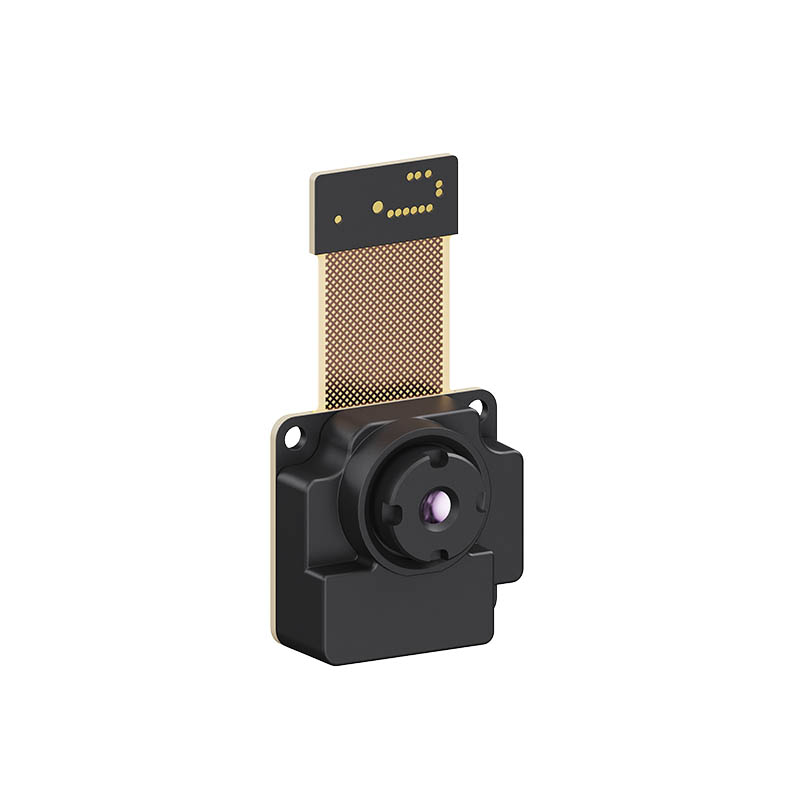
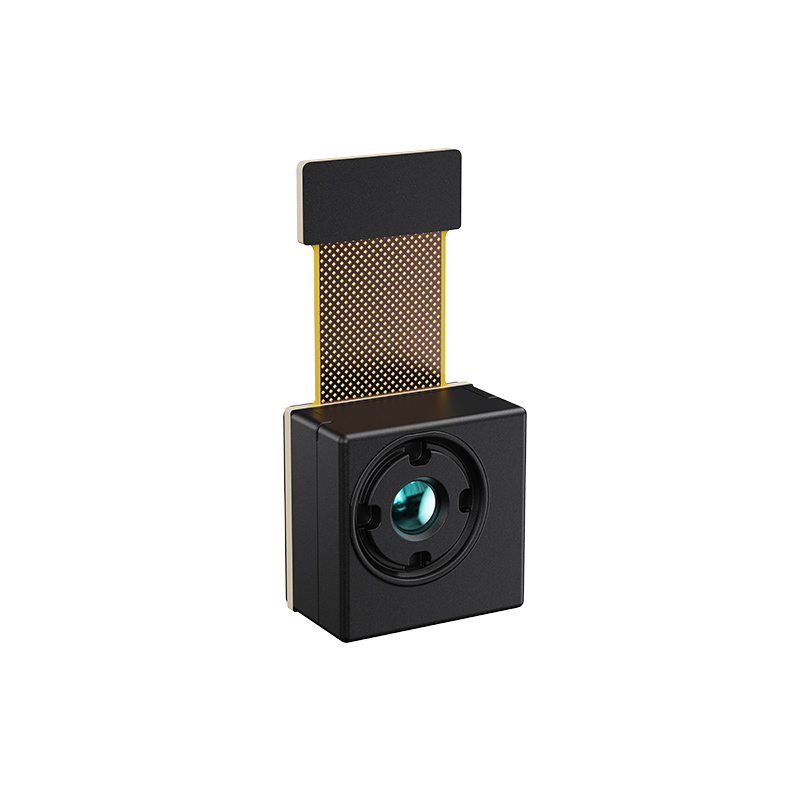
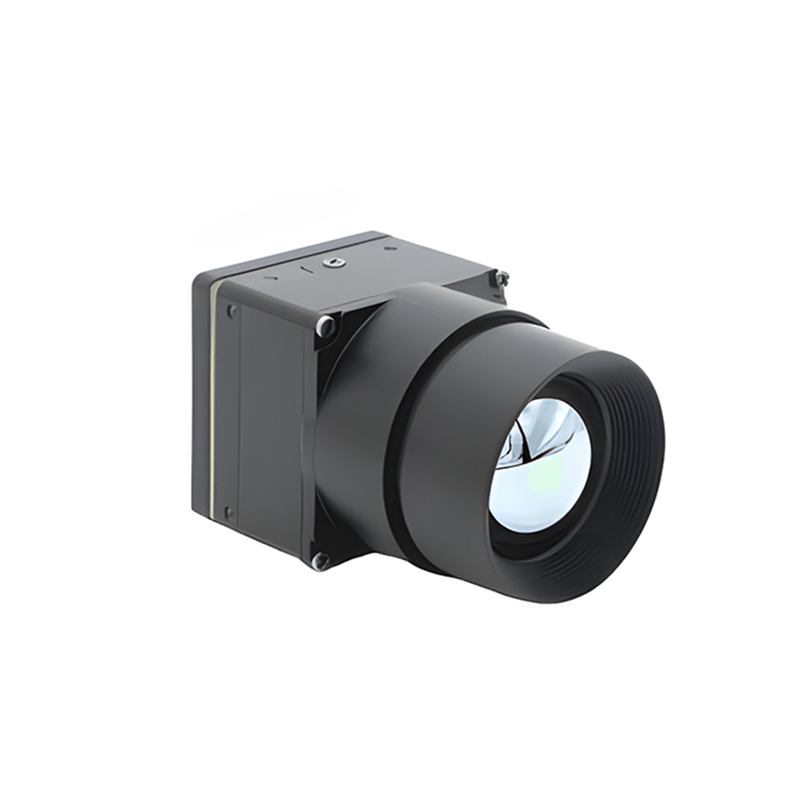
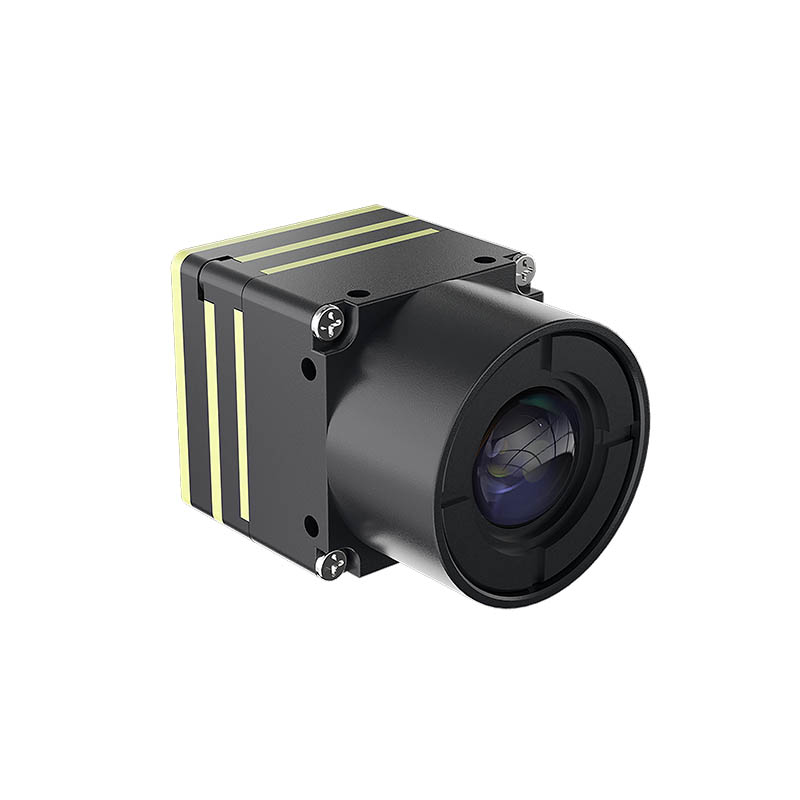
The thermal module is a core component that integrates an infrared detector and imaging system, capable of converting infrared radiation emitted by objects into visible thermal maps or precise temperature data. Its core technology is infrared thermal imaging, which utilizes the infrared radiation from objects to measure surface temperature and generate thermal images. With high resolution, high frame rate, and low noise characteristics, it accurately captures minute temperature fluctuations. In contrast, traditional temperature detection relies on contact-based thermal sensors or manual inspections, which offer limited measurement points and struggle to detect localized overheating or subtle temperature variations in real time.

What Is The Role of Infrared Thermal Modules in High-Precision Manufacturing
In high-precision manufacturing, temperature fluctuations can lead to defects and compromise product quality. TC-2 infrared thermal module is designed to deliver real-time thermal data, with specifications including ±2 °C accuracy and NETD values below 50 mK under standard conditions. These capabilities allow manufacturers to detect subtle thermal anomalies before compromising product quality. Infrared thermal modules ensure that every process remains within temperature control.
| Technical Specifications | TC2-C |
| Resolution | 256×192 |
| Pixel Pitch | 12μm |
| NETD | <50mK @25°C, F#1.0, 25Hz |
Key Advantages
- Enhanced Precision: High thermal sensitivity supports demanding processes such as microelectronics assembly and power module testing.
- Real-Time Monitoring: Provides actionable data for automated production lines, ensuring immediate corrective adjustments
- Non-Contact Measurement: Infrared thermal detectors enable continuous monitoring without disturbing delicate, hazardous, or high-speed moving parts (such as high-speed robotic arms).
By integrating infrared thermal modules into production workflows, manufacturers can not only safeguard quality but also optimize efficiency, reduce scrap rates, and accelerate time-to-market.
How Infrared Thermal Modules Improve Quality Control in Manufacturing
Quality control is critical in the manufacturing process. Infrared thermal modules can detect products with potential defects, thereby significantly improving product quality and ensuring that products meet the highest quality standards. In industrial inspection, thermal modules are particularly useful for identifying problems that are difficult to detect with the naked eye, such as overheating, poor welds, and thermal stress on components.
How infrared thermal Modules enhance quality control:
- Defect Detection: Infrared thermal modules can detect issues like hot spots or cold spots on production lines, which might indicate defects in the product.
- Temperature Monitoring: Continuous monitoring of temperature changes helps to maintain consistent product quality by identifying when production processes deviate from the temperature range.
- Preventive Maintenance: Thermal modules support predictive maintenance by identifying potential machinery malfunctions that could lead to temperature inconsistencies, enabling proactive maintenance to avoid costly downtime.
- Hot Spots and Cold Spots: These indicate localized overheating, poor soldering, or material inconsistencies.
- Internal Defects: Particularly in electronic components or photovoltaic modules, internal defects may affect performance.
- Thermal Stress and Anomalies: Used to monitor critical equipment or components to prevent failures.
Continuous temperature distribution monitoring with ITM enables real-time detection of deviations, ensuring processes meet strict quality standards. Research (ScienceDirect 2023; MDPI 2023) shows ITM integration lowers scrap rates, reduces downtime, speeds time-to-market, and upholds product consistency and reliability
What Are the Applications of Infrared Thermal Modules in Industrial Equipment Manufacturing Across Industries
Infrared thermal modules play a vital role in industrial equipment manufacturing, ensuring stable production processes, safe equipment operation, and end products that meet stringent performance standards. Below are some key applications across industries:
- Electronics Manufacturing: Thermal modules monitor circuit board temperature and ensure soldering quality in real time, preventing component overheating. When integrated with AI-driven analysis, they proactively identify anomalies, improve product yield, and reduce downtime.

- Automotive Manufacturing: These thermal modules are widely used for engine thermal management, battery temperature monitoring, and brake system testing. By tracking thermal distribution in exhaust and drivetrain systems, they help optimize cooling, extend component life, and ensure operational safety under extreme conditions.
- Heavy-Duty Industrial Equipment: In sectors such as steel and power generation, thermal modules enable continuous, non-contact temperature monitoring of blast furnaces, turbines, and transformers. They quickly detect internal hotspots to prevent failures and provide data that supports energy efficiency and intelligent maintenance.

Infrared thermal modules have become an indispensable quality control tool in high-precision manufacturing by providing real-time, accurate non-contact temperature monitoring. Thermal modules effectively identify temperature anomalies during production processes, prevent defect generation, reduce scrap rates, and enable predictive maintenance to significantly minimize unplanned downtime.
Across electronics manufacturing, the automotive industry, and heavy equipment sectors, thermal modules not only enhance process stability and product consistency but also provide crucial thermal data support for smart manufacturing systems. As industrial automation and quality requirements continue to escalate, infrared thermal imaging technology will persistently drive manufacturing processes toward zero-defect production, higher efficiency, and complete process control.
About Raytron Microelectronics
Raytron Microelectronics, a wholly-owned subsidiary of Raytron Technology Co., Ltd., is a leader in uncooled infrared thermal imaging. With full-stack capabilities from IC and MEMS sensor design to system integration, we deliver high-performance infrared solutions for industrial monitoring, wildfire prevention, outdoor night vision, consumer electronics, and intelligent sensing. Guided by our mission, “To Create Incremental Value for Customers with Technological Advancements”, we continue to drive innovation and empower smarter, safer, and more efficient systems worldwide.For more on the Raytron Microelectronics program, visit:https://www.raytron-microelectronics.com/contact-us