

In the realm of imaging technology, thermal cameras have emerged as a pivotal tool across various industries. From automotive to healthcare, these devices offer unparalleled insights by capturing heat signatures invisible to the naked eye. As we step into 2024, the demand for advanced thermal camera sensor modules has never been higher. This blog post delves into the most comprehensive solutions available, ensuring that you’re equipped with the latest technology to meet your imaging needs.
Key Features to Look for in Thermal Camera Modules
When selecting a thermal camera module, several key features must be considered to ensure optimal performance:
- Resolution: High resolutions, such as 640×512 or 384×288, provide detailed images, crucial for applications like surveillance and medical imaging.
- Spectral Range: A spectral range of 8~14μm is standard, capturing the essential thermal spectrum for most applications.
- Pixel Pitch: Smaller pixel pitches enhance image clarity, with 12μm being a common choice for high-resolution modules.
- Frame Rate: A higher frame rate, such as 50Hz or more, is essential for capturing dynamic scenes in real-time.

Top Thermal Camera Modules of 2024
MINI2 Series
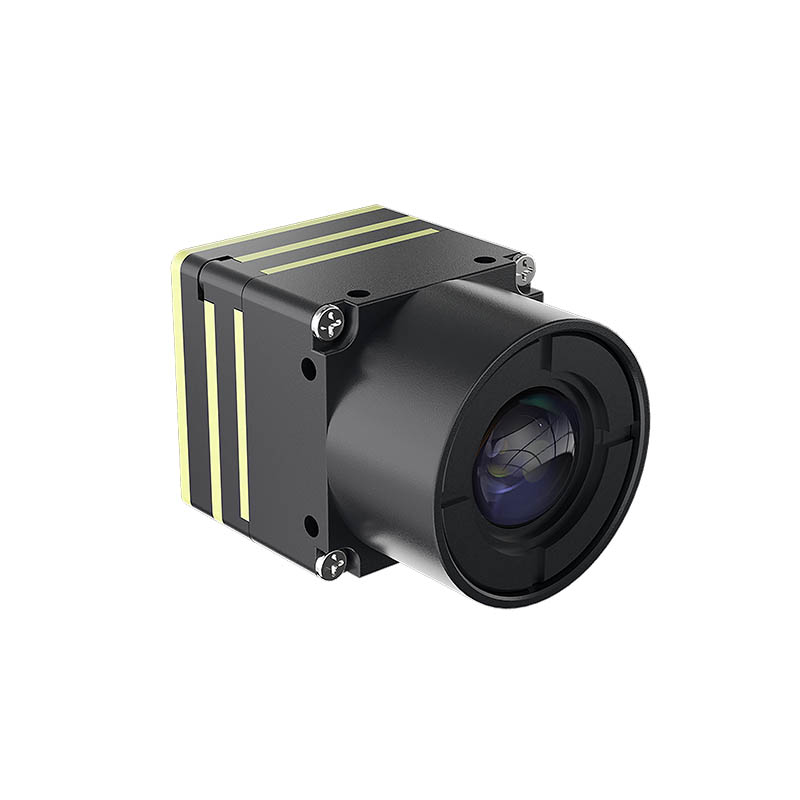
The MINI2 series thermal module stands out for its versatility, offering resolutions of 640×512, 384×288, and 256×192. Its shutter-less algorithm ensures clear images without the need for mechanical shutters, making it ideal for applications like UAV search and automotive night vision.
Tiny2-C Series
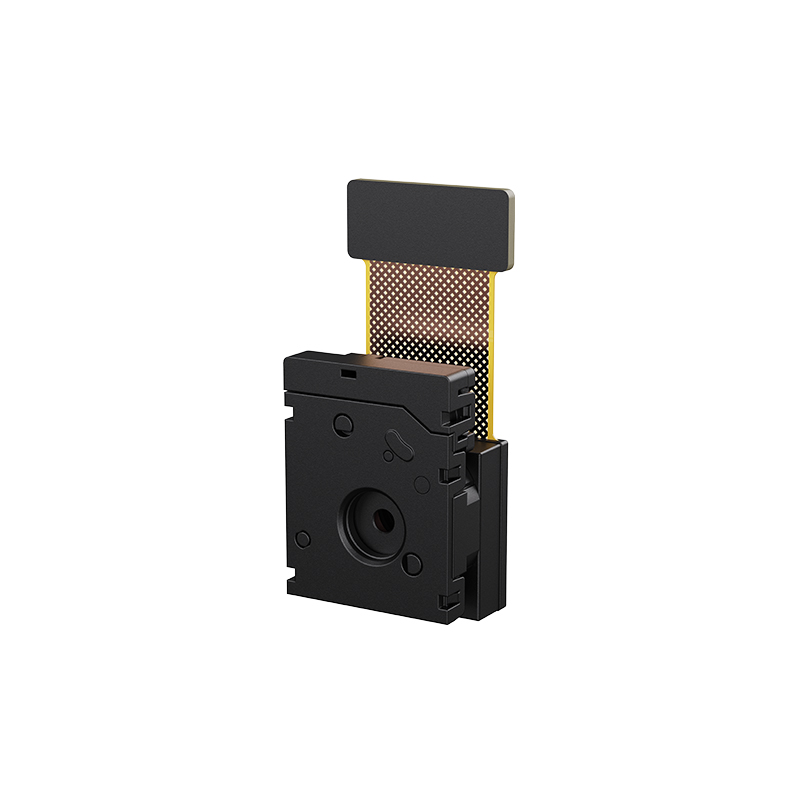
Built with the LY 300 chip, the Tiny2-C series thermal imaging module boasts excellent performance and low power consumption. Its compact size of 13mm×13mm×9.15mm and rich interfaces, including DVP, VOSPI, MIPI, and USB, make it a favorite for handheld terminals and security inspection devices.
Horus Series
Designed specifically for vehicle night vision systems, ADAS, and autonomous driving, the Horus series thermal camera for cars integrates a self-designed uncooled infrared detector and ISP chip. Its advanced image processing algorithms and shutter-less algorithm provide reliability and performance in demanding automotive applications.
G1280 Series
With a high resolution of 1280×1024, the G1280 series infrared imaging sensor module offers clear details in its images. Its ultra-low power consumption and compact size make it an excellent choice for applications like firefighting, enforcement and rescue, and city security.

Technical Specifications and Performance
A detailed comparison of the detector types reveals that uncooled VOx microbolometers are prevalent, offering a balance between performance and cost. The NETD (Noise Equivalent Temperature Difference) is a critical parameter, with values like ≤50mK@25℃, F#1.0 indicating high sensitivity.
Image processing capabilities, such as digital zoom, pseudo color, and scene-based non-uniformity correction, enhance the usability of these modules. Power supply and consumption are also crucial, with modules like the G1280 series offering power efficiency with a typical power consumption of <1W.

Challenges and Future Trends
While thermal imaging technology has advanced significantly, challenges remain. Future trends point towards further miniaturization, improved sensitivity, and integration with AI for enhanced image analysis. The potential impact of these advancements on sectors like security and healthcare is immense.
Choosing the right thermal camera module is crucial for maximizing the benefits of thermal imaging technology. As you explore the options in 2024, consider the resolution, spectral range, pixel pitch, and frame rate. Raytron Microelectronics, a subsidiary of Raytron technology Co., Ltd., focuses on infrared imaging technology and offers a range of solutions to meet diverse needs.