
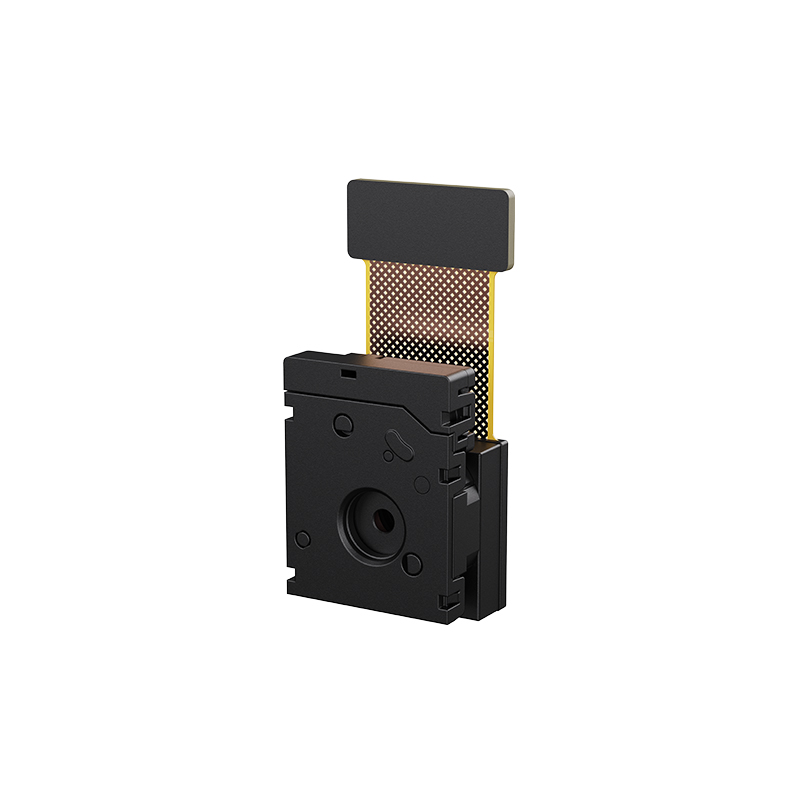
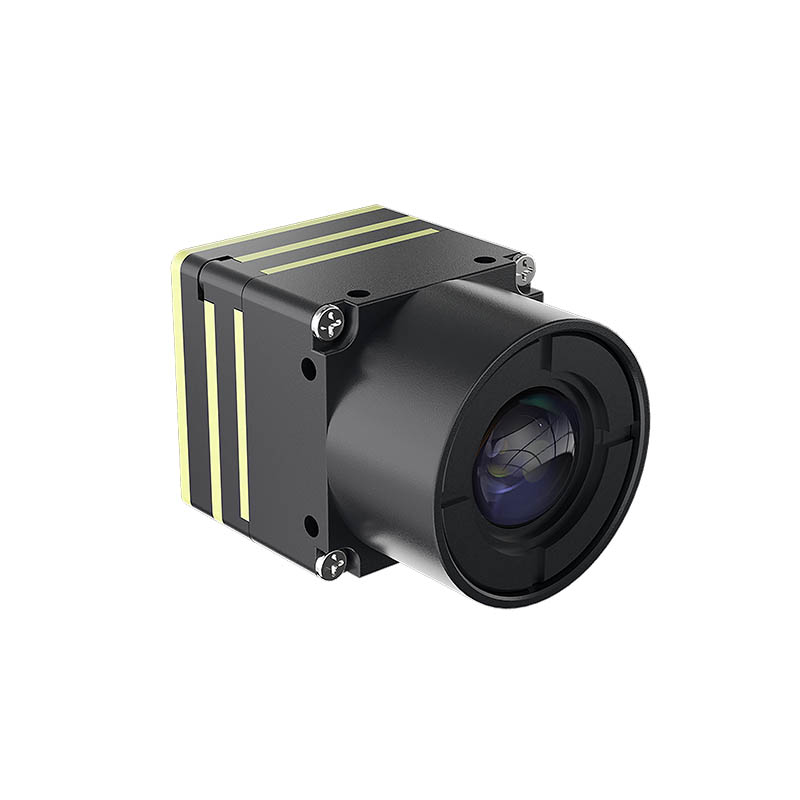
Thermal cameras are crucial tools that enable users to visualize temperature variations by detecting infrared radiation. These devices have found applications across diverse fields, including building inspections, medical diagnostics, and industrial monitoring. As technology advances, the market offers a range of thermal cameras from low-cost options to high-end thermal camera models, each catering to different needs. Understanding the distinctions between these two categories is essential for users to make informed purchasing decisions based on their specific requirements and budget constraints.
What is a Low Cost Thermal Camera?
Low cost thermal cameras are typically designed to provide essential thermal imaging functionalities at a significantly lower price point than their high-end counterparts. These cameras are ideal for hobbyists, DIY enthusiasts, and professionals seeking basic thermal imaging capabilities without a substantial financial investment. They are often marketed as entry-level solutions, making them appealing to users who may not require advanced features for their specific applications.
Key Features of Cost-Effective Thermal Cameras
Cost-effective thermal cameras offer several key features that make them suitable for basic applications. While they may not include the sophisticated technology of high-end models, they still provide valuable insights. Common features of these cameras include:
- Basic Thermal Resolution: Low cost models often feature lower resolution sensors, which can still effectively visualize heat patterns for general inspections.
- User-Friendly Interfaces: Many budget models prioritize ease of use, with intuitive controls and straightforward menus that simplify the user experience.
- Portability: Most low-cost thermal cameras are lightweight and easy to carry, making them ideal for on-site inspections.

Advantages of Low Cost Models
Low cost thermal cameras offer several advantages that make them appealing for various users:
- Affordability: The primary advantage is their price. These cameras allow a wider range of users to access thermal imaging technology, making it feasible for small businesses, contractors, and hobbyists to incorporate thermal analysis into their work without breaking the bank.
- Ease of Use: Many low cost models are designed with user-friendliness in mind. They often feature pre-set modes tailored for specific tasks, such as HVAC inspections or electrical system monitoring, enabling users with limited technical knowledge to operate the devices effectively.
Limitations of Low Cost Thermal Cameras
While low cost thermal cameras present valuable benefits, they also come with notable limitations:
- Image Quality: Users may find that the image quality of low cost models is inferior to that of high-end cameras. The lower resolution can lead to pixelated images, making it challenging to identify fine details in thermal images.
- Sensitivity: Low cost thermal cameras often have reduced sensitivity, limiting their ability to detect small temperature variations. This can be particularly problematic in applications that require high precision, such as detecting electrical faults or monitoring mechanical systems.
High-End Thermal Camera Models
High-end thermal cameras are equipped with advanced technology, including high definition thermal camera modules. These devices are designed for professional use, offering superior image quality and advanced features suited for demanding applications. Key characteristics include:
- Higher Resolution: High-end models often feature higher pixel counts, providing sharper images that reveal more detail. This is essential for tasks that require precise analysis, such as diagnosing electrical problems or inspecting insulation.
- Enhanced Sensitivity: These cameras are equipped with more sensitive sensors that can detect minute temperature differences. This capability makes them invaluable for applications in medical diagnostics, where even slight temperature variations can indicate significant health issues.

Comparing Performance
When comparing low cost thermal cameras to high-end models, several performance factors should be considered:
- Resolution: High-end thermal cameras provide superior resolution, resulting in clearer and more detailed images. This is particularly critical for professionals who need to analyze intricate heat patterns.
- Sensitivity: High-end models offer enhanced sensitivity, allowing for better detection of subtle temperature differences. This feature is vital in industries like construction and healthcare, where accuracy can have significant implications.
Cost-Effectiveness Analysis
Evaluating the cost-effectiveness of thermal cameras is crucial for making informed decisions. Low cost thermal cameras may suit casual users who need basic functionality, but professionals in fields like electrical inspection, HVAC, and medical diagnostics often require the reliability and precision of high-end models. Analyzing the total cost of ownership, including potential missed issues due to inferior imaging quality, can help determine which model offers the best long-term value.
Both low cost thermal cameras and high-end models serve distinct purposes in the thermal imaging landscape. Low cost options are suitable for basic tasks and budget-conscious users, while high-end models cater to professionals demanding advanced performance and precision. Users should assess their specific needs and budget to determine the most appropriate camera for their applications. By understanding the strengths and limitations of each option, users can make educated choices that align with their operational goals.