
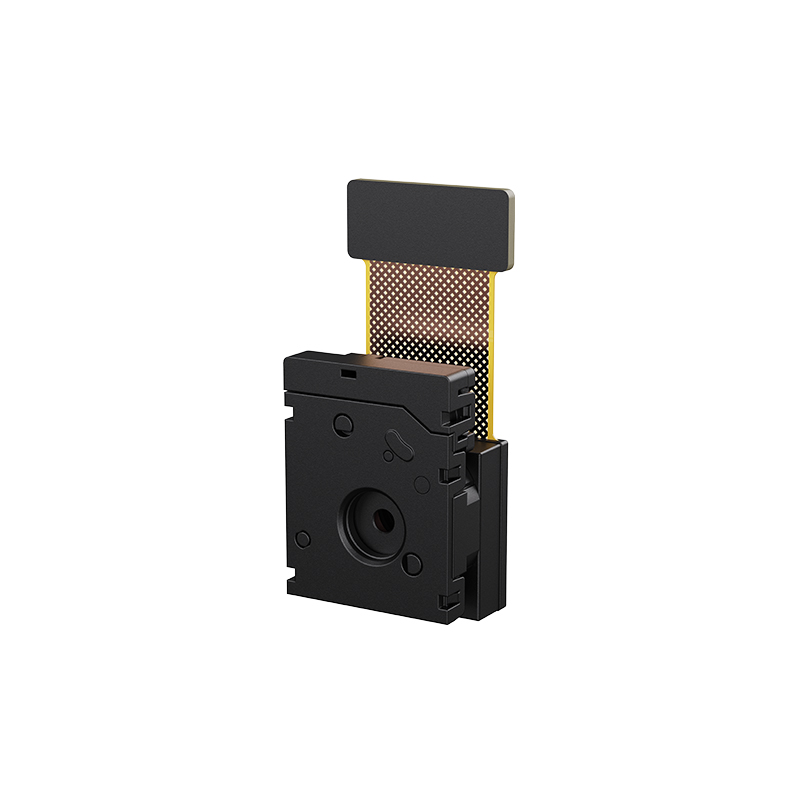
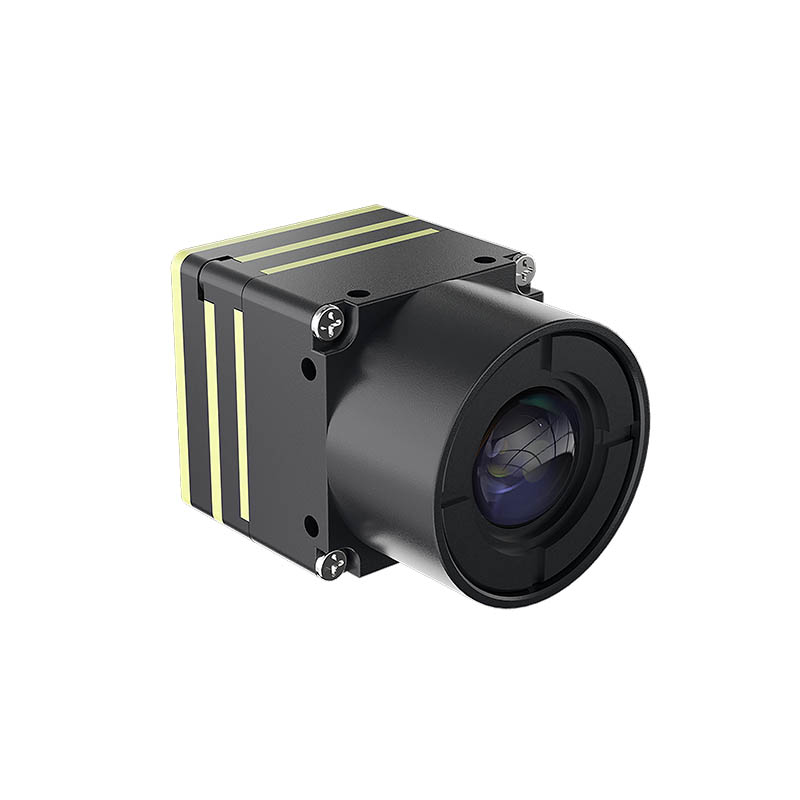
Long wave infrared (LWIR) technology refers to electromagnetic radiation with wavelengths typically ranging from 8 to 14 microns. This range of infrared radiation is particularly valuable in thermal imaging because it allows for accurate detection of heat signatures without interference from visible light. LWIR radiation is often used in thermal cameras due to its ability to detect subtle temperature variations in both natural and man-made objects.
How Long Wave Infrared Thermal Cameras Work
Long wave infrared thermal cameras function by capturing infrared radiation emitted by objects and converting it into images. Unlike other imaging technologies, LWIR does not rely on ambient light, making it highly effective for use in complete darkness or poor visibility conditions. The core component of these cameras is the sensor, which is sensitive to infrared radiation in the long wave range. This sensor detects thermal energy and translates it into visible images, where different temperatures appear in distinct colors or shades.

Applications of Long Wave Infrared Thermal Cameras
1. Building Inspections
Thermal cameras using long wave infrared technology are commonly employed in building inspections. They help detect issues like heat loss, moisture intrusion, and insulation failures. This non-invasive method allows inspectors to visualize areas that may need repair without damaging walls or surfaces.
2. Electrical Systems Monitoring
Electrical systems often suffer from overheating or energy inefficiencies that are not easily visible. Long wave infrared thermal cameras can detect hotspots in electrical components, such as transformers, circuit breakers, and wiring, helping to prevent potential failures or fires.

3. Industrial Maintenance
LWIR thermal cameras are invaluable for preventive maintenance in industries where equipment must operate efficiently. By detecting temperature variations in machinery, these cameras can identify worn-out components before they cause unplanned downtime.
4. Security and Monitoring
Another significant application of long wave infrared thermal cameras is in security and monitoring. These cameras can detect human and animal presence even in low-visibility environments, making them useful for factory security, wildlife monitoring, and perimeter monitoring at night.

Advantages of Long Wave Infrared Technology
Superior Heat Detection
Long wave infrared technology is particularly effective at detecting temperature differences, even at a distance. This makes it ideal for applications where precision is critical, such as in medical diagnostics or industrial maintenance.
Non-Invasive and Non-Destructive
One of the key advantages of using LWIR thermal cameras is their ability to provide insights without damaging the surface of objects being examined. This makes them perfect for fields where structural integrity is crucial, such as construction or art restoration.
High Accuracy in Low Light Conditions
Since LWIR cameras rely on thermal radiation rather than visible light, they can function effectively in environments with minimal or no lighting. This capability makes them indispensable in fields like enforcement, where operations often occur in low-visibility conditions.

Differences Between Long Wave Infrared and Other Infrared Bands
While LWIR is one of the most common infrared bands used in thermal imaging, it is not the only one. Other bands, such as mid-wave infrared (MWIR) and short-wave infrared (SWIR), offer different characteristics.
- MWIR (3-5 microns): MWIR is often used in applications requiring higher image clarity in challenging environments like fog or dust. It is more sensitive to temperature changes but may require cooling for optimal performance.
- SWIR (1-3 microns): SWIR can penetrate certain materials like smoke and fog, making it ideal for specialized applications. However, it is not as effective as LWIR in detecting subtle temperature differences.
LWIR’s ability to detect the finest heat variations without requiring additional cooling mechanisms makes it the preferred choice in many industrial and commercial applications.

Choosing the Right Long Wave Infrared Thermal Camera
When selecting a long wave infrared thermal camera, several factors must be considered to ensure it meets specific requirements. Some key considerations include:
- Resolution: Higher resolution cameras provide clearer thermal images, making it easier to identify issues.
- Sensitivity: The sensitivity of a thermal camera is crucial for detecting even the slightest temperature differences, which is essential for applications like medical diagnostics or electronic inspections.
- Field of View: A wide field of view allows the camera to cover more area, which is beneficial for large-scale inspections or surveillance.
- Durability: In industrial settings, thermal cameras must withstand harsh environments, so it’s important to choose one that is rugged and durable.
Long wave infrared thermal cameras are indispensable tools across various industries, from building inspection to security and industrial maintenance. Their ability to detect precise temperature differences in real time, without relying on ambient light, makes them valuable in diverse applications. Understanding how to choose the right thermal camera, based on resolution, sensitivity, and durability, ensures optimal performance for your specific needs.
Whether used for detecting electrical faults, monitoring industrial equipment, or providing security monitoring, long wave infrared technology continues to revolutionize the way we approach problem-solving through thermal imaging.