
When it comes to choosing a thermal camera, resolution is a key factor. But does a higher resolution really mean a better thermal camera? This blog explores the impact of resolution on thermal imaging, helping you understand when a higher resolution is beneficial—and when it might not be necessary.
Understanding Thermal Camera Resolution
In thermal imaging, resolution refers to the number of pixels in the image sensor that captures infrared (IR) radiation. These pixels convert the IR data into visible images, showing temperature variations across an object or scene. Similar to digital photography, higher resolution in thermal imaging provides finer detail, potentially enhancing image clarity and accuracy.
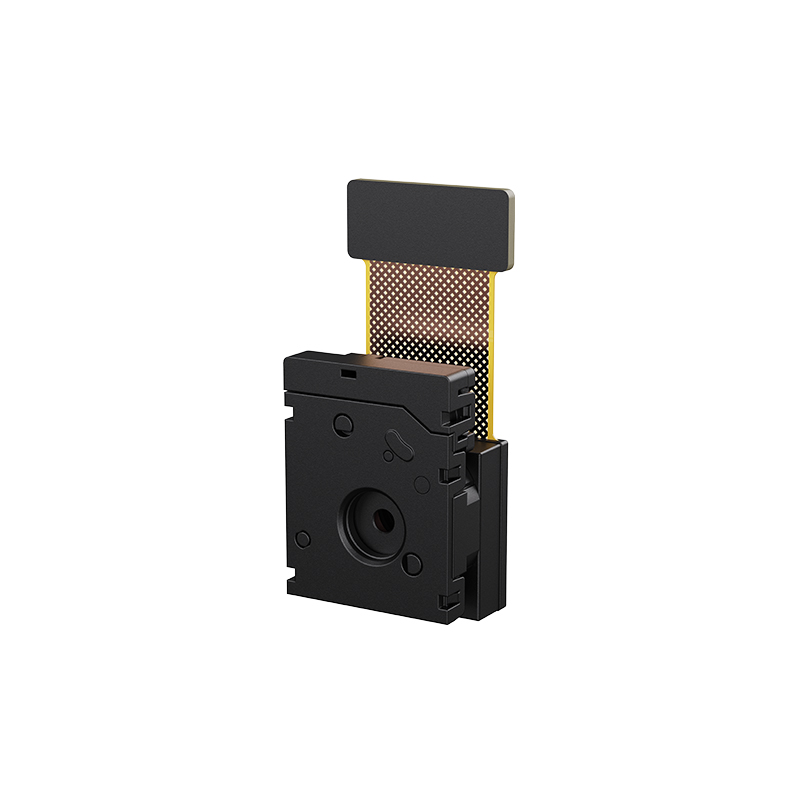
The most common resolutions in thermal cameras range from 80 x 60 pixels (basic models) to 640×512 pixels (advanced models). Some specialized cameras even offer resolutions exceeding 1280×1024 pixels, such as Raytron Microelectronics G 2 1280 ASIC thermal sensor module. Each resolution level affects performance, image quality, and cost in different ways.

Why Resolution Matters in Thermal Imaging
Resolution impacts how much detail a thermal camera can capture. A higher resolution allows the camera to pick up smaller temperature differences and capture finer details within a scene. For professionals who rely on precise imaging, such as those in building inspections, electrical inspections, or medical diagnostics, having higher resolution can be essential.
For example, in building inspection, a high-resolution thermal camera can detect minor insulation gaps, moisture intrusion, or electrical issues that might be missed by lower-resolution models. Higher resolution enables inspectors to pinpoint problem areas quickly and accurately.

Advantages of High-Resolution Thermal Cameras
Greater Detail and Clarity
Higher resolution cameras capture more data, resulting in images with clearer details. This capability allows users to distinguish between objects of similar temperatures, making it easier to identify potential problems.
Improved Accuracy
Thermal imaging relies on detecting small temperature variations. High-resolution thermal cameras can measure these differences more precisely, leading to better diagnostic accuracy. In sectors where accuracy is critical—such as medical diagnostics—this feature can greatly enhance performance.
Larger Field of View
High-resolution cameras often offer a wider field of view, which can cover larger areas in a single image. For applications like surveying large buildings or industrial sites, this feature reduces the need for multiple shots, streamlining inspections and data collection.
Enhanced Post-Processing Capabilities
Higher-resolution images provide more detail, which is valuable for post-processing and analysis. Professionals can zoom in on images without losing clarity, allowing them to review details after the fact. This capability can be useful for documentation, reporting, and further analysis.

When a Higher Resolution Isn’t Necessary
While high-resolution thermal cameras offer clear advantages, they are not always necessary. Depending on the application, a lower resolution may suffice. Here are some cases where a high-resolution camera may not be required:
Routine Maintenance Checks
For routine checks, a lower-resolution camera can still detect major temperature anomalies, leaks, or insulation issues. High resolution might be excessive for simpler applications like basic equipment maintenance or preliminary inspections.
Cost Constraints
High-resolution thermal cameras are typically more expensive. For those with budget limitations, a mid- or low-resolution camera may offer sufficient accuracy at a lower cost. Industries and businesses with lower risk factors or less stringent requirements can often work with lower resolutions.
Close-Range Applications
In close-range applications, where the subject is within a short distance, lower resolution can often provide sufficient detail. High-resolution cameras are most advantageous for inspecting large areas or distant objects. However, if the objects are close, lower resolutions might still yield effective results.
Basic Monitoring Needs
Some industries only require basic monitoring to track temperature changes over time, rather than detailed diagnostics. In these cases, high resolution may not add significant value, and a lower resolution can fulfill monitoring needs adequately.

Factors Beyond Resolution to Consider
Resolution is just one factor in selecting a thermal camera. When deciding, it’s also important to consider the following:
Thermal Sensitivity
Sensitivity determines the smallest temperature difference a camera can detect. Higher sensitivity allows for greater accuracy, regardless of resolution.
Lens Quality
A high-quality lens is critical for capturing clear images. Poor lens quality can reduce image clarity, even in high-resolution models.
Frame Rate
For moving subjects or time-sensitive applications, a higher frame rate is necessary. If your application involves dynamic targets, frame rate might outweigh resolution as a priority.
Software Compatibility
Post-processing software can enhance the usability of thermal images. Ensure that your thermal camera is compatible with the necessary software for your analysis needs.

Making the Right Choice
The best thermal camera depends on your specific needs. If you require highly detailed, accurate imaging for diagnostics, analysis, or large-area inspections, a higher-resolution camera may be worth the investment. However, if your application is routine, close-range, or budget-sensitive, a lower-resolution camera may offer an effective solution at a reduced cost.
Higher resolution in thermal cameras does bring enhanced clarity, accuracy, and analysis potential. However, a higher resolution isn’t always necessary and can sometimes lead to unnecessary costs. Understanding your requirements can help you choose a thermal camera that meets your needs without exceeding your budget.
Whether high or low, the right resolution level is the one that best aligns with your specific thermal imaging needs.