
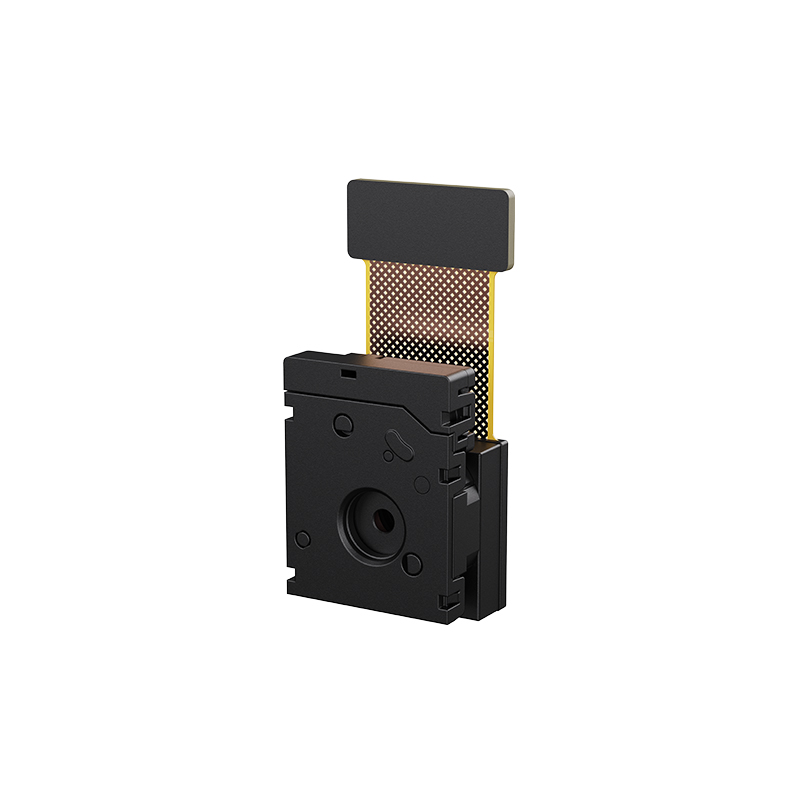
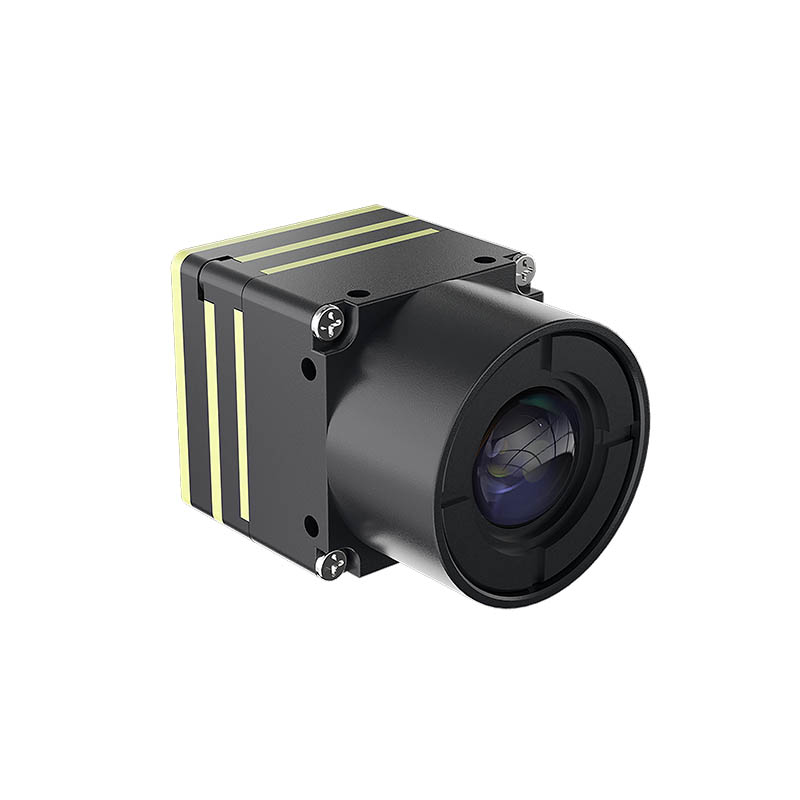
Pipelines are critical infrastructure in various industries, from oil and gas to water supply. However, leaks in pipelines can lead to severe environmental damage and substantial financial losses. Detecting these leaks promptly is essential to prevent costly repairs and operational downtime. One effective solution for this task is the use of thermal cameras.
Why Pipeline Leak Detection Matters
Pipeline leaks, whether in oil, gas, or water systems, pose significant risks. They can lead to environmental contamination, safety hazards, and expensive remediation efforts. For instance, a minor leak in an oil pipeline can escalate into a major spill if not detected early. Thus, detecting these leaks as soon as they occur is crucial for minimizing damage and ensuring safety.
What Is a Thermal Camera and How Does It Work?
A thermal camera, also known as an infrared camera, uses thermal imaging technology to detect heat emitted by objects. Unlike visible light cameras, which capture light reflected off surfaces, thermal cameras detect infrared radiation, which is emitted by all objects based on their temperature.
In the context of pipeline leak detection, thermal cameras identify temperature anomalies caused by leaks. When a pipeline leaks, the escaping fluids or gases usually have a different temperature than the surrounding environment. This temperature difference is detected by the thermal camera, allowing operators to pinpoint the exact location of the leak.

How Thermal Cameras Detect Pipeline Leaks
Thermal cameras work by capturing the heat signatures of objects and translating them into visible images. When applied to pipeline inspection, these cameras detect areas where temperature deviations occur. For example:
- Moisture Leaks: If a pipeline carrying hot fluid develops a leak, the surrounding area may show up as cooler on a thermal image due to the loss of heat.
- Gas Leaks: Similarly, escaping gases might cause a thermal signature if they are either hotter or cooler than the surrounding environment.
These temperature variations are crucial for locating leaks that might not be visible to the naked eye or detectable through other means.

Advantages of Using a Thermal Camera for Pipeline Leak Detection
Thermal cameras offer several advantages for pipeline leak detection:
- Efficiency: Thermal cameras allow for rapid and efficient scanning of large pipeline sections, identifying potential leaks without the need for manual inspection.
- Accuracy: The precise detection of temperature changes ensures that leaks are identified accurately, reducing the likelihood of false positives.
- Non-invasive: Thermal imaging is a non-contact method, meaning it doesn’t interfere with the pipeline or require physical access to detect issues.
By using thermal cameras, pipeline operators can detect issues early, minimizing the risk of significant damage and costly repairs.

Key Considerations When Choosing a Pipeline Leak Detection Camera
When selecting a thermal camera for pipeline leak detection, consider the following factors:
- Resolution: Higher resolution cameras provide more detailed images, making it easier to identify and pinpoint leaks.
- Sensitivity: A camera with high thermal sensitivity will detect even small temperature differences, which is crucial for detecting minor leaks.
- Temperature Range: Ensure the camera can measure temperatures within the range relevant to your pipeline’s operating conditions.
Choosing the right camera based on these specifications will enhance the effectiveness of your leak detection efforts.

Common Applications of Thermal Cameras in Pipeline Maintenance
Thermal cameras are used in various industries for pipeline maintenance:
- Oil and Gas: For detecting leaks and monitoring pipeline integrity.
- Water Supply: To identify leaks in water distribution systems.
- Industrial Processes: To ensure the proper functioning of pipelines in manufacturing and chemical processing.
Each application benefits from the accurate, non-invasive nature of thermal imaging, which helps maintain pipeline safety and efficiency.
Thermal cameras are a powerful tool for detecting pipeline leaks, offering efficiency, accuracy, and non-invasive inspection capabilities. By investing in advanced thermal imaging technology, operators can detect leaks early, prevent significant damage, and ensure the safe operation of critical pipeline infrastructure.