
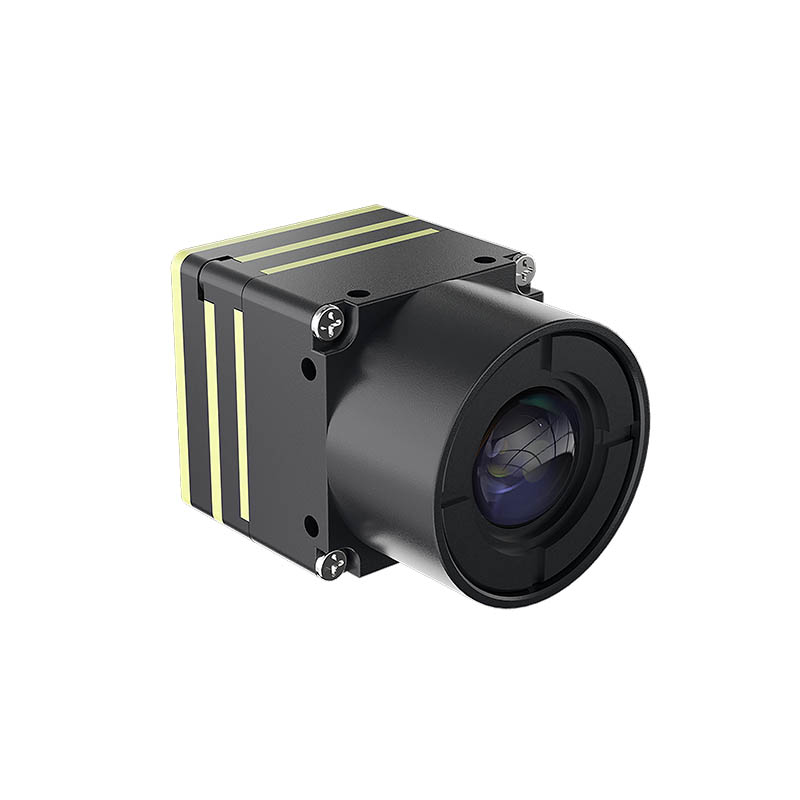
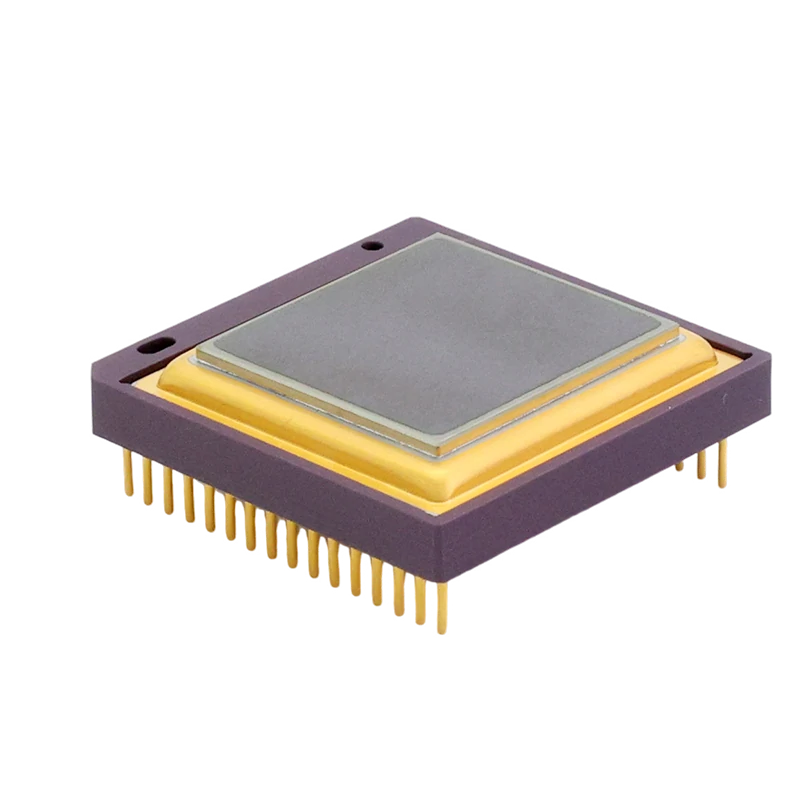
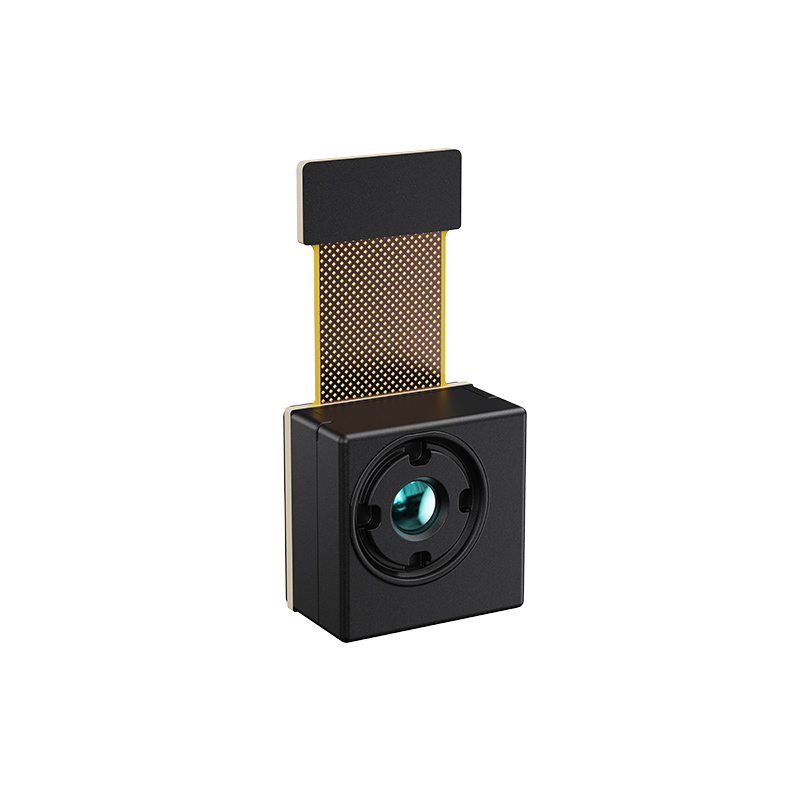
Infrared thermal imaging technology is widely used in industrial inspection, security surveillance, medical diagnostics and autonomous systems. In every infrared thermal imaging device, the thermal camera core is typically considered the most critical component—governing key specifications such as resolution, NETD, and frame rate. A Thermal camera sensor is used to detect electromagnetic waves and converts them into optical signals to generate the infrared thermal images. Selecting the right sensor is essential for achieving accurate, fast, and reliable results—whether in border surveillance, smart vehicles, or building inspection.
Why Is Selecting The Best Infrared Thermal Camera Sensor So Important?
Choosing the wrong thermal imaging sensor can lead to blurry images, inaccurate temperature data, and delayed system response—compromising both safety and inspection reliability. This article provides a comprehensive guide to help you select the right infrared thermal camera core based on your specific application needs.

How To Choose A Thermal Imaging Sensor Based On Key Specifications?
- Resolution and Pixel Pitch
Before determining a resolution and pixel pitch, first define what to image, the detection range it needs and what the level of detail required. Higher resolutions deliver clearer images. For demanding monitoring tasks such as industrial inspection and border surveillance, it is recommended to use a thermal imaging sensor with 640×512 or higher resolution. However, avoid focusing too much on high resolution; choosing the right sensor depends on the specific situation and application.
- NETD
NETD is the smallest temperature difference that the camera sensor can detect. The lower the value, the more sensitive the thermal imaging is to temperature variation. A thermal imaging sensor with NETD <50mK can clearly detect subtle thermal differences, making it suitable for high demand applications such as scientific research and medical diagnostics. Raytron Microelectronics latest 640×512 thermal sensor delivers NETD from 30mK to 50mK, providing typical industry standards.
- Frame rate
For applications that require real-time thermal imaging, such as ADAS (Advanced Driver Assistance Systems), it is recommended to choose thermal imaging sensors with a frame rate of 30Hz or 60Hz to ensure smooth and lag-free imaging.

- Classification of Thermal Imaging Products
Most thermal imaging products operate in the 8–14μm long-wave infrared (LWIR) range, primarily used for temperature measurement and night vision. The 3–5μm mid-wave infrared (MWIR) is better suited for specialized industrial applications. Short-wave infrared (SWIR) is mainly used in industrial, agricultural, and medical monitoring and imaging.
In thermal imaging, choosing the right sensor is crucial for achieving accurate and reliable results. By carefully aligning key specifications—such as resolution, NETD, and frame rate—with the intended application, users can ensure optimal performance. Whether it’s for industrial inspection, ADAS, or medical monitoring, a well-matched thermal camera sensor leads to more accurate and reliable results.
About Raytron Microelectronics
Raytron Microelectronics, a wholly-owned subsidiary of Raytron Technology Co., Ltd., is a leader in uncooled infrared thermal imaging. With full-stack capabilities from IC and MEMS sensor design to system integration, we deliver high-performance infrared solutions for industrial monitoring, wildfire prevention, outdoor night vision, consumer electronics, and intelligent sensing. Guided by our mission, “To Create Incremental Value for Customers with Technological Advancements”, we continue to drive innovation and empower smarter, safer, and more efficient systems worldwide.For more on the Raytron Microelectronics program, visit:https://www.raytron-microelectronics.com/contact-us