
Thermal imaging technology is revolutionizing industrial energy efficiency practices. Traditional industrial inspections usually involve time-consuming and destructive processes, which make it difficult to determine the exact source of energy leaks or equipment issues without interrupting operations. Infrared thermal sensors enable real-time, non-contact detection, minimizing downtime and improving productivity, providing critical information about hidden energy inefficiencies. By identifying points where energy is wasted, thermal imaging plays a vital role in helping industry reduce its carbon footprint and become more sustainable industrial monitoring and decision-making.

Can Infrared Thermal Cameras Reduce Carbon Emissions in Industrial Monitoring
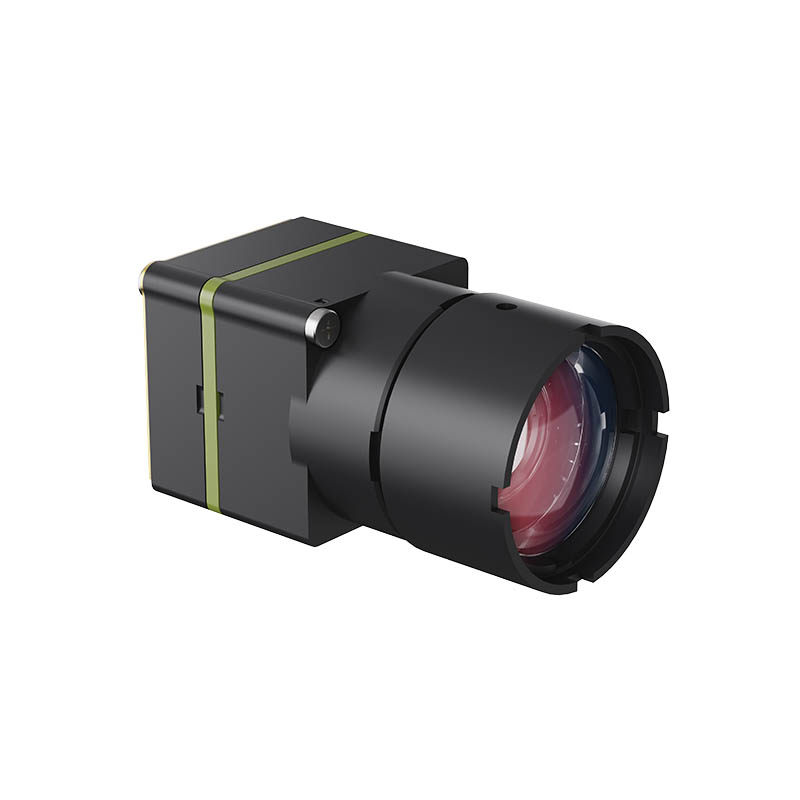
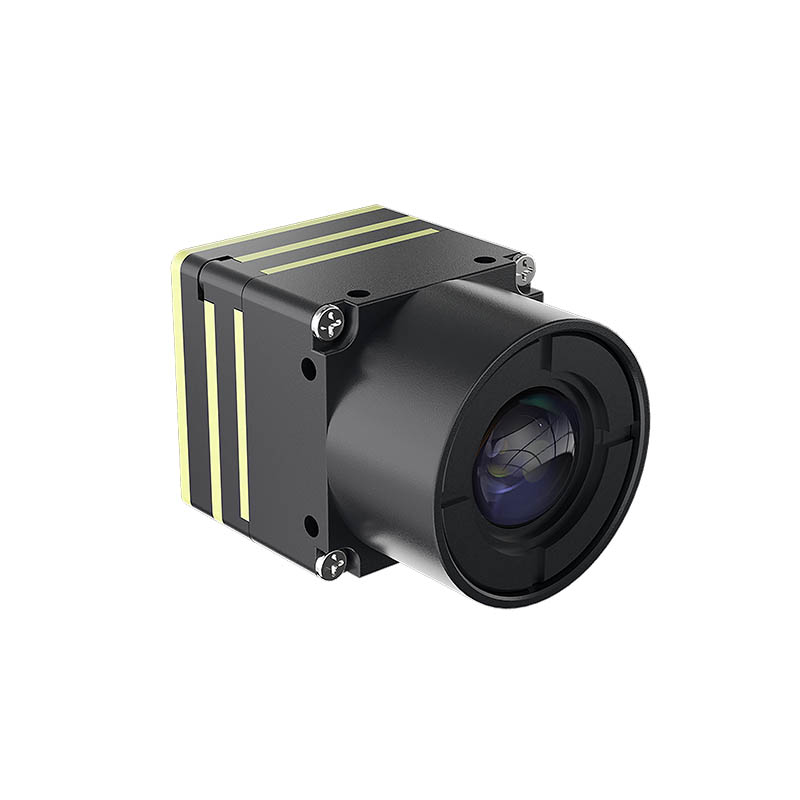
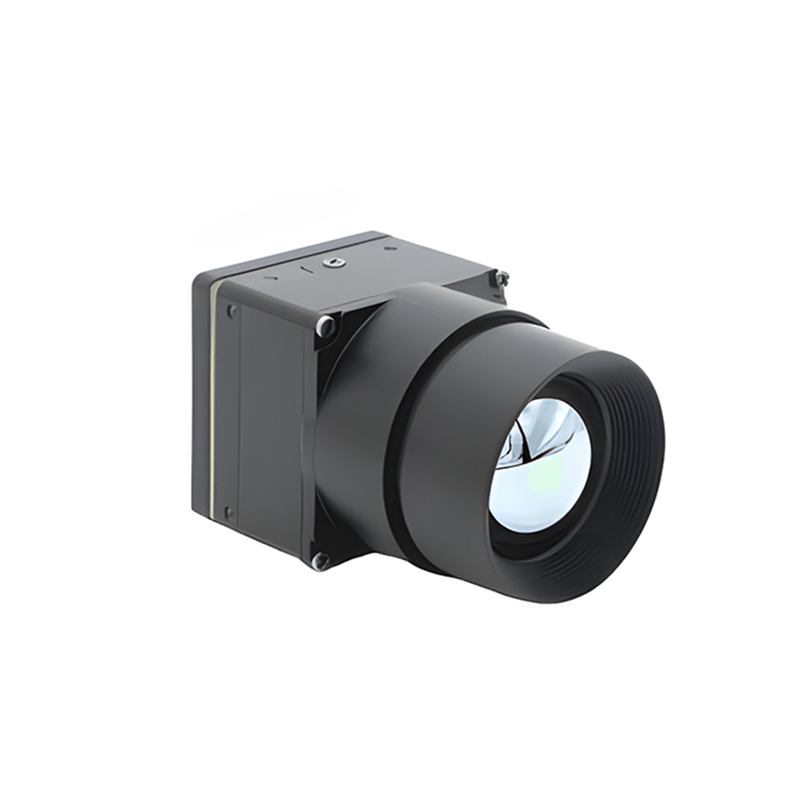
Infrared thermal modules can be applied across a wide range of industrial inspection scenarios, from inspecting factory piping to evaluating the energy performance of mechanical systems. By visualizing temperature variations in real time, infrared thermal imaging enables technicians to quickly locate areas of energy loss or abnormal heat distribution. In many applications, infrared thermal modules are integrated into monitoring systems to automate real-time detection. One common application is the detection of heat leaks in plant piping, which are a major source of energy inefficiency. Thermal imaging allows maintenance teams to identify insulation failures or cracks in pipelines that cause unnecessary heat loss, leading to higher energy consumption and operational costs. Another critical use case is thermal anomaly detection in overheated equipment. Overheating often indicates impending equipment failure or reduced operational efficiency. Infrared thermal sensor cameras make it possible to detect these anomalies early, allowing for predictive maintenance and reducing the risk of unexpected downtime or energy-intensive repairs.
What Makes Infrared Thermal Sensors Ideal for Energy Audits?
The connection between thermal imaging energy savings and reduced carbon emissions is undeniable. By improving energy efficiency, less electricity is consumed, leading to lower fossil fuel usage and fewer greenhouse gas emissions. Saving one kilowatt-hour of electricity means less carbon dioxide and other harmful pollutants are released into the atmosphere. Infrared thermal imaging technology promotes predictive maintenance by helping companies detect high-energy consumption issues—such as overheating equipment—before they lead to costly, intensive energy failures.
Thermal imaging provides factories with a clear visual basis for energy-saving decisions by accurately identifying hidden thermal anomalies, including heat leaks and system inefficiencies. In the current context of growing pressure for sustainable development, advanced infrared thermal modules not only support improved industrial energy efficiency—they also demonstrate a company’s commitment to sustainability and environmental responsibility. The energy optimization it enables is essential for reducing carbon emissions and combating climate change, and it will continue to play a vital role in the green transformation of industry.
About Raytron Microelectronics
Raytron Microelectronics, a wholly-owned subsidiary of Raytron Technology Co., Ltd., is a leader in uncooled infrared thermal imaging. With full-stack capabilities from IC and MEMS sensor design to system integration, we deliver high-performance infrared solutions for industrial monitoring, wildfire prevention, outdoor night vision, consumer electronics, and intelligent sensing. Guided by our mission, “To Create Incremental Value for Customers with Technological Advancements”, we continue to drive innovation and empower smarter, safer, and more efficient systems worldwide.For more on the Raytron Microelectronics program, visit:https://www.raytron-microelectronics.com/contact-us