
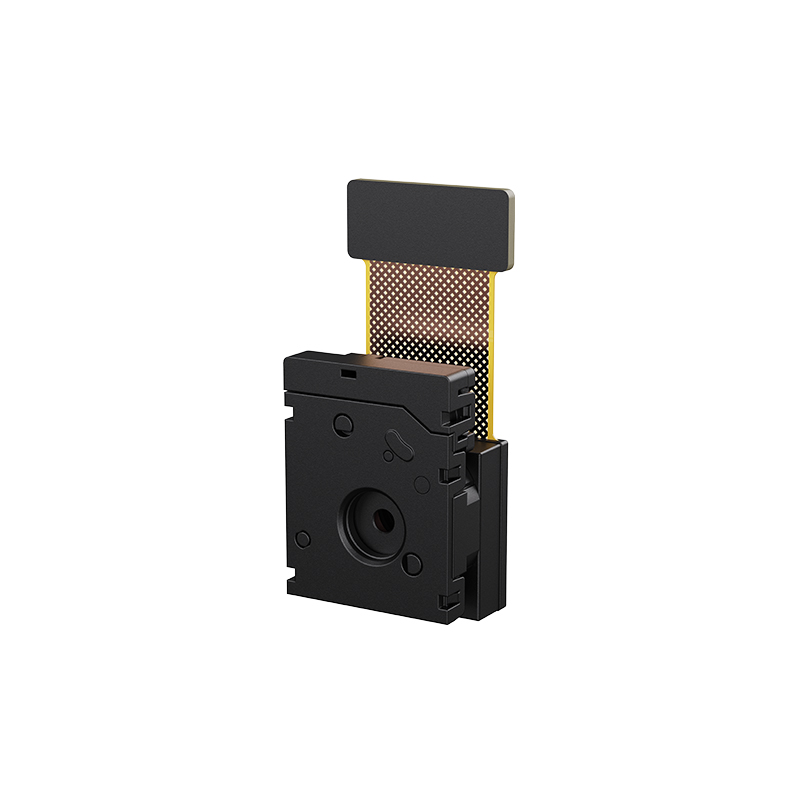
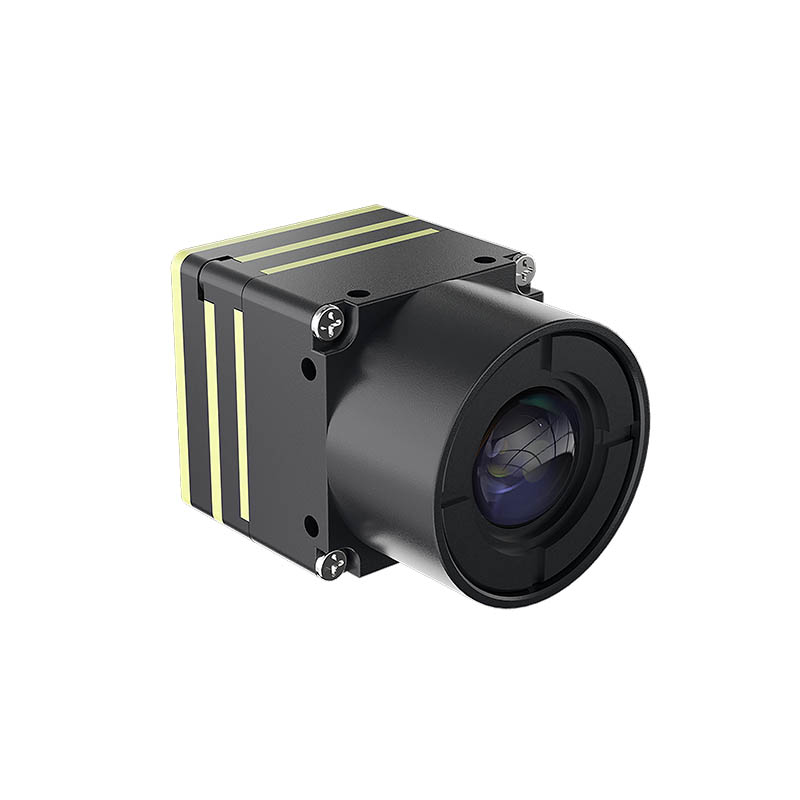
Advanced Driver Assistance Systems (ADAS) have revolutionized automotive safety, making driving more secure and comfortable. Among the core components of ADAS, infrared thermal sensors play a crucial role in enhancing vehicle night vision. This technology empowers drivers to detect obstacles, animals, and other vehicles even in low light or complete darkness. In this blog, we will explore how infrared thermal sensors function, their advantages over traditional systems, and why they are becoming a key feature in modern vehicles.
1. What Are Infrared Thermal Sensors?
Infrared thermal sensors detect heat emitted by objects. Unlike conventional cameras that rely on visible light, thermal sensors capture infrared radiation. Every object emits some level of infrared energy, which varies based on temperature. These sensors translate infrared radiation into thermal images, highlighting heat sources against cooler backgrounds. This ability to “see” heat enables vehicles to operate safely in low-visibility conditions like nighttime, fog, or heavy rain.
2. How Do Infrared Thermal Sensors Work in ADAS?
Infrared thermal sensors in ADAS are integrated into the vehicle’s vision system. They work by scanning the surroundings and generating thermal images. These images are then analyzed by the ADAS to identify potential hazards, including pedestrians, animals, or other vehicles that might not be visible with regular headlights.
Thermal sensors use temperature differences to differentiate objects. Warmer objects like humans or animals stand out clearly against the cooler road or background. This allows the ADAS to detect and alert drivers to potential dangers earlier than traditional vision systems, which rely heavily on visible light.

3. Benefits of Using Infrared Thermal Sensors in Vehicle Night Vision
Infrared thermal sensors offer several advantages when integrated into ADAS systems for night vision:
a. Enhanced Detection Accuracy
Traditional night vision systems rely on ambient light or headlights to illuminate the road ahead. However, this lighting is often insufficient in extremely dark environments or during adverse weather conditions. Infrared thermal sensors are unaffected by lighting conditions and can detect objects based purely on temperature differences, ensuring reliable and accurate detection.
b. Improved Response Time
Thermal sensors provide faster detection of obstacles compared to conventional systems. By highlighting warm objects even from a distance, the system can alert drivers or trigger automated responses quicker. This rapid detection significantly improves safety, especially in areas with limited visibility.
c. Reduced False Alarms
False alarms are a common issue with traditional night vision systems that rely on reflected light. Infrared thermal sensors reduce these occurrences since they do not depend on visible light, minimizing errors caused by reflections or glare. This increases the reliability of the ADAS, leading to a smoother driving experience.

4. How Infrared Thermal Sensors Outperform Other Night Vision Technologies
There are various technologies used to improve vehicle night vision, including image intensifiers, near-infrared (NIR) cameras, and radar systems. Infrared thermal sensors stand out due to their unique capabilities:
a. Compared to Image Intensifiers
Image intensifiers amplify available light to improve visibility, but they struggle in total darkness or against high-glare sources like headlights. Infrared thermal sensors, on the other hand, do not require any external light source. This makes them ideal for detecting objects in complete darkness without being affected by oncoming lights.

b. Compared to Near-Infrared Cameras
Near-infrared cameras capture images using a near-infrared light source. While they perform well in low light, they have limitations in detecting objects beyond a certain range and can be affected by environmental conditions like fog. Infrared thermal sensors excel by capturing heat signatures at greater distances, offering a clearer and broader detection range.
c. Compared to Radar Systems
Radar is another popular choice for night vision, utilizing radio waves to detect obstacles. While effective, radar may struggle to accurately identify certain objects, such as animals or small obstacles. Thermal sensors provide a detailed visual image, helping the ADAS distinguish between objects more effectively, making decisions more precise.
Infrared thermal sensors are transforming how vehicles perceive the road at night. Their ability to detect heat sources without relying on visible light enhances night vision in ADAS, making driving safer in low-visibility conditions. As the technology evolves, it will become an indispensable component in the future of autonomous and semi-autonomous vehicles. Integrating thermal sensors into ADAS is not just about improving night vision but also about setting a higher standard for automotive safety.