
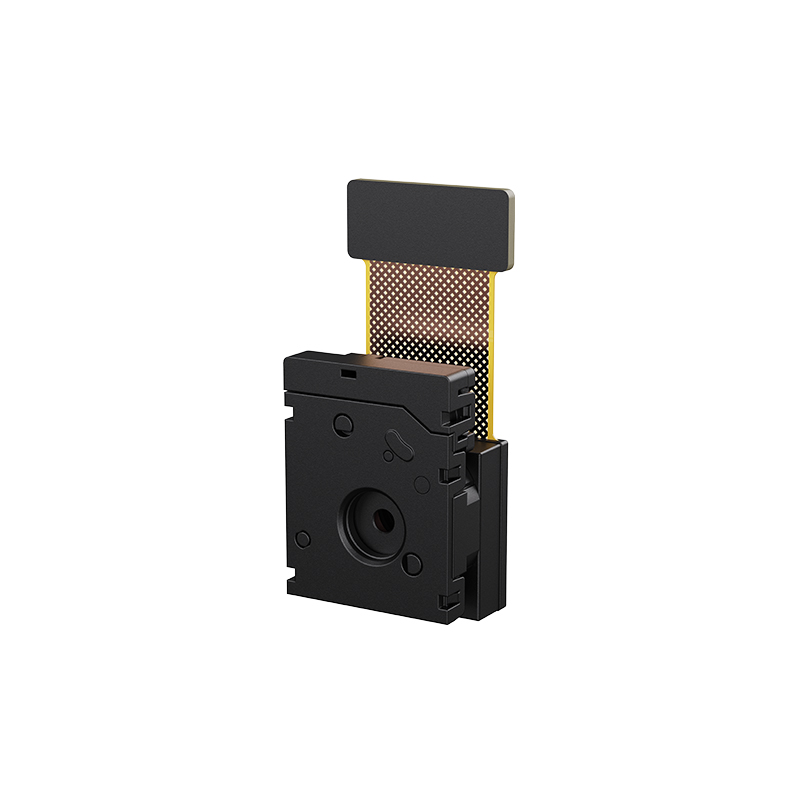
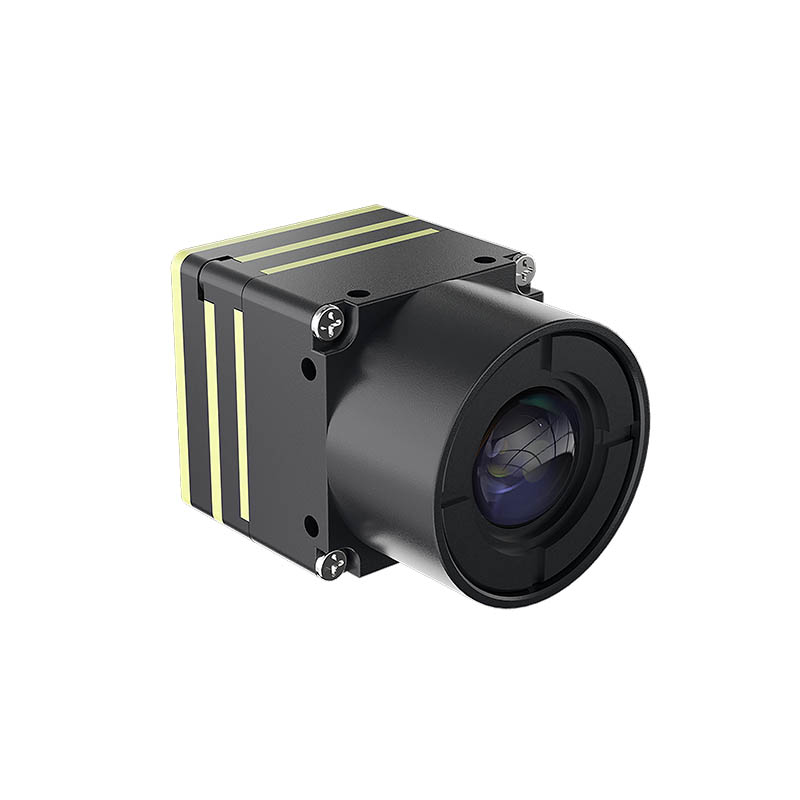
When the sun goes down, our vision is significantly impaired, making it challenging to see clearly in the dark. This limitation affects various activities, from wildlife observation to security operations. Fortunately, thermal imaging sensor modules provide an effective solution for outdoor night vision, offering enhanced visibility in low-light conditions. In this article, we will explore how thermal imaging sensor modules can revolutionize outdoor night vision, their benefits, applications, key features, and future trends.
What is Thermal Imaging?
Thermal imaging is a technology that detects infrared radiation (heat) emitted by objects and converts it into an image. Unlike traditional night vision technologies that amplify visible light, thermal imaging captures the heat signatures of objects, making it possible to see even in complete darkness. This capability makes thermal imaging an invaluable tool for various night vision applications.

Benefits of Thermal Imaging Sensor Modules
Enhanced Visibility
Thermal imaging sensor modules excel at detecting heat signatures, allowing users to see clearly in total darkness. This capability is crucial for activities such as nighttime monitoring, wildlife observation, and search and rescue operations.
Weather Resilience
Unlike traditional night vision devices, thermal imaging is not affected by adverse weather conditions. Whether it’s fog, rain, or smoke, thermal imaging can penetrate these obstructions, providing reliable visibility regardless of the weather.
Long Range Detection
Thermal imaging sensor modules can detect heat signatures from long distances, making them ideal for applications requiring extended range detection. This feature is particularly beneficial for security and outdoor operations.
Non-Invasive Monitoring
Thermal imaging allows for discreet and non-invasive monitoring. It can monitor wildlife without disturbing their natural behavior and conduct security operations without alerting potential intruders.

Applications of Thermal Imaging in Outdoor Night Vision
Wildlife Observation
Thermal imaging is invaluable for studying nocturnal animals and monitoring their behavior in their natural habitat. Researchers and wildlife enthusiasts can use thermal imaging to observe animals without the need for artificial lighting, which can disturb the wildlife.
Search and Rescue Operations
In search and rescue operations, time is of the essence. Thermal imaging helps locate lost or injured individuals quickly, even in challenging terrains and low visibility conditions. This technology can significantly improve the chances of a successful rescue.
Security and Monitoring
For home and business security, thermal imaging provides an additional layer of protection. It can detect intruders and potential threats in complete darkness, ensuring continuous monitoring and safety.

Key Features of Thermal Imaging Sensor Modules
Resolution
The resolution of a thermal imaging sensor determines the clarity and detail of the images it produces. High-resolution sensors provide better image quality, making it easier to identify objects and details.
Sensitivity
Thermal sensitivity refers to the sensor’s ability to detect minute differences in temperature. High sensitivity sensors can detect even slight temperature variations, providing more accurate and detailed images.
Field of View
The field of view (FOV) is the area visible through the thermal imaging sensor. A wider FOV allows for broader coverage, while a narrower FOV provides more detailed views of specific areas.
Integration Capabilities
Modern thermal imaging sensor modules can be integrated with other devices and systems, such as cameras, and security systems. This integration enhances their functionality and versatility.

How to Choose the Right Thermal Imaging Sensor Module
Purpose
Determine the primary use case for the thermal imaging sensor module. Whether it’s for security, wildlife observation, or search and rescue, identifying the purpose will help narrow down the options.
Budget
Thermal imaging sensor modules come in various price ranges. Establish a budget and consider what features are essential for your needs. Higher-end models typically offer better performance and additional features.
Technical Specifications
Pay attention to key specifications such as resolution, sensitivity, and field of view. These factors significantly impact the performance and usability of the thermal imaging sensor.
Brand and Warranty
Research reputable brands and check for warranties. Reliable brands offer better customer support and product quality, ensuring your investment is protected.

Future Trends in Thermal Imaging for Night Vision
Advancements in Technology
The future of thermal imaging looks promising, with continuous advancements in sensor technology. Expect higher resolution, improved sensitivity, and more compact designs, enhancing overall performance.
Increased Accessibility
As technology progresses, thermal imaging devices are becoming more affordable and accessible. This trend will likely lead to wider adoption across various industries and applications.
Integration with AI
The integration of artificial intelligence (AI) with thermal imaging is set to revolutionize the field. AI algorithms can enhance image processing, automate detection and recognition, and provide valuable insights for various applications.

Thermal imaging sensor modules offer a powerful solution for outdoor night vision, providing enhanced visibility, weather resilience, and long-range detection. Their applications range from wildlife observation to security. As technology continues to advance, thermal imaging will become even more accessible and effective, making it an indispensable tool for night vision needs.
Consider integrating thermal imaging sensor modules into your night vision arsenal to experience the benefits firsthand. Whether for personal use or professional applications, thermal imaging is a game-changer in the world of outdoor night vision.
FAQs
What is the difference between thermal imaging and night vision?
Thermal imaging detects heat signatures, while traditional night vision amplifies visible light.
Can thermal imaging work through walls?
No, thermal imaging cannot see through walls. It detects surface heat signatures.
How far can thermal imaging see?
The detection range of thermal imaging depends on the sensor’s specifications, with some modules capable of detecting objects at long distances.