
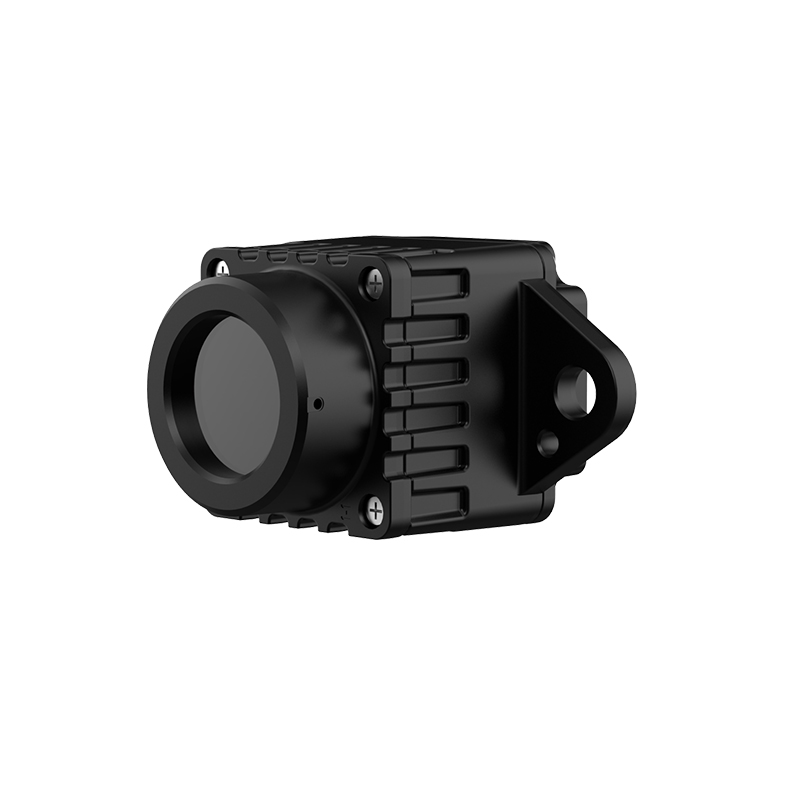
Advanced Driver Assistance Systems (ADAS) have significantly transformed the automotive industry by enhancing driver safety and convenience. These systems rely on a variety of sensors, including cameras and sensing, to provide real-time information about a vehicle’s surroundings. However, as vehicles become more intelligent and autonomous, there is an increasing demand for higher-performance sensors that can function in challenging environments, such as low visibility conditions. This is where thermal cameras come in.
The Role of Thermal Cameras in ADAS
Thermal cameras capture infrared radiation, which is emitted by objects based on their temperature. Unlike visible light cameras, which require adequate lighting to function, thermal cameras can operate in total darkness. This makes them ideal for enhancing the performance of ADAS in conditions where other sensors might fail.
Thermal imaging can detect heat signatures from vehicles, pedestrians, animals, and even road obstacles, regardless of visibility conditions. This capability is especially important for ADAS features such as automatic emergency braking, pedestrian detection, and collision avoidance.
Key Benefits of Thermal Cameras for ADAS
1. Improved Night Vision
One of the most significant benefits of thermal cameras is their ability to provide high-resolution imagery in low-light or no-light environments. Traditional cameras rely on external light sources, such as headlights, to capture clear images. However, these cameras can struggle when faced with poor lighting, such as at night or in foggy conditions.
Thermal cameras, on the other hand, do not require ambient light to function. They detect heat radiation, allowing them to detect objects that emit heat, such as pedestrians or animals, even in pitch-black conditions. This is critical for ensuring that ADAS systems can identify potential hazards well before they come into the vehicle’s path, thus improving overall safety.
2. Enhanced Object Detection
Thermal cameras excel at distinguishing objects that might otherwise be difficult to identify using other sensors. For instance, thermal imaging can detect a person’s body heat or the warm engine of a vehicle, even if the object is obscured by fog, rain, or dust. By providing a clearer picture of the environment, thermal cameras help ADAS systems detect potential hazards in the road ahead, improving the vehicle’s ability to make timely decisions.
This technology is particularly useful for advanced safety features like adaptive cruise control and lane-keeping assistance, as it ensures that the vehicle can respond to changing conditions or potential dangers with greater accuracy.
3. Better Performance in Adverse Weather
In adverse weather conditions such as fog, rain, or snow, standard visible light cameras can be easily obstructed, limiting their ability to detect objects on the road. Radar sensors can help, but they often struggle to differentiate between different types of obstacles. Thermal cameras, however, are less affected by weather conditions. They can detect heat signatures even when visibility is poor, making them a valuable tool for improving the performance of ADAS in inclement weather.
For example, during heavy rainfall or fog, thermal imaging can still detect pedestrians or animals at a distance, allowing the ADAS to react more quickly and reduce the risk of an accident.
4. Increased Accuracy for Pedestrian Detection

Thermal cameras are especially effective at identifying pedestrians, who are often difficult to spot with traditional cameras, particularly in low-visibility situations. Humans emit a significant amount of heat, making them easily identifiable in thermal images. By integrating thermal cameras into ADAS systems, vehicles can detect pedestrians even when they are in shadowed areas, around corners, or in poorly lit environments.This capability is crucial for preventing accidents involving pedestrians, a common concern for vehicle safety.
Integrating Thermal Cameras into ADAS
The integration of thermal cameras into ADAS is a step toward building safer and more reliable vehicles. One example of this integration is the Horus640-B automotive thermal imaging module, which provides high-resolution thermal imaging, allowing vehicles to detect potential hazards even in challenging environments. This module can be easily integrated into existing ADAS architectures, enhancing the system’s ability to identify threats and make quick decisions.

Thermal cameras represent a valuable upgrade to ADAS, offering enhanced detection capabilities in low-light conditions, improved accuracy in adverse weather, and better pedestrian detection. As automotive technologies continue to evolve, integrating thermal imaging into ADAS will become increasingly important for improving road safety and advancing autonomous driving capabilities. By incorporating a high-performance thermal camera like the Horus640-B, automakers can ensure that their ADAS is equipped to handle a wider range of driving scenarios, particularly those involving low visibility or dangerous conditions.
About Raytron Microelectronics
Raytron Microelectronics, a wholly-owned subsidiary of Raytron Technology Co., Ltd., is a leader in uncooled infrared thermal imaging. With full-stack capabilities from IC and MEMS sensor design to system integration, we deliver high-performance infrared solutions for industrial monitoring, wildfire prevention, outdoor night vision, consumer electronics, and intelligent sensing. Guided by our mission, “To Create Incremental Value for Customers with Technological Advancements”, we continue to drive innovation and empower smarter, safer, and more efficient systems worldwide.For more on the Raytron Microelectronics program, visit:https://www.raytron-microelectronics.com/contact-us