
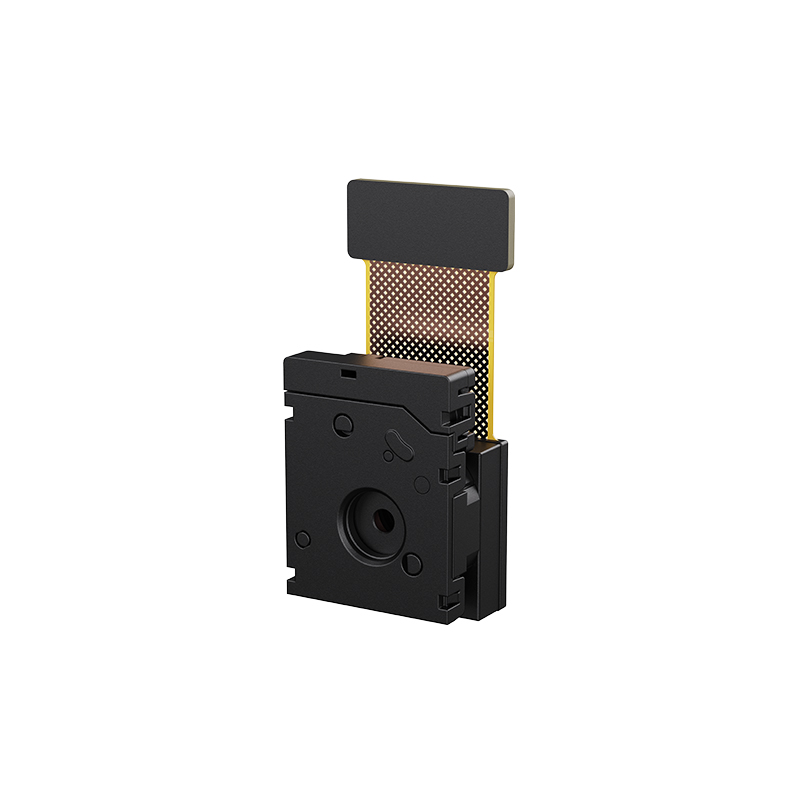
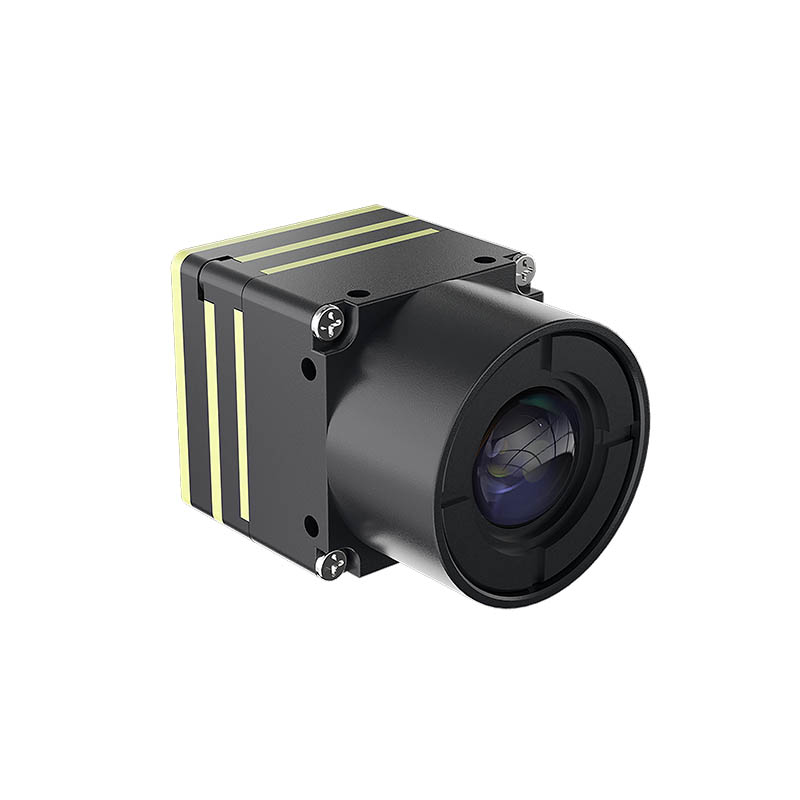
In the quest for energy efficiency, building audits have become a cornerstone of sustainable practices. The ability to pinpoint inefficiencies and areas of energy loss is crucial, and this is where thermal cameras come into play. These advanced devices offer a revolutionary approach to energy audits, providing detailed insights into a building’s thermal performance.
Understanding Thermal Cameras
Thermal cameras, or thermographic cameras, capture heat signatures to create visual images. They are invaluable in energy audits for their non-invasive nature and ability to detect minute temperature differences. The benefits of thermal imaging include identifying heat leaks, evaluating insulation, and assessing HVAC systems.
Identifying Energy Loss
Thermal cameras excel at detecting energy loss through walls, roofs, and windows. By revealing heat signatures, these cameras can show where a building is losing heat, allowing for targeted insulation upgrades. This not only improves energy efficiency but also reduces environmental impact.

Improving Insulation
Proper insulation is key to energy conservation. Thermal cameras can assess the quality of insulation by identifying areas with poor thermal performance. This visual data is crucial for making informed decisions about insulation improvements, leading to significant energy savings.
Evaluating HVAC Systems
Heating, Ventilation, and Air Conditioning (HVAC) systems are major energy consumers. Thermal cameras can inspect these systems for inefficiencies, such as uneven heating or cooling. By identifying these issues, building owners can optimize their HVAC systems for better energy performance.

Detecting Moisture Issues
Moisture infiltration can lead to mold growth and energy loss through compromised insulation. Thermal imaging can reveal these hidden moisture issues, allowing for timely remediation and improved energy efficiency.
Optimizing Lighting and Electrical Systems
Thermal cameras also have applications in assessing lighting and electrical systems. They can identify areas of excessive heat, which may indicate inefficient lighting or electrical faults. Addressing these issues can lead to energy savings and enhanced safety.

Regulatory Compliance and Energy Standards
Thermal imaging supports compliance with various energy regulations and standards. It provides the necessary data to demonstrate a building’s adherence to energy efficiency requirements, facilitating compliance and potentially unlocking financial incentives.
Cost-Benefit Analysis
The financial benefits of using thermal cameras in energy audits are substantial. By identifying and addressing energy inefficiencies, building owners can achieve significant cost savings on energy bills. The return on investment (ROI) is often realized within a short period.

Future of Thermal Imaging in Energy Audits
Technological advancements are continually improving the capabilities of thermal cameras. The future of energy audits is likely to see even greater integration of these devices, with more sophisticated analysis and reporting tools.
Thermal cameras are a powerful tool in the realm of building energy audits. They offer a comprehensive view of a building’s thermal performance, allowing for targeted improvements and significant energy savings. As the push for energy efficiency continues, the role of thermal imaging in audits will only grow.