
Infrared (IR) thermal imaging has become an essential tool across various industries, offering valuable insights where traditional methods fall short. By capturing and visualizing heat patterns, it enables users to identify temperature variations that are invisible to the naked eye. In this article, we will explore the basics of IR thermal imaging, its applications, and how it enhances decision-making processes in both professional and everyday scenarios.
What Is IR Thermal Imaging?
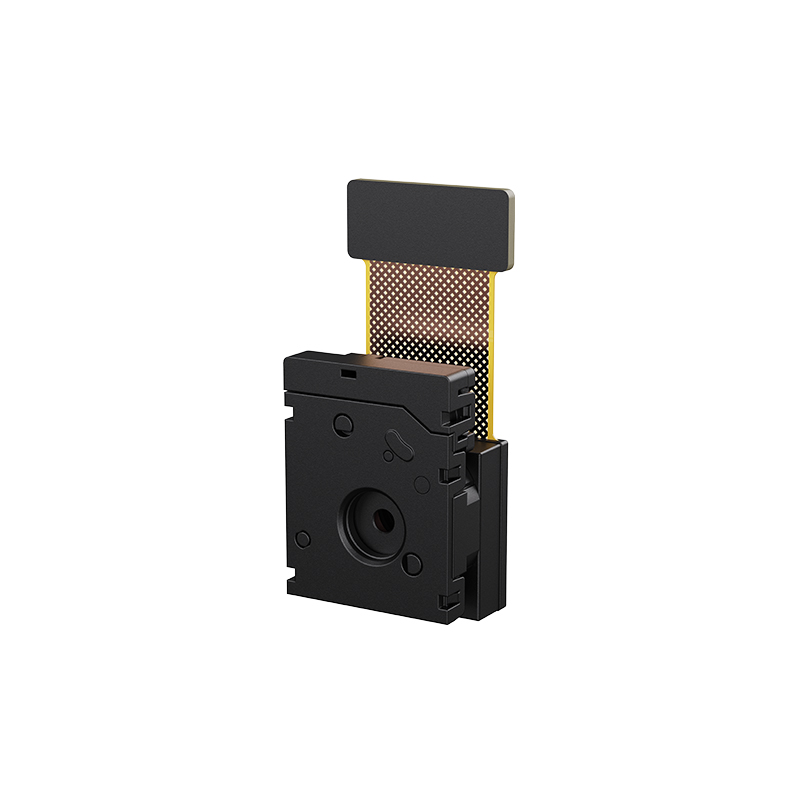
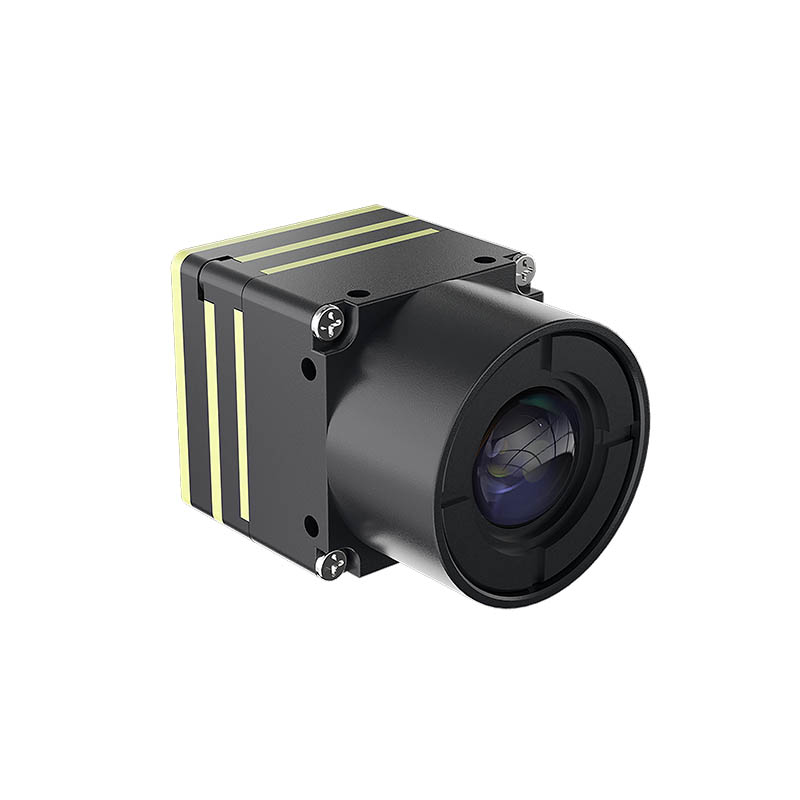
IR thermal imaging refers to the technology that detects infrared radiation (heat) emitted by objects and converts it into a visual image. Every object, regardless of temperature, emits some level of infrared radiation. The primary function of thermal imaging cameras is to translate this radiation into a visible image, allowing users to “see” heat.
The technology behind IR thermal imaging leverages infrared sensors to measure temperature differences. These sensors capture even the slightest changes in heat, creating a thermal image that displays various temperature levels through color gradients.

How Does IR Thermal Imaging Work?
The process begins with infrared sensors detecting infrared radiation from objects within their field of view. These sensors then generate a heat map, which is displayed as an image. Warmer areas often appear in colors like red or yellow, while cooler areas are typically shown in shades of blue or purple.
In IR thermal imaging, the camera does not require any external light source, making it ideal for use in complete darkness or low-light environments. This makes the technology particularly useful in nighttime operations, building inspections, and search-and-rescue missions.

Applications of IR Thermal Imaging
1. Industrial Inspections
One of the most widespread uses of IR thermal imaging is in industrial inspections. By detecting heat anomalies, maintenance professionals can identify issues like overheating machinery, electrical faults, or insulation problems before they become critical. This proactive approach helps prevent equipment failure and improves overall safety.
2. Medical Diagnosis
In the medical field, IR thermal imaging is utilized to detect abnormal heat patterns in the human body. It has been used in research and diagnostics for various conditions, including detecting inflammation, tumors, and circulatory problems. Non-invasive and radiation-free, it provides a safe option for continuous monitoring of physiological changes.
3. Building Inspections
During building inspections, IR thermal imaging is invaluable for detecting insulation defects, air leaks, and water damage. It can reveal hidden issues behind walls or floors that might otherwise go unnoticed, leading to more efficient repairs and energy savings.
4. Automotive
The automotive industry has also adopted IR thermal imaging to enhance safety features. Thermal cameras can detect pedestrians, animals, or objects on the road in low-visibility conditions, significantly improving the safety of nighttime driving.
5. Environmental Monitoring
In environmental applications, IR thermal imaging is useful for detecting heat emissions from wildfires, volcanic activity, and even endangered species. It allows conservationists and environmental scientists to track temperature changes that may indicate critical ecological shifts.

Advantages of IR Thermal Imaging
1. Non-Contact Measurement
One of the key benefits of IR thermal imaging is its ability to measure temperature without direct contact. This makes it ideal for hazardous environments where physical proximity would be dangerous, such as in high-voltage equipment inspections or during firefighting operations.
2. Works in Darkness
Since IR thermal imaging does not rely on visible light, it can operate effectively in complete darkness. This feature is particularly useful in nighttime surveillance, search and rescue missions, and law enforcement activities.
3. Real-Time Analysis
Thermal cameras provide real-time data, allowing users to make immediate decisions based on current heat patterns. Whether it’s identifying an overheating component or locating a missing person, the ability to access instant data is invaluable in many situations.

IR thermal imaging is a powerful technology that offers a wide range of applications across multiple industries. Its ability to detect heat patterns that are invisible to the naked eye makes it an invaluable tool for industrial inspections, medical diagnostics, environmental monitoring, and more. With ongoing advancements in technology, IR thermal imaging continues to evolve, offering even more precision and versatility.
Whether you’re a professional seeking to improve operational efficiency or someone interested in the technology for personal use, IR thermal imaging presents numerous possibilities for enhancing safety, monitoring, and diagnostics.