
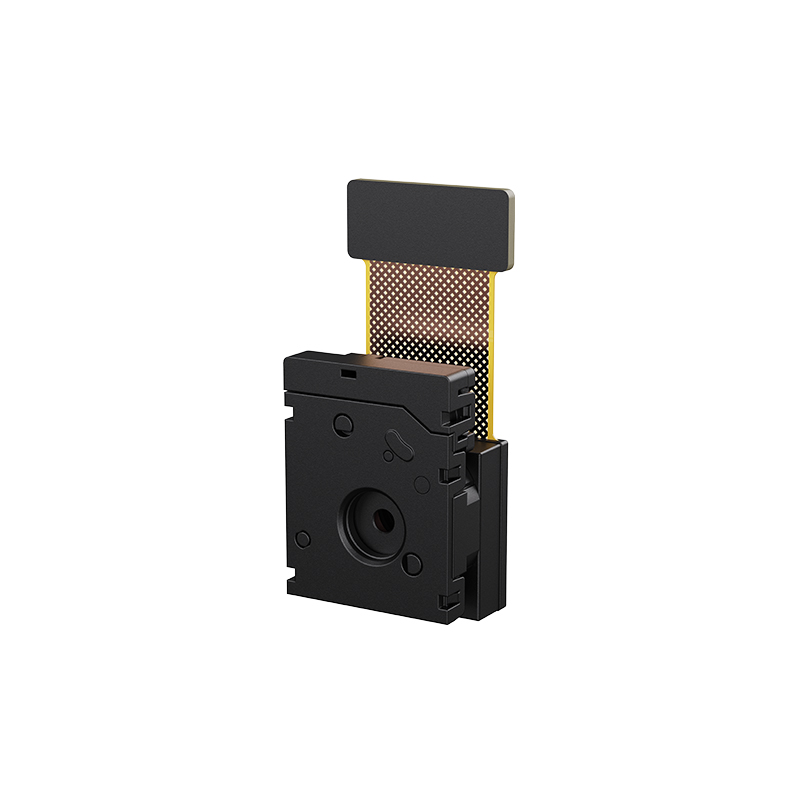
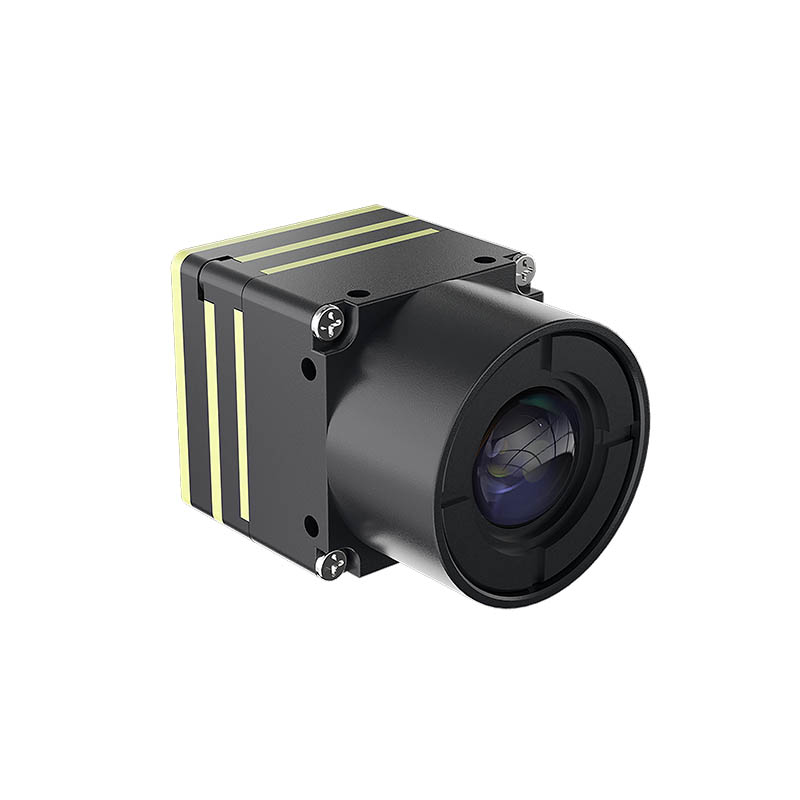
When it comes to navigating the night, the right vision technology can make all the difference. Whether you’re in the outdoor activities or conducting search and rescue operations, seeing clearly in the dark is crucial.
Understanding Thermal Imaging and Traditional Night Vision
Before diving into the advantages, let’s understand the basics of these technologies.
Thermal Imaging: This technology detects heat signatures emitted by objects and living beings. It translates heat into visible images, allowing users to see in complete darkness and through various obstructions like fog, smoke, and foliage.
Traditional Night Vision: This technology amplifies existing light, such as moonlight or starlight, to create a visible image. It relies on ambient light and can struggle in extremely dark conditions or environments with visual obstructions.

Enhanced Detection Capabilities
One of the most significant advantages of thermal imaging over traditional night vision is its superior detection capabilities. Thermal imaging can identify heat signatures, making it possible to see objects, animals, and people even in complete darkness. Traditional night vision, on the other hand, depends on ambient light, which can be problematic in low-light or no-light situations. This makes thermal imaging ideal for detecting hidden threats or targets in any condition.
Greater Range and Clarity
Thermal imaging devices offer a greater detection range and clearer images compared to traditional night vision. Thermal cameras can detect heat sources from much farther away, providing users with a more extensive field of view and better situational awareness. The clarity of thermal images remains consistent in various environmental conditions, including fog, smoke, and light foliage, whereas traditional night vision can be significantly impaired.
For example, during a night-time search and rescue operation, thermal imaging can quickly locate a person in distress, even if they are obscured by foliage or debris. Traditional night vision would struggle in such scenarios, potentially delaying critical assistance.

Versatility in Applications
Thermal imaging is incredibly versatile and finds applications across various fields.
Enforcement: It is used for monitoring, target acquisition, and threat detection.
Animal Observing: Outdoor enthusiasts use thermal imaging to spot animals, especially in dense forests.
Search and Rescue: It helps in locating missing persons in challenging environments.
Home Security: Thermal cameras are employed in security systems to detect intruders at night.
Traditional night vision, while useful, does not match the broad applicability of thermal imaging, especially in scenarios where visibility is compromised by environmental factors.

Improved Situational Awareness
Thermal imaging enhances situational awareness by providing a broader field of view and the ability to detect potential threats or targets quickly. The ability to see heat signatures allows users to distinguish between different objects and living beings, making it easier to identify and assess situations accurately.
In an enforcement context, thermal imaging can help officers identify suspects hiding in dark areas or behind obstacles, ensuring a safer and more effective operation. Traditional night vision, with its reliance on light amplification, might miss critical details in such scenarios.

Robustness and Reliability
Thermal imaging devices are known for their durability and reliability in harsh conditions. They are designed to withstand extreme temperatures, moisture, and rough handling, making them suitable for various demanding environments. Maintenance and operational reliability of thermal imaging equipment are generally superior to traditional night vision devices, which can be more sensitive to light exposure and environmental conditions.
In summary, thermal imaging trumps traditional night vision in several key areas: enhanced detection capabilities, greater range and clarity, versatility in applications, improved situational awareness, and robustness and reliability. For anyone needing dependable and efficient night vision technology, thermal imaging is the clear choice.
Frequently Asked Questions (FAQs)
Q: Can thermal imaging see through walls?
A: No, thermal imaging cannot see through walls. It detects heat signatures on the surface of objects.
Q: How far can thermal imaging detect?
A: The detection range depends on the device, but high-quality thermal cameras can detect heat sources from several hundred meters away.
Q: Is thermal imaging affected by weather conditions?
A: Thermal imaging performs well in various weather conditions, including fog, smoke, and light rain, but heavy rain and thick foliage can reduce its effectiveness.