
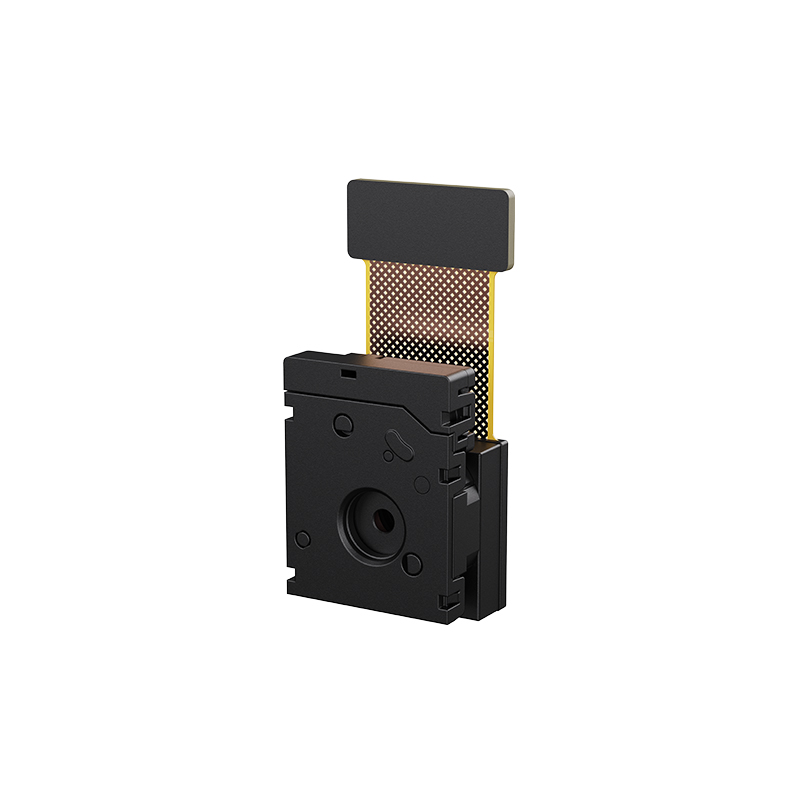
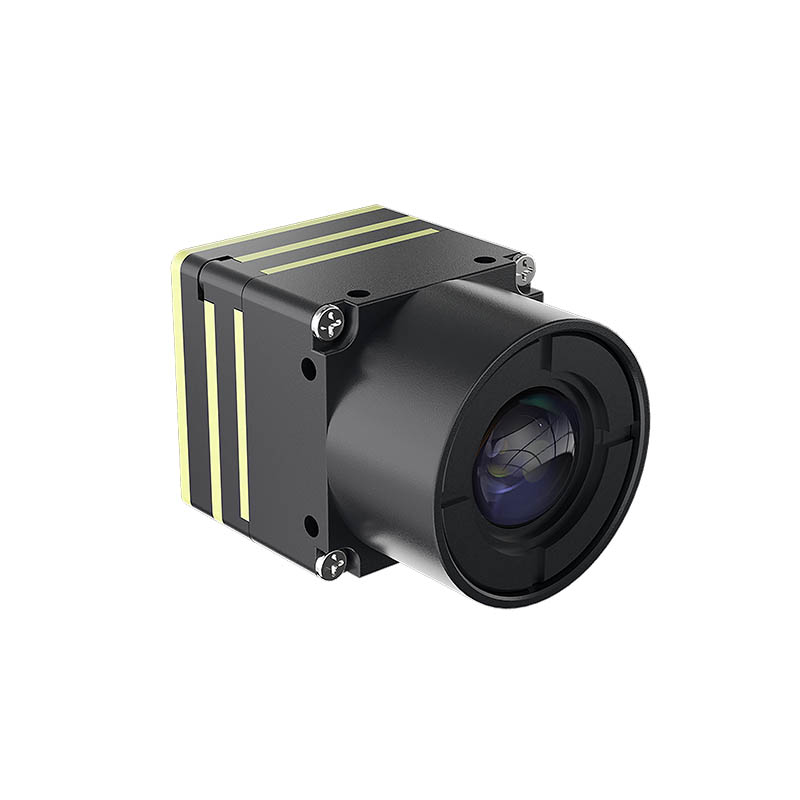
Thermal cameras, widely recognized for their use in security and firefighting, are often associated with specialized industries. However, their potential extends far beyond these traditional applications. With the ability to detect minute temperature variations, thermal cameras offer unique solutions in a variety of fields, from medical diagnostics to agriculture. This article explores five hidden applications of thermal cameras that reveal their versatility and growing importance across diverse industries.

1. Medical Diagnostics
One of the lesser-known yet impactful thermal camera applications is in the field of medical diagnostics. By capturing temperature differences in the human body, thermal cameras provide a non-invasive way to detect underlying health issues. They are particularly useful for identifying areas of inflammation, circulatory problems, and even certain types of tumors, all without exposing patients to radiation or invasive procedures. For example, a thermal camera can reveal abnormal heat patterns that suggest the presence of infection or poor blood flow, giving doctors a valuable tool for early diagnosis.
The medical field is embracing this technology as a complement to traditional imaging techniques, such as X-rays and MRIs, for conditions that affect the skin, muscles, and nerves. As the technology continues to advance, the potential for thermal cameras in diagnostics will likely grow, improving patient care in numerous ways.

2. Wildlife Monitoring
In the realm of conservation, thermal camera applications have been a game changer, particularly for wildlife monitoring. Researchers use these devices to track endangered species and observe nocturnal animals without disturbing their natural habitats. The ability to detect heat signatures makes it possible to monitor animals hidden by dense foliage or operating in complete darkness. This non-invasive approach provides critical insights into the behavior, health, and population dynamics of species that are otherwise difficult to study.
Thermal imaging is especially useful in tracking animals in difficult environments, such as forests, wetlands, or remote areas. Conservationists rely on this technology to gather data for species conservation efforts, enabling them to protect biodiversity more effectively.

3. Building Inspections
Another hidden but increasingly important thermal camera application is in building inspections. Thermal imaging is essential for detecting heat loss, insulation failures, and moisture accumulation within walls and ceilings. This technology enables inspectors to identify structural weaknesses or potential damage that may not be visible to the naked eye, helping property owners save money by addressing issues early on.
For instance, during a routine inspection, a thermal camera can reveal cold spots in a building’s insulation, indicating where energy is being wasted. Similarly, moisture within walls, which could lead to mold growth or structural damage, becomes visible through temperature differences detected by the camera. By helping building owners maintain energy efficiency and safety, thermal cameras contribute to cost savings and environmental sustainability.

4. Electrical and Mechanical Maintenance
Thermal cameras are indispensable in electrical and mechanical maintenance, especially in industrial settings. They are used to monitor electrical circuits, motors, and mechanical equipment, detecting overheating components or faulty wiring that may lead to malfunctions. These thermal camera applications are critical for predictive maintenance, allowing technicians to address issues before they escalate into costly repairs or equipment failures.
For example, a thermal camera can identify a motor that is running hotter than normal, indicating excessive friction or a need for lubrication. By catching these issues early, facility managers can prevent breakdowns and extend the lifespan of equipment, ultimately reducing downtime and increasing operational efficiency.

5. Agriculture and Crop Management
In agriculture, thermal cameras are becoming an essential tool for modern farmers. They offer a practical solution for monitoring crop health and optimizing water usage. By detecting temperature variations across fields, thermal cameras can highlight areas of drought stress, overwatering, or potential disease outbreaks. This thermal camera application allows farmers to take timely actions, such as adjusting irrigation systems or applying targeted treatments to specific areas of their crops.
Additionally, thermal cameras can help detect livestock health issues by identifying temperature changes that suggest infection or inflammation. This early detection aids farmers in managing their animals’ health more effectively, contributing to both productivity and animal welfare.

The versatility of thermal cameras goes far beyond their conventional uses in security and firefighting. As this article has shown, the hidden thermal camera applications in fields like medical diagnostics, wildlife conservation, building inspections, industrial maintenance, and agriculture highlight their growing relevance in solving diverse challenges. As technology advances, we can expect thermal cameras to unlock even more innovative solutions across industries, further expanding their impact.