
Infrared electrical inspection using thermal cameras is an efficient, non-invasive method to identify potential issues in electrical systems. By leveraging thermal imaging technology, organizations can detect anomalies early, improve safety, and enhance operational efficiency. This article explores five key benefits of conducting electrical inspections with thermal cameras and explains why they are essential for modern infrastructure.
1. Early Detection of Electrical Anomalies

Infrared thermal cameras excel in identifying hidden electrical issues before they escalate into serious problems. Loose connections, overloaded circuits, and faulty components often generate excess heat, which is invisible to the naked eye. Thermal imaging sensors, integrated into thermal cameras, capture these temperature irregularities, enabling technicians to detect problems early. This proactive approach reduces the risk of sudden equipment failure and minimizes costly downtime.
2. Enhanced Safety Measures
Electrical systems can pose significant risks, including fires and electric shocks. By utilizing thermal cameras, inspections can be conducted from a safe distance, reducing the need for physical contact with potentially hazardous equipment. This not only protects technicians but also ensures that inspections comply with safety standards. Infrared thermal sensors, adaptable to various camera formats, further enhance inspection versatility, making it easier to monitor high-risk environments.
3. Non-Invasive and Efficient Inspections

Unlike traditional inspection methods, which may require dismantling equipment, thermal imaging allows for non-invasive assessments. Technicians can inspect electrical panels, transformers, and switchgear without interrupting operations. This approach saves time and minimizes disruptions to critical systems. Additionally, the ability to integrate infrared thermal sensors into compact and portable cameras makes on-site inspections faster and more efficient.
4. Cost-Effective Maintenance Planning
Thermal imaging supports predictive maintenance by providing valuable data on equipment performance. By identifying potential issues early, businesses can plan maintenance schedules more effectively, avoiding emergency repairs. This reduces repair costs, extends the lifespan of electrical components, and improves overall operational reliability. The adaptability of thermal sensors in various camera designs ensures that inspections can be tailored to different industrial needs.
5. Comprehensive Documentation and Reporting

Thermal cameras equipped with advanced imaging technology enable technicians to capture clear, high-resolution images of electrical components. These images serve as valuable documentation for maintenance records, insurance claims, and regulatory compliance. Additionally, regular infrared inspections can help demonstrate a commitment to safety and operational excellence, which is especially important in industries with stringent compliance requirements.
How Thermal Cameras Meet Diverse Needs
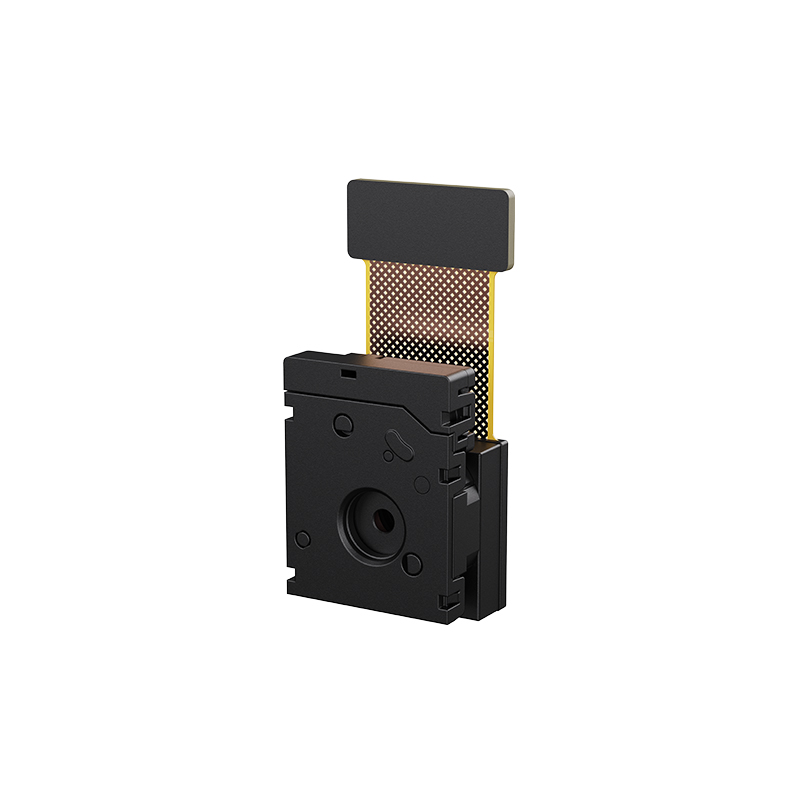
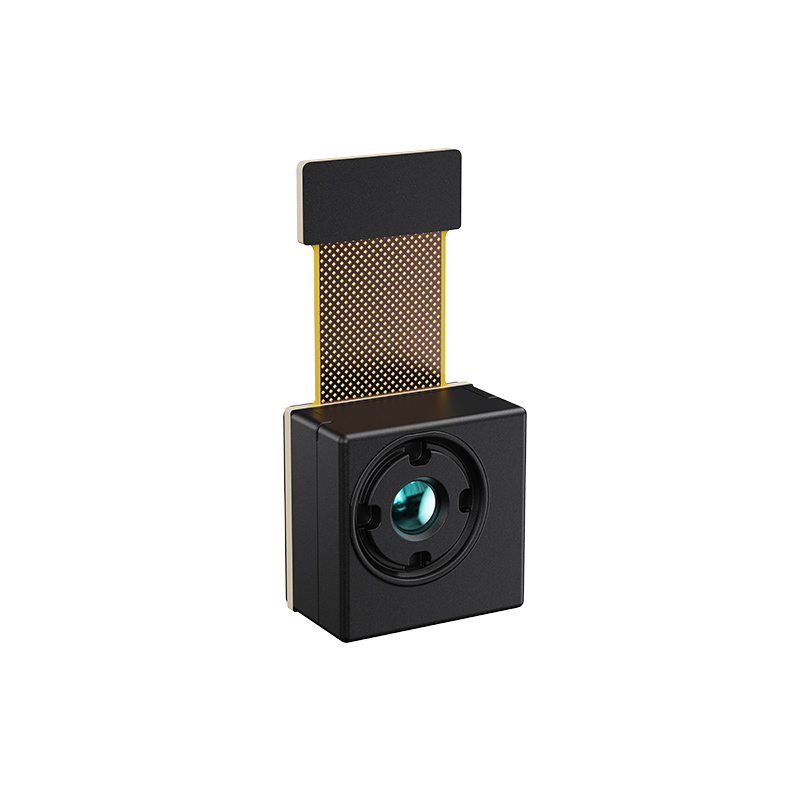
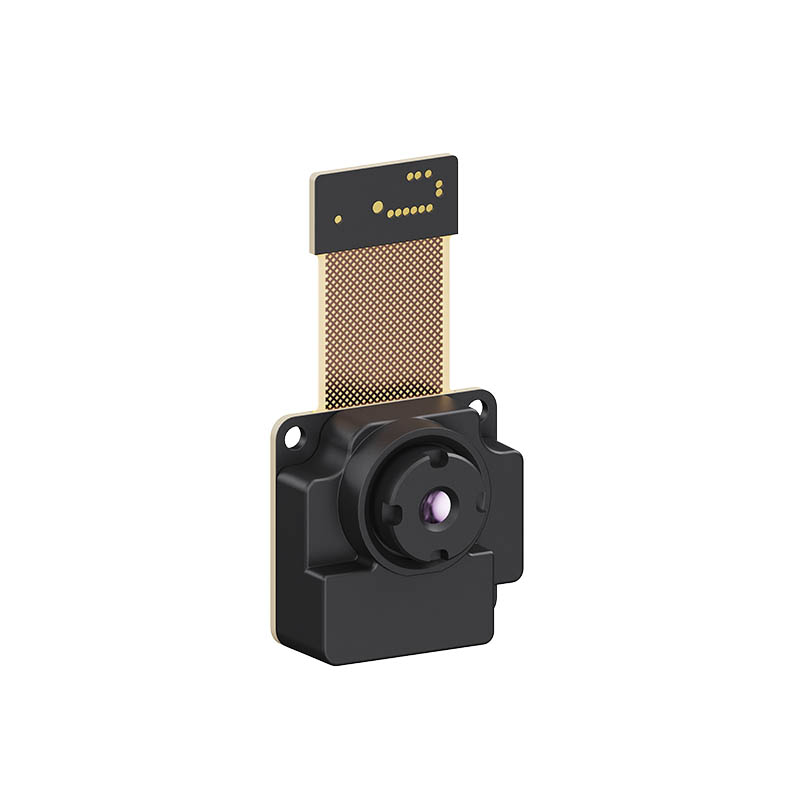
Modern thermal cameras are designed to address a wide range of applications. Infrared thermal sensors, which are core components of these devices, can be customized to meet specific requirements. Whether used in compact handheld devices for field inspections or integrated into automated systems for continuous monitoring, these sensors provide unparalleled flexibility and precision.
Infrared electrical inspections using thermal cameras are a vital tool for maintaining the safety, efficiency, and longevity of electrical systems. By identifying issues early, improving safety, and streamlining maintenance, these inspections offer significant benefits across industries. The versatility of infrared thermal sensors ensures that thermal cameras can adapt to various applications, making them an indispensable asset in modern infrastructure management.
About Raytron Microelectronics
Raytron Microelectronics, a wholly-owned subsidiary of Raytron Technology Co., Ltd., is a leader in uncooled infrared thermal imaging. With full-stack capabilities from IC and MEMS sensor design to system integration, we deliver high-performance infrared solutions for industrial monitoring, wildfire prevention, outdoor night vision, consumer electronics, and intelligent sensing. Guided by our mission, “To Create Incremental Value for Customers with Technological Advancements”, we continue to drive innovation and empower smarter, safer, and more efficient systems worldwide.For more on the Raytron Microelectronics program, visit:https://www.raytron-microelectronics.com/contact-us