
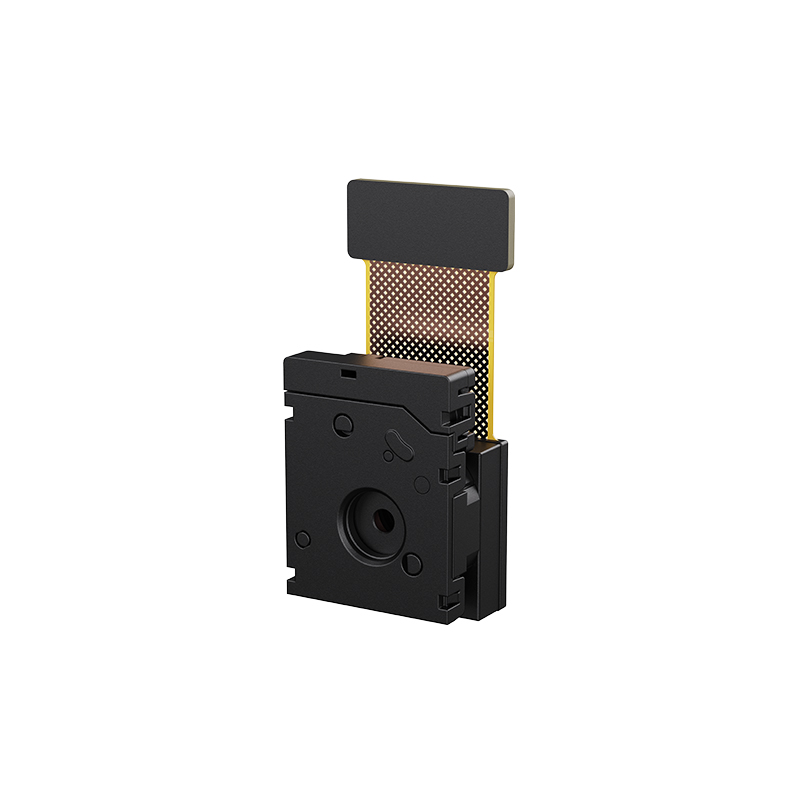
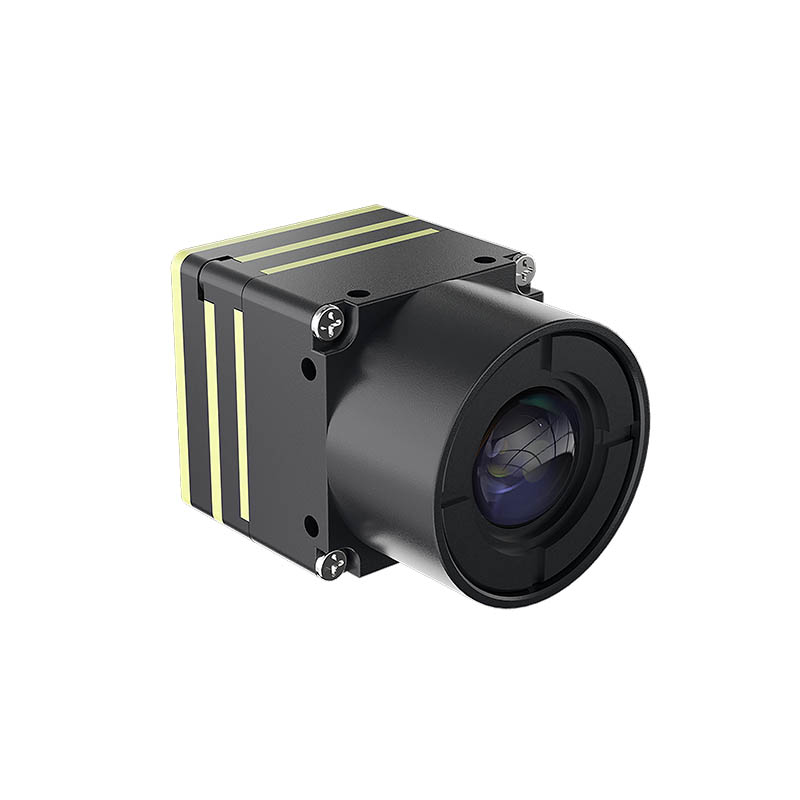
As industrial monitoring demands continue to grow in complexity, infrared thermal modules are becoming essential components for industrial instrument manufacturers developing next-generation sensing, diagnostic, and automation systems. In 2026, the infrared market is expected to expand rapidly as industrial instruments require higher stability, stronger environmental adaptability, and more reliable temperature data acquisition. For OEMs building advanced monitoring products, thermal modules deliver consistent thermal measurement performance independent of lighting conditions. These capabilities enhance long-term system reliability and improve real-time analytics. They also support AI-driven anomaly detection and automated diagnostics, strengthening the overall performance of industrial monitoring systems. Integrating a high-resolution SE5 thermal module into industrial devices provides instrument manufacturers with stronger hardware stability, higher integration value, and real-time thermal insights that enable predictive maintenance and long-term operational reliability.

How SE5 Thermal Modules Empower Industrial Instruments?
Infrared thermal modules play a central role in industrial instruments that operate in high-temperature zones, low-visibility environments, or complex production lines where optical cameras are limited. Their ability to capture detailed thermal signatures allows instruments to maintain stable measurement accuracy across a wide range of environmental conditions.
For OEMs, integrating the SE5 thermal module provides several clear engineering advantages:
- High-resolution thermal imaging: 1280 × 1024, ≤40 mK NETD for precise diagnostics
- Improved measurement stability: Maintains accuracy in darkness and harsh environments
- Reduced development risk: Mature module architecture combined with a full SDK and command set accelerates prototyping and time-to-market
- Broad platform compatibility: Supports most mainstream platforms for flexible integration
- Seamless machine vision integration: Enhances defect detection and enables thermal-based anomaly identification
When combined with machine vision systems, thermal data strengthens anomaly detection by revealing heat-based patterns invisible to optical sensors. This gives OEMs more stable data inputs for industrial monitoring under variable lighting or fluctuating thermal conditions.
| Technical specifications | SE5 Thermal Module |
| Resolution | 1280×1024 |
| Detector frame rate | Imaging at 50Hz (temperature measurement at 30hz) |
| Pixel pitch | 12um |
| NETD | ≤40mK@25°C,F#1.0, 25Hz |
How Do Thermal Modules Enable Predictive Maintenancefor OEMs?
Predictive maintenance has become a priority for industrial monitoring OEMs seeking to reduce downtime and enhance asset health. Infrared thermal modules deliver actionable temperature insights that support early fault detection and long-term system performance. These advantages allow OEMs to design instruments with embedded predictive-maintenance capabilities.
For devices deployed in the field, thermal modules offer measurable system benefits:
- Detect overheating in motors, bearings, electrical components, and rotating machinery
- Identify subtle thermal anomalies long before failures occur
- Enable non-contact, continuous monitoring for enclosed or remote systems
How Do Thermal Modules Drive Industrial Automation?
Industrial automation continues to push for higher sensing precision, lower failure rates, and more adaptive decision-making. Industrial automation with thermal technology strengthens these goals by providing dependable heat-based detection for automated equipment, robotics, and inspection systems.
For OEMs, thermal modules contribute to automation development in several ways:
- Enhanced process visibility: Thermal data captures defects and anomalies invisible to the human eye or traditional cameras.
- Automated quality assessment: Heat patterns reveal production issues in welding, forging, coating, and material processing.
- Stable performance in demanding environments: Thermal modules remain unaffected by ambient light changes.
As automation systems integrate AI models, applications of infrared thermal modules in automation allow algorithms to incorporate thermal variations into decision workflows, producing more reliable and robust industrial operations.
Infrared thermal modules are becoming essential for OEMs seeking reliable, high-precision industrial monitoring and automation solutions. By integrating thermal sensing, OEMs can enhance system stability, reduce maintenance risks, and support AI-driven insights. As the 2026 infrared market grows, these modules enable smarter, more resilient, and data-driven industrial instruments, offering clear competitive advantages.
About Raytron Microelectronics
Raytron Microelectronics, a wholly-owned subsidiary of Raytron Technology Co., Ltd., is a leader in uncooled infrared thermal imaging. With full-stack capabilities from IC and MEMS sensor design to system integration, we deliver high-performance infrared solutions for industrial monitoring, wildfire prevention, outdoor night vision, consumer electronics, and intelligent sensing. Guided by our mission, “To Create Incremental Value for Customers with Technological Advancements”, we continue to drive innovation and empower smarter, safer, and more efficient systems worldwide.
For more on the Raytron Microelectronics program, visit:https://www.raytron-microelectronics.com/contact-us