
As global energy infrastructure accelerates toward electrification, automation, and digitalization, asset reliability and operational safety have become top priorities for power utilities and energy-intensive industries. Undetected heat buildup in electrical equipment can lead to energy losses, unplanned outages, equipment failure and serious safety risks—making thermal visibility a foundational capability in modern energy asset management.
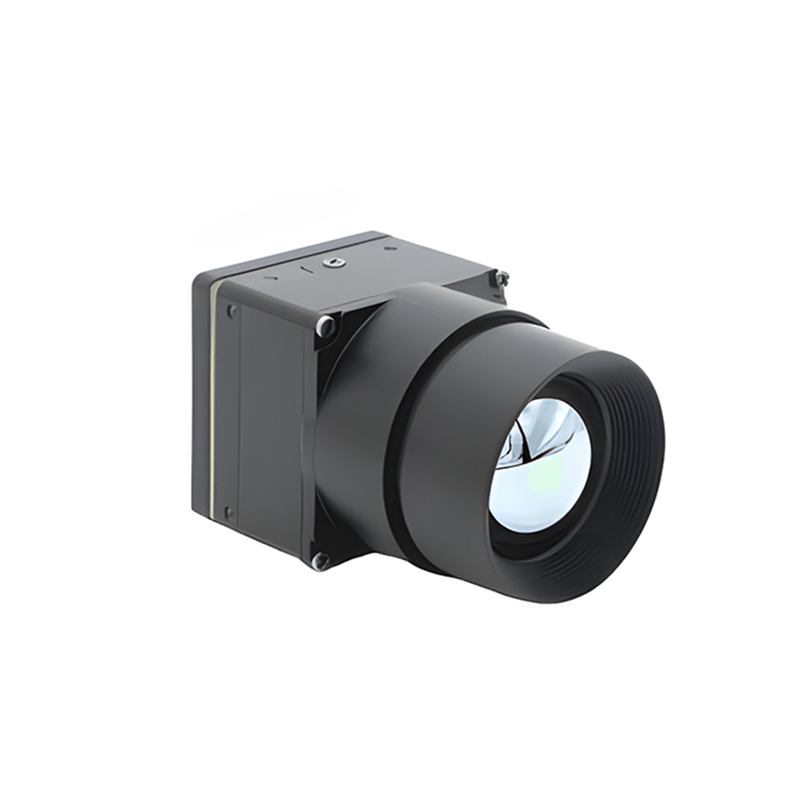
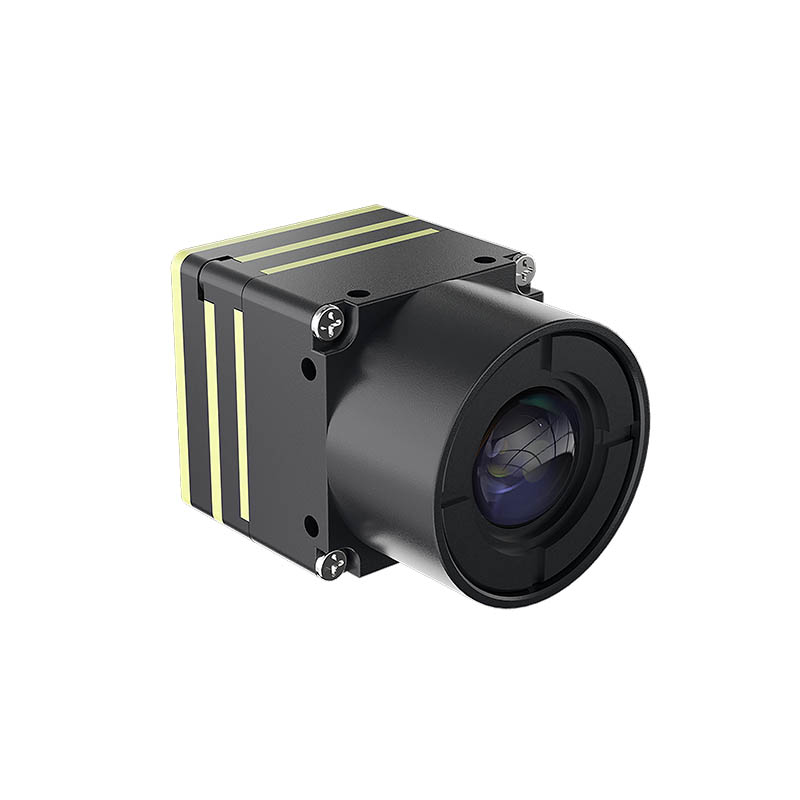
From substations and switchgear to automated production environments with high electrical loads, LWIR infrared camera cores and thermal imaging modules enable continuous, non-contact monitoring by directly sensing emitted heat. By integrating high-sensitivity thermal imaging sensors, operators can identify abnormal thermal patterns long before failures occur, supporting safer, more efficient, and data-driven energy operations.
Traditional Temperature Measurement vs. LWIR Thermal Imaging
The growing adoption of thermal imaging across the energy sector is driven by the need for 24/7 condition monitoring and early fault detection. Unlike traditional temperature sensors or visible-light cameras, LWIR thermal imaging sensors detect heat radiation directly, allowing reliable operation in low-light, dusty, or harsh industrial environments.

How Does TC2-C Infrared Core Empower Electrical Monitoring?
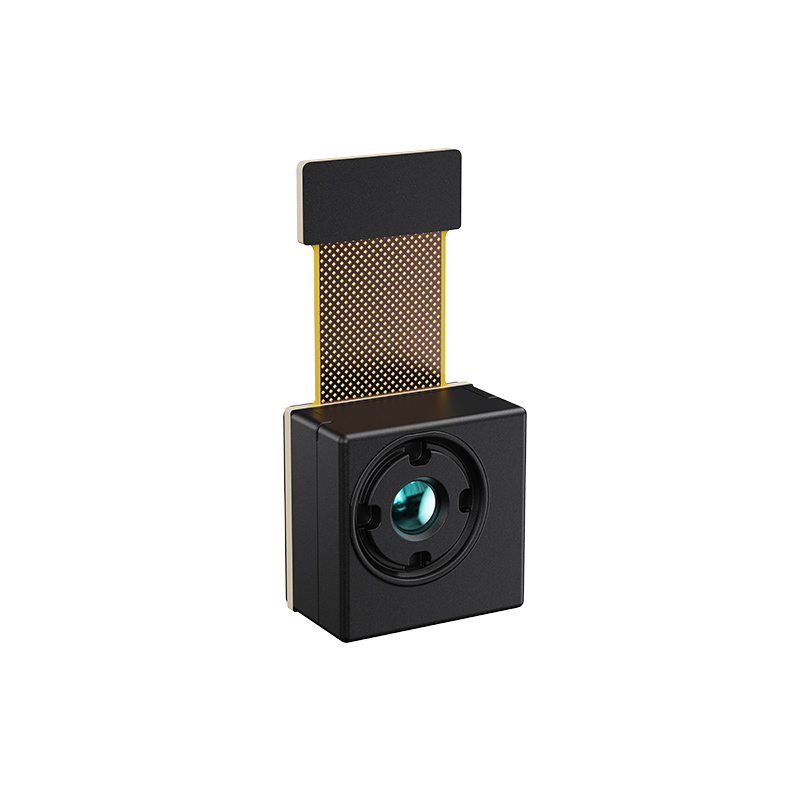
Designed for energy and power applications, the TC2-C LWIR infrared camera core integrates a high-performance thermal camera sensor to deliver accurate temperature measurement at the device level. It enables system integrators and OEMs to detect hotspots associated with loose connections, overloaded components, insulation degradation, and aging equipment—issues that can escalate into cascading failures if left unaddressed.
With a resolution of 256 × 192 pixels and a NETD below 50 mK, the TC2-C thermal imaging sensor provides the sensitivity required to identify subtle thermal anomalies in electrical assets. Its wide operating temperature range, from -45°C to 85°C, supports stable deployment across both indoor industrial facilities and outdoor energy infrastructure. As energy systems continue to evolve, thermal imaging is no longer a supplementary inspection tool—it is becoming a core sensing layer for intelligent energy asset monitoring.
4 Key Applications of TC2-C LWIR Cores for electrical monitoring
As a compact and highly integrated LWIR infrared camera core, TC2-C thermal camera module can be embedded into a wide range of fixed, mobile, and automated energy monitoring systems, including:
- Power Distribution and Switchgear Monitoring
Thermal monitoring of breakers, busbars, cable joints, and electrical cabinets enables early detection of abnormal heating, helping prevent outages and reduce energy losses.
- Substation and Transformer Inspection
Integrated into fixed or robotic inspection systems, TC2-C thermal camera sensor supports continuous monitoring of transformers, insulators, and high-voltage connections in substations and utility environments.
- Energy-Intensive Industrial Facilities
By monitoring motors, drives, and high-power equipment, thermal imaging helps reduce inefficiencies, prevent downtime, and optimize operational performance.
- Energy Storage and Fire Risk Reduction
In battery energy storage systems (BESS), lithium battery warehouses, and charging infrastructure, early thermal detection supports proactive risk mitigation before critical thresholds are reached.
These applications highlight how thermal imaging modules and infrared camera cores are becoming essential sensing components in intelligent energy monitoring architectures.
Simplifying OEM Integration for Energy Monitoring Systems
The TC2-C infrared camera core and thermal imaging module are designed for seamless integration into OEM energy monitoring platforms. Support for standard interfaces such as USB, DVP, and Camera Link, along with a comprehensive SDK, enables rapid deployment across inspection robots, handheld devices, fixed monitoring stations, and edge computing systems.
Thermal image processing is handled by ASIC-based onboard algorithms, supporting consistent image output and long-term operational stability. While the core processing workflow remains fixed for reliability, parameters such as brightness and contrast can be adjusted to meet different application requirements. In addition, raw data output from the LWIR thermal imaging sensor is supported, giving developers flexibility to integrate TC2-C into customized analytics pipelines or machine vision systems for advanced energy diagnostics.

Preductive Maintenance and Long-Term Asset Value
One of the most significant advantages of deploying TC2-C LWIR infrared camera cores is their role in enabling predictive maintenance strategies for energy infrastructure. By continuously analyzing thermal data trends, operators can detect early indicators of equipment degradation and plan maintenance proactively—rather than responding to unexpected failures.
This predictive approach helps minimize unplanned downtime, extend asset lifecycles, and reduce maintenance costs. It also supports improved system efficiency by identifying energy losses caused by overheating or abnormal operation.
As energy infrastructure continues its transition toward smarter and more automated systems, LWIR thermal imaging sensors and infrared camera cores like TC2-C play a critical role in enhancing reliability, safety, and operational efficiency—reinforcing their position at the core of modern energy asset management strategies.
About Raytron Microelectronics
Raytron Microelectronics, a wholly-owned subsidiary of Raytron Technology Co., Ltd., is a leader in uncooled infrared thermal imaging. With full-stack capabilities from IC and MEMS sensor design to system integration, we deliver high-performance infrared solutions for industrial monitoring, wildfire prevention, outdoor night vision, consumer electronics, and intelligent sensing. Guided by our mission, “To Create Incremental Value for Customers with Technological Advancements”, we continue to drive innovation and empower smarter, safer, and more efficient systems worldwide. For more on the Raytron Microelectronics program, visit: https://www.raytron-microelectronics.com/contact-us