
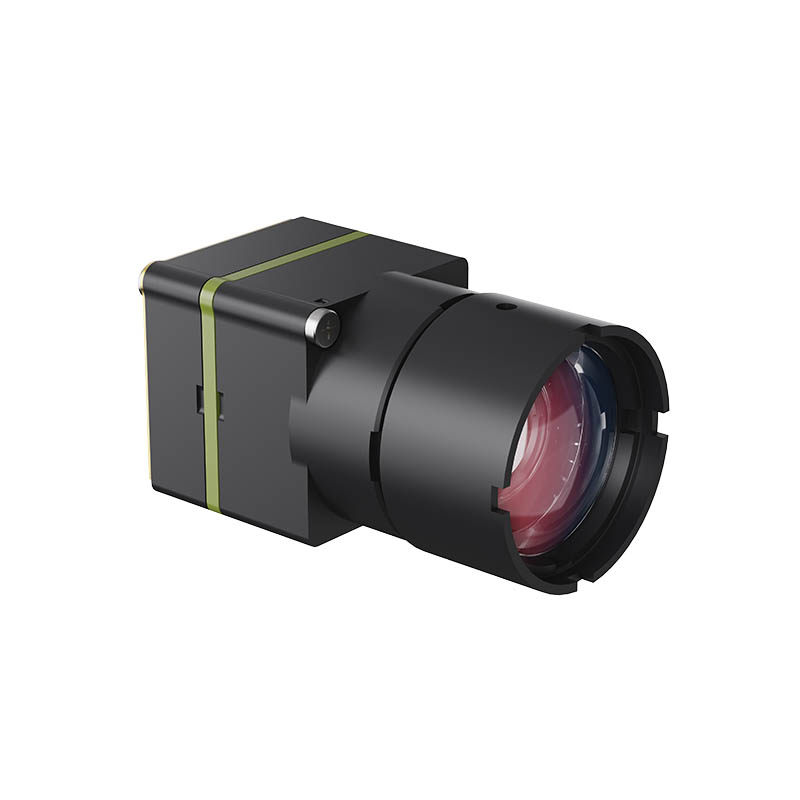
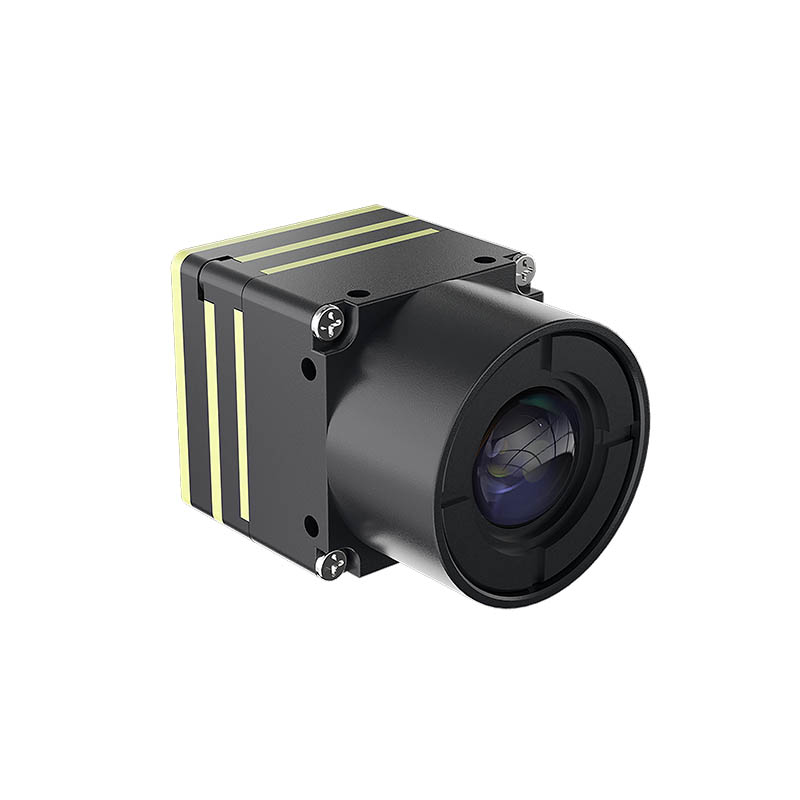
The use of infrared thermal modules for industrial applications has become a core technology in industrial applications. As manufacturers pursue higher efficiency, accuracy, and reliability, traditional visible light cameras are often limited in their performance in low-light or high-temperature environments. Thermal modules can access key advantages such as more accurate detection, high reliability in harsh environments, predictive maintenance and cost optimization.
Why Are Thermal Modules Crucial for Machine Vision?
With the rapid development of industrial automation and machine vision technology, companies are increasingly demanding high-precision inspection and equipment stability. Traditional testing methods are often affected by lighting, environmental, or temperature factors in complex environments, whereas infrared thermal modules are becoming a key technology to overcome these limitations.
- Accurate Detection Beyond Visible Light: Compared with a traditional camera, a thermal module for machine vision for OEMs in manufacturing can detect defects that are invisible to the human eye. For example, in electronic assembly or metal processing, even a slight temperature deviation could indicate a serious manufacturing issue.
- High Reliability in Harsh Environments: Traditional optical systems perform poorly in dusty, dark, or reflective environments, while infrared thermal modules are unaffected by factory conditions and lighting. This makes them an ideal choice for industrial automation with thermal technology, especially in high-stability environments such as continuous production lines, robotic inspection, or automated welding.
- Predictive Maintenance and Low Cost: For OEMs, predictive maintenance is one of the most valuable advantages. Thermal modules for machine vision can continuously monitor the temperature variations of motors, bearings, or power components. When these advanced thermal modules are integrated into these machine vision systems, they can identify potential faults before they occur, reducing unplanned downtime, optimizing maintenance schedules, and lowering energy consumption.

What Are the Key Machine Vision Applications for Thermal Modules?
With the rapid development of intelligent manufacturing, thermal modules have become increasingly important across various industries. Thermal modules enhance industrial efficiency and equipment reliability through precise temperature monitoring and real-time data analysis.
Electronic and Semiconductor Manufacturing: In manufacturing, thermal imaging systems are essential for monitoring PCB solder joints, power modules, and integrated circuits, as thermal images can reveal issues such as poor soldering, component overload, or insufficient heat dissipation.
Automotive and Vehicle Manufacturing: In automotive manufacturing, infrared sensor applications in automation are used to detect defects in battery packs, brake systems, and engine components. Thermal imaging technology ensures consistency and safety during the assembly and testing stages.
Smart Factories and Robotic Systems: As smart factories evolve, robots equipped with thermal modules can perform automated inspections, temperature monitoring, and material assessments. These systems provide real-time temperature data, enabling AI-driven production analysis and decision-making.
What Are the Benefits of Using the WN2 Thermal Modulefor OEMs?
Integrating WN2 thermal modules into machine vision systems provides OEMs with a significant competitive advantage:
- Easy Integration: With a compact design and standard digital interfaces, the WN2 640 thermal module, including digital video outputs: DVP/BT656/USB2.0/MIPI, and communication interfaces supporting UART/I2C/USB2.0, can be easily integrated.
- High Resolution: When combined with thermal imaging systems in manufacturing, the predictive analysis capabilities of the WN2 thermal module help reduce operational costs, improve production continuity, and promote energy efficiency and sustainable development.
| Technical specifications | WN2 640 |
| Resolution | 640×512 |
| Detector frame rate | 30/60Hz |
| Pixel pitch | 12um |
| NETD | ≤40mK@25°C,F#1.0, 25Hz |
As industries move toward greater intelligence and automation, the integration of infrared thermal modules into machine vision systems is driving innovation in inspection and maintenance methods. Whether it’s predictive maintenance for OEMs, real-time quality monitoring, or energy efficiency optimization, thermal sensors are redefining the possibilities of industrial automation. By 2025 and beyond, thermal modules will continue to be a key force for OEMs in building intelligent, data-driven, and highly reliable machine vision solutions.
About Raytron Microelectronics
Raytron Microelectronics, a wholly-owned subsidiary of Raytron Technology Co., Ltd., is a leader in uncooled infrared thermal imaging. With full-stack capabilities from IC and MEMS sensor design to system integration, we deliver high-performance infrared solutions for industrial monitoring, wildfire prevention, outdoor night vision, consumer electronics, and intelligent sensing. Guided by our mission, “To Create Incremental Value for Customers with Technological Advancements”, we continue to drive innovation and empower smarter, safer, and more efficient systems worldwide.For more on the Raytron Microelectronics program, visit:https://www.raytron-microelectronics.com/contact-us