
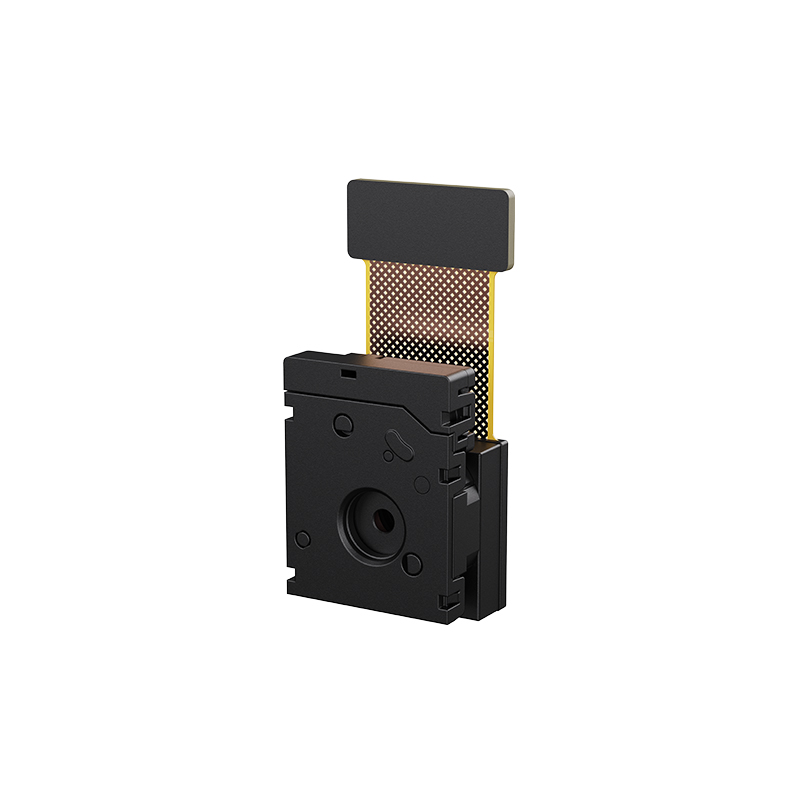
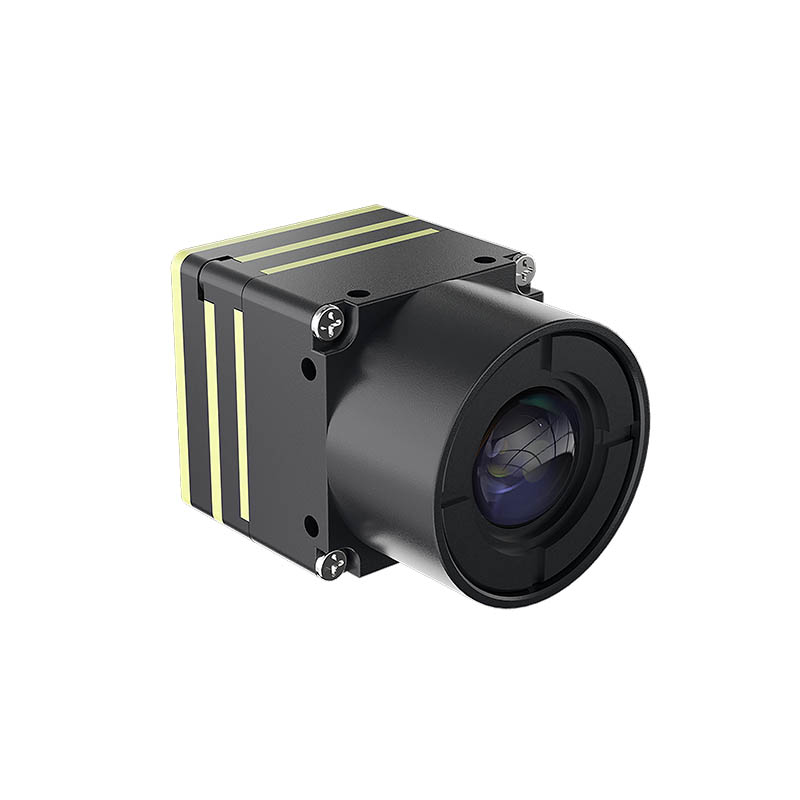
Choosing the right thermal imaging core is essential for the competitiveness of terminal equipment. Significant differences in the technical solutions of infrared thermal sensors require an in-depth understanding of the technology, going beyond surface-level parameters to make informed decisions.
What Are the Key Specifications for Selecting the Best Thermal Modules for OEMs?
1.NETD
NETD is a core indicator for measuring the temperature difference detection capability of infrared thermal sensors. Raytron Microelectronics’ WN series, with a NETD ≤40mK, ensures precise temperature measurements and delivers high-quality thermal images. Widely integrated in thermal imaging commercial drones, lightweight drones, outdoor monitoring cameras, and more, it provides reliable temperature detection and clear thermal images, even in harsh environments.
2.Frame Rate
The frame rate is influenced by the infrared thermal sensor response, readout circuit bandwidth, and image processing capabilities. Raytron Microelectronics’ thermal modules offer frame rates ranging from 25Hz to 60Hz.
• 8-15Hz: Suitable for static scenes
• 25-30Hz: Suitable for general scenes
• 50-60Hz: Optimized for dynamic scenes, such as ADAS (Horus 640-B)
3.Interface Type
The interface type of thermal detectors not only determines the data transmission method but also directly affects the OEM system’s integration difficulty, development cycle, and hardware cost.
When choosing the interface, OEMs should consider three key factors:
• Transmission rate requirements
• Integration space
• Development costs
For example, industrial monitoring systems may prefer interfaces that support long-distance transmission and are easy to network. The WN series offers a variety of interface options, including DVP, BT656, USB 2.0, and MIPI. When upgrading and renovating traditional equipment, manufacturers may pay more attention to interface compatibility and short development cycles.
4. Power Consumption
When selecting thermal modules, OEMs need to make informed choices based on the power supply method of the terminal equipment:
• Battery-powered devices (such as UAVs equipped with thermal sensors): it is recommended to choose low-power thermal modules, such as the TC2 series, which uses low-power image processing ASIC chips with a power consumption of 280mW, ensuring extended operation time on a single charge.
• Wired-powered devices(such as infrared thermal sensor for industrial monitoring and ADAS): power consumption can be increased to ≤500mW. However, it is crucial to control the core temperature rise (≤30°C) to prevent interference with the normal operation of surrounding electronic components.
What Infrared Thermal Modules’ Core Parameters Are Crucial for Different Application Scenarios?

1.Industrial Equipment Fault Detection
It is recommended to choose the TC2 series infrared thermal imaging module, which has a NETD < 50mK to ensure accurate temperature difference detection. The 12μm pixel pitch improves spatial resolution, and the 256×192 resolution with a frame rate of ≤25Hz ensures high-quality thermal imaging. After integrating the provided SDK, rapid deployment of a wide range of features is enabled.
2. ADAS
It is recommended to use the Horus640-B, with a NETD ≤ 40mK (Vox material), a frame rate of 30-60Hz, and an interface of MIPI/DVP YUV422 8-bit, making it suitable for high-speed dynamic target detection. Its low latency and operating temperature range of -40°C to +85°C ensure stability under various temperature and environmental conditions
3.Thermal Drones Search and Rescue
• The SE5 series infrared thermal module uses the LY300 chip, featuring a compact size, lightweight design, and low power consumption, making it easy to carry and install. It has a NETD ≤ 40mK, a resolution of 1280×1024, and supports interfaces such as DVP, BT1120, MIPI, and USB3.0 for real-time data transmission.
• The WN2 series infrared thermal module: With an ultra-compact size of 21mm x 21mm and extremely low power consumption, it features a dedicated infrared thermal imaging processing ASIC chip. Multiple resolutions are available (640×512/384×288/256×192). Additionally, different image modes can be selected for various scenarios. The module offers a variety of interfaces, including DVP/BT656/USB2.0/MIPI/CVBS.
When selecting infrared thermal sensors, OEMs should not only compare parameter values but also balance performance, cost, and technical principles based on the actual application requirements. When choosing NETD, it is important to consider test conditions and material TCR characteristics to ensure temperature difference detection accuracy. Frame rate should be matched with the sensor’s response speed and image processing capacity to control system latency. When choosing an interface, factors such as transmission speed, integration difficulty, and deployment convenience should be considered to ensure optimal system performance.
About Raytron Microelectronics
Raytron Microelectronics, a wholly-owned subsidiary of Raytron Technology Co., Ltd., is a leader in uncooled infrared thermal imaging. With full-stack capabilities from IC and MEMS sensor design to system integration, we deliver high-performance infrared solutions for industrial monitoring, wildfire prevention, outdoor night vision, consumer electronics, and intelligent sensing. Guided by our mission, “To Create Incremental Value for Customers with Technological Advancements”, we continue to drive innovation and empower smarter, safer, and more efficient systems worldwide.For more on the Raytron Microelectronics program, visit:https://www.raytron-microelectronics.com/contact-us