
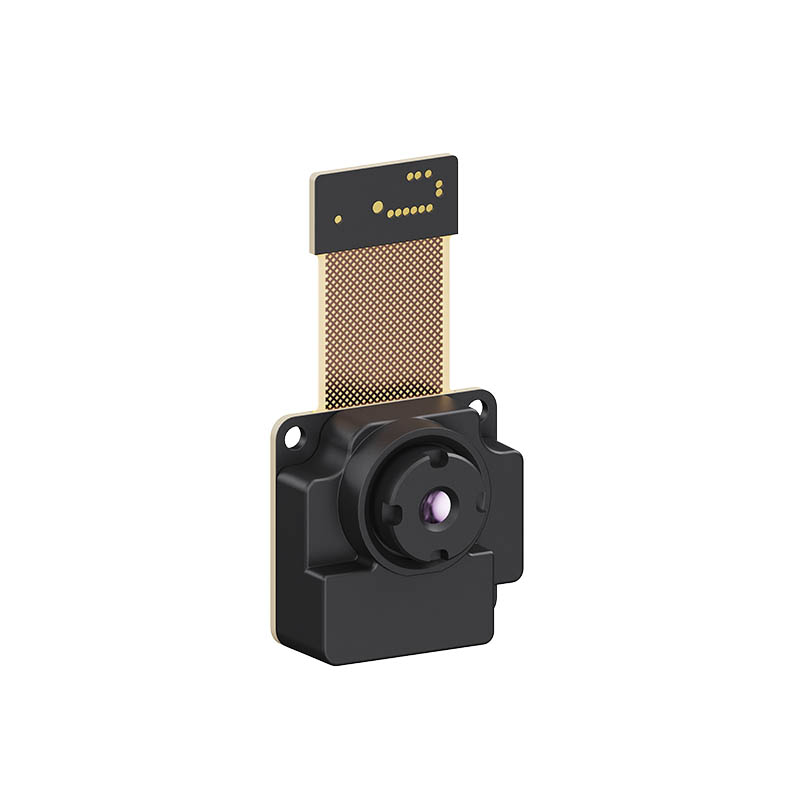
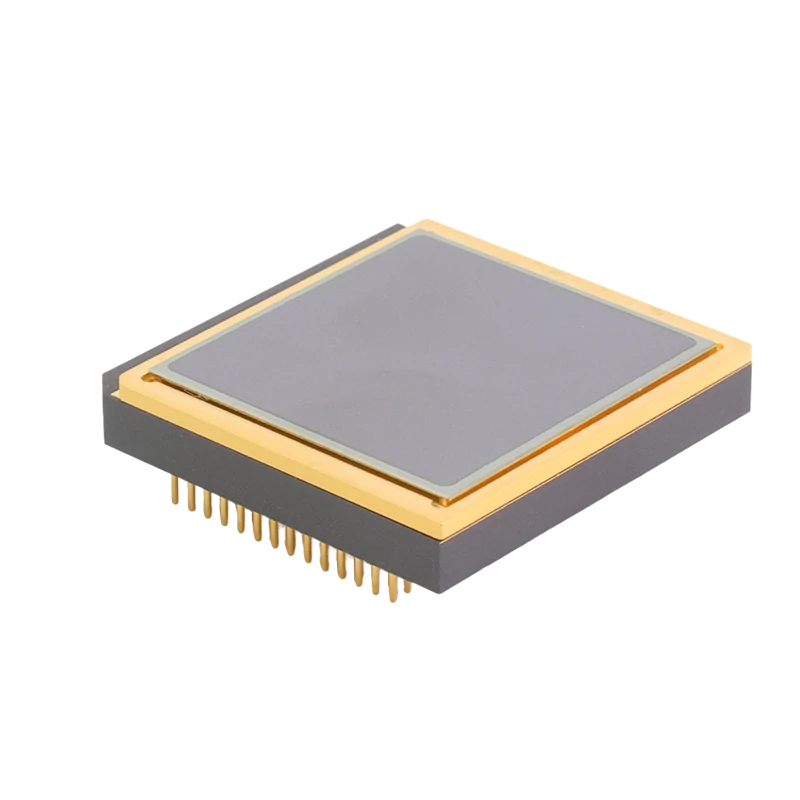
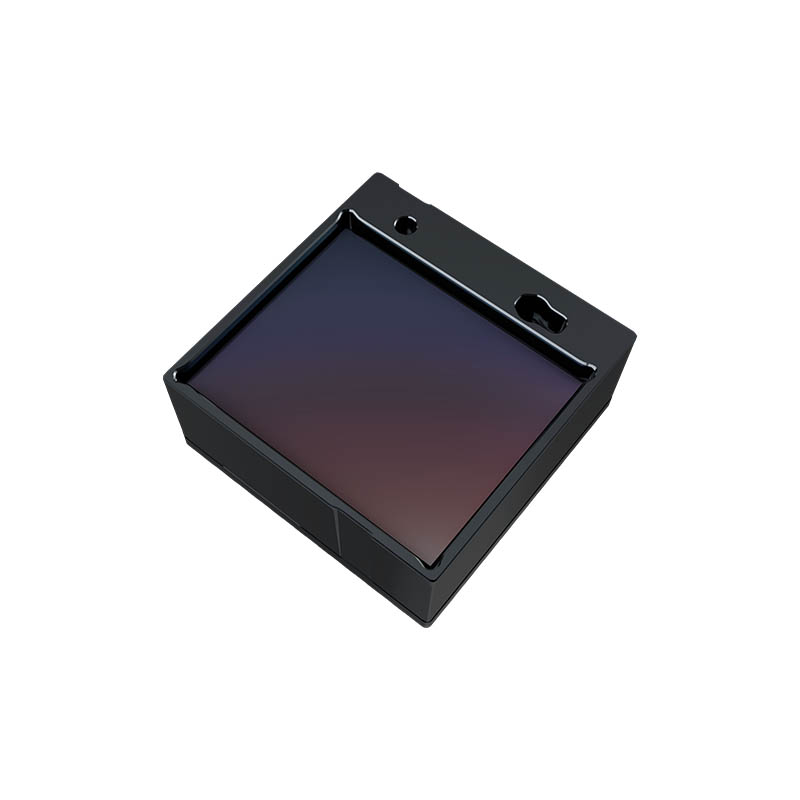
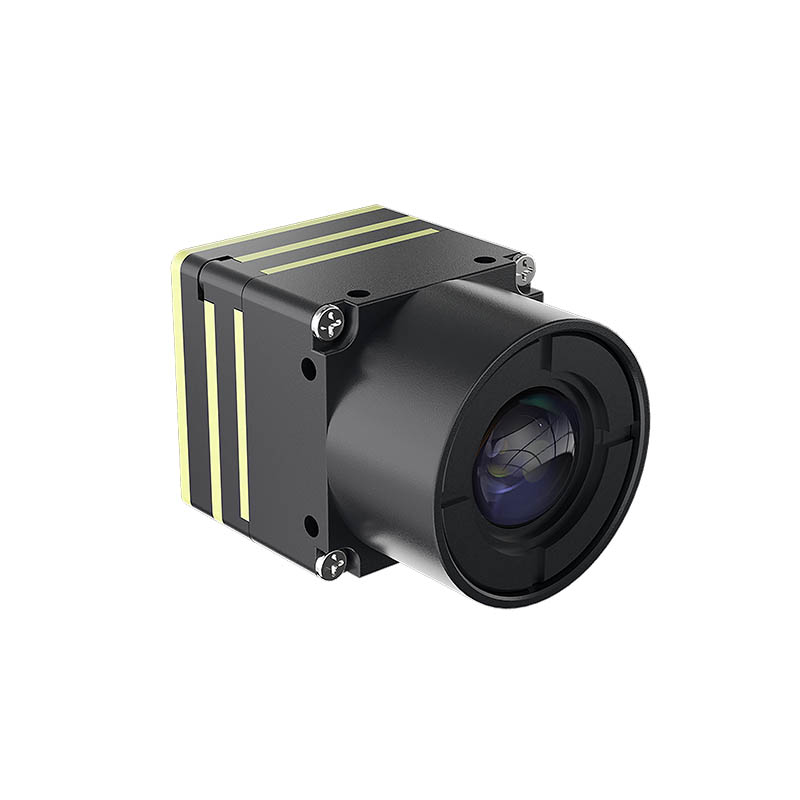
Thermal sensors are the heart of infrared thermal imaging equipment and are generally categorized into two types: uncooled and cooled. These two types differ significantly in terms of structure, applications, cost, and core imaging performance. For two types of thermal sensors, selecting the appropriate sensor type is critical to ensuring system performance and cost-efficiency.
What Is An Uncooled Infrared Thermal Sensor?

Uncooled thermal sensors work at ambient temperature. They typically detect thermal differences in the range of 30–50mk, with a typical NETD (Noise Equivalent Temperature Difference) ranging from 30 to 50 mK, equivalent to a detectable temperature difference of 0.03°C to 0.05°C. Uncooled thermal sensors are low-cost and compact, making them ideal for handheld or miniaturized devices. They are widely used in industrial temperature measurement, security systems, ADAS and other thermal imaging applications.

What Is A Cooled Infrared Thermal Sensor?
The cooled thermal sensor’s cooling system delivers significant improvements in imaging resolution and sensitivity. It can detect temperature differences of less than 0.02°C making it suitable for high-budget, high-performance applications. The integrated cooling mechanism increases system size compared to uncooled sensors, but it can provide high-performance infrared thermal sensing and is compatible with long-focus lenses.
Uncooled vs Cooled Infrared Thermal Sensors: Making the Best Choice
Uncooled and cooled thermal sensors each have unique advantages. Choosing the right type should depend on application scenarios, project budget, performance requirements, and equipment conditions to ensure optimal imaging performance and cost-efficiency. Uncooled sensors are cost-effective, have low operating costs, and require minimal maintenance, making them ideal for most commercial and industrial uses. They perform well in rugged environments and are suitable for applications like building inspection, ADAS, and security monitoring due to their compact size, low power consumption, and quick startup. Cooled sensors, while more expensive and maintenance-intensive, deliver superior performance. They are suitable for long-range detection and high-speed, high-frequency imaging, but require a warm-up time and servicing after 10,000–15,000 operating hours.
With scientific assessment and proper selection, users can fully leverage the value of infrared thermal imaging systems. Additionally, both types of sensors are evolving toward miniaturization, intelligence, and cost-effectiveness. As the performance of infrared detectors continues to improve, thermal imaging systems are gradually being applied to more intelligent fields, such as smart cities, intelligent transportation, and the Internet of Things. Raytron Microelectronics continues to lead the trend toward miniaturization and intelligence in infrared thermal imaging.
About Raytron Microelectronics
Raytron Microelectronics, a wholly-owned subsidiary of Raytron Technology Co., Ltd., is a leader in uncooled infrared thermal imaging. With full-stack capabilities from IC and MEMS sensor design to system integration, we deliver high-performance infrared solutions for industrial monitoring, wildfire prevention, outdoor night vision, consumer electronics, and intelligent sensing. Guided by our mission, “To Create Incremental Value for Customers with Technological Advancements”, we continue to drive innovation and empower smarter, safer, and more efficient systems worldwide.For more on the Raytron Microelectronics program, visit:https://www.raytron-microelectronics.com/contact-us