
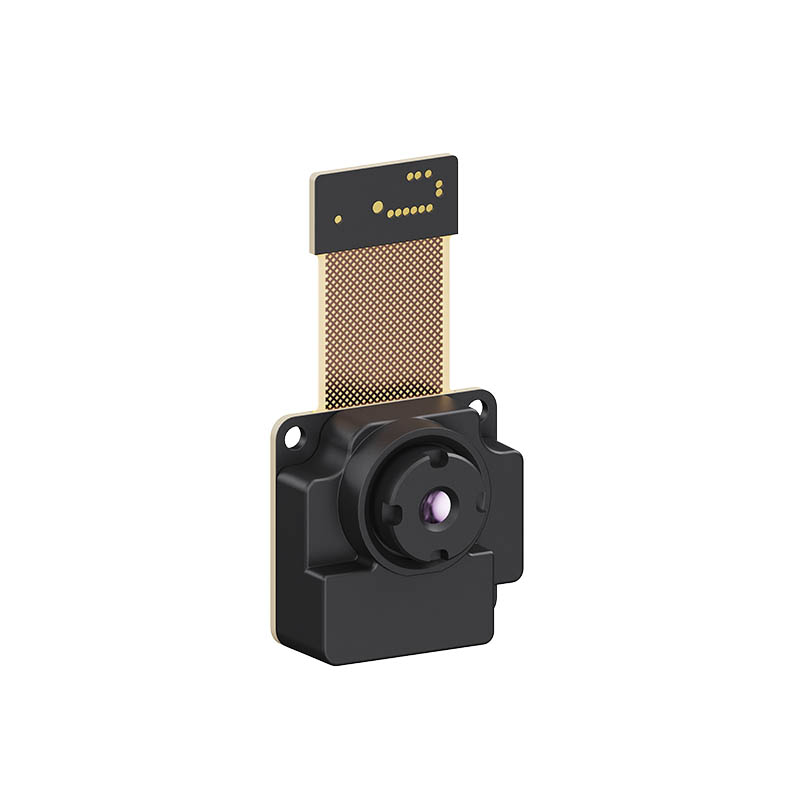
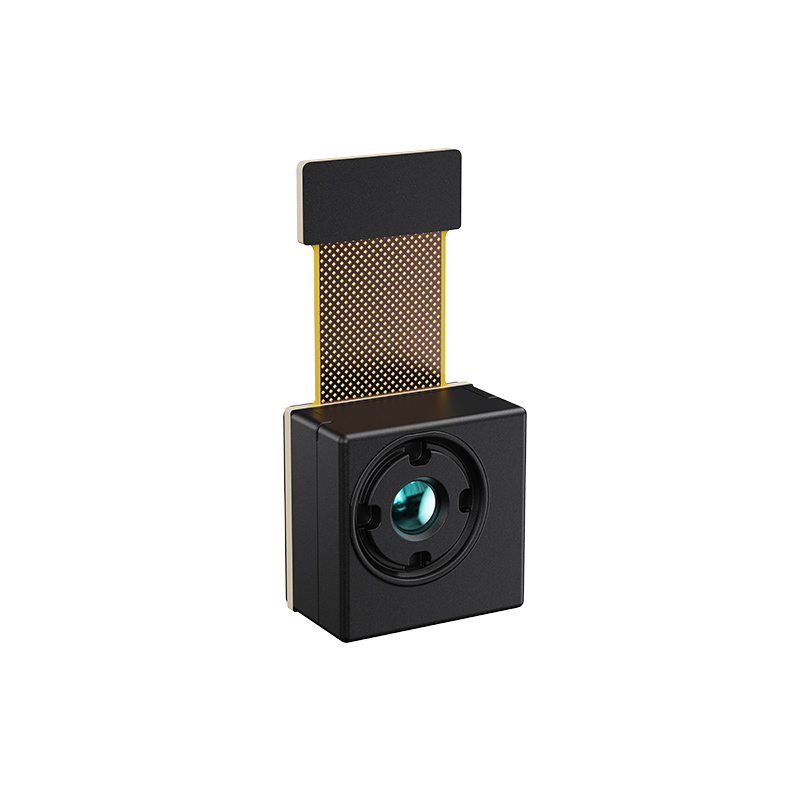
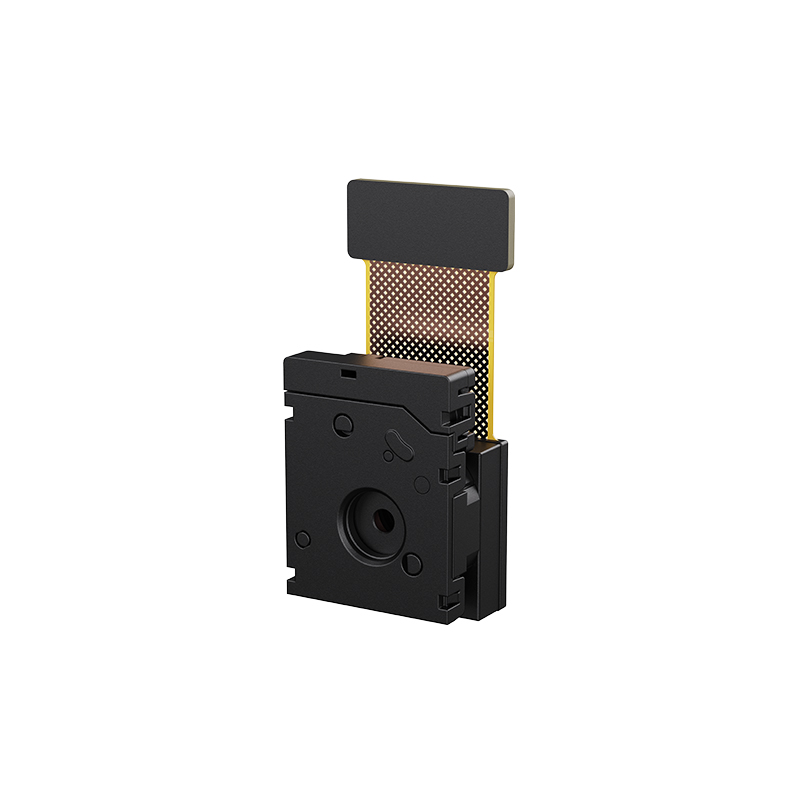
Thermal camera sensors play a crucial role in thermal imaging technology, providing accurate detection and visualization of heat patterns. These sensors are the foundation of thermal cameras, enabling a wide range of applications from industrial inspections to medical diagnostics. In this article, we will explore the fundamentals of thermal camera sensors, their types, and their diverse applications.
What Is a Thermal Camera Sensor?
A thermal camera sensor detects infrared radiation emitted by objects. This radiation, which is invisible to the human eye, is converted into a thermal image that represents temperature variations. Unlike conventional cameras, thermal sensors work regardless of lighting conditions, making them invaluable in low-visibility environments.

How Do Thermal Camera Sensors Work?
Thermal camera sensors function by detecting infrared energy and translating it into electrical signals. These signals are then processed to create a thermal image. The precision of this process depends on the sensor’s resolution and sensitivity. Higher resolution sensors provide more detailed images, while increased sensitivity ensures accurate detection of minor temperature differences.

Applications of Thermal Camera Sensors
Thermal camera sensors are versatile and find use in numerous fields, including:
- Industrial Inspections: Thermal imaging sensors help detect anomalies in machinery, pipelines, and electrical systems. They enable early identification of issues like overheating and leaks, preventing costly downtime and accidents.
- Medical Diagnostics: In healthcare, thermal sensors are used for non-invasive temperature monitoring and diagnostics. They assist in identifying inflammation, circulatory issues, and other medical conditions.
- Environmental Monitoring: Thermal sensors contribute to monitoring environmental changes. They are used in wildlife observation, conservation efforts, and climate research to track temperature variations and patterns.
- Security and Monitoring: Thermal imaging is widely applied in security systems for detecting intruders and monitoring perimeters. These sensors work effectively in complete darkness or challenging weather conditions.
- Automotive Systems:Infrared sensors enhance driver assistance systems by detecting obstacles and pedestrians in low-visibility scenarios. They play a key role in improving vehicle safety.
Advantages of Thermal Camera Sensors
Thermal camera sensors offer several benefits:
- Non-Contact Measurement: They measure temperature from a distance without physical contact, ensuring safety in hazardous environments.
- All-Weather Capability: Thermal imaging is unaffected by lighting conditions, making it reliable day and night.
- High Sensitivity: Advanced sensors detect even minute temperature changes, providing precise thermal data.

Choosing the Right Thermal Camera Sensor
When selecting a thermal camera sensor, consider the following factors:
- Resolution: High-resolution sensors produce detailed images, essential for complex inspections.
- Wavelength: Choose a sensor with a wavelength range suitable for your application.
- Integration Flexibility: Ensure the sensor can be easily integrated into different types of thermal cameras.
- Environmental Suitability: Consider the sensor’s performance under specific conditions, such as extreme temperatures or humidity.
Future Trends in Thermal Camera Sensors
As technology advances, thermal camera sensors are becoming more compact and efficient. Emerging trends include:
- Integration with AI: AI-powered thermal imaging enables real-time analysis and decision-making.
- Enhanced Resolution: Developments in sensor technology are improving image quality and accuracy.
- Broader Applications: Thermal sensors are expanding into areas like agriculture, smart homes, and wearable devices.
Thermal camera sensors are pivotal to modern thermal imaging solutions. Their ability to detect and visualize temperature differences makes them indispensable across various industries. As technology evolves, these sensors continue to drive innovation and unlock new possibilities.