
Efficient HVAC/R systems are vital for maintaining indoor comfort and operational functionality in various environments. However, diagnosing issues in heating, ventilation, air conditioning, and refrigeration (HVAC/R) systems can be a time-consuming and complex process. Compact thermal cameras have emerged as indispensable tools, enabling professionals to quickly identify problems and enhance system performance.
The Importance of Troubleshooting in HVAC/R Systems
HVAC/R systems are intricate, with components such as compressors, evaporators, and heat exchangers working together. Malfunctions in these systems can lead to energy inefficiency, increased operational costs, and even system failures. Accurate and timely troubleshooting is crucial for identifying potential issues and ensuring the longevity of the equipment.
Thermal imaging technology allows technicians to visualize temperature variations across system components. By detecting anomalies such as overheated motors, clogged filters, or refrigerant leaks, technicians can address problems promptly and effectively.
Key Features of Compact Thermal Cameras
Compact thermal cameras are designed to be portable and easy to operate. Despite their small size, they provide high-resolution imaging and advanced features that are essential for HVAC/R diagnostics. The following capabilities make them particularly valuable:
- Enhanced Portability: Compact thermal cameras are lightweight and handheld, making them convenient for fieldwork. Their portability ensures that technicians can carry them to various job sites without added bulk.
- High-Resolution Imaging: High-definition thermal sensors embedded in compact cameras allow for detailed visualization of temperature differences. This level of detail is critical for detecting subtle issues within complex HVAC/R systems.
- Real-Time Analysis: Many compact thermal cameras provide real-time temperature data, enabling technicians to make immediate decisions. This reduces downtime and accelerates repair processes.
- Versatile Applications: Compact thermal cameras are versatile tools. They can be used for inspecting electrical panels, ductwork, insulation, and mechanical components, ensuring comprehensive system assessments.
Common HVAC/R Issues Addressed with Thermal Imaging
Thermal cameras simplify the process of identifying common HVAC/R problems. Below are a few examples of how thermal imaging can assist:
1. Detecting Refrigerant Leaks
Refrigerant leaks are a frequent issue in HVAC/R systems. Leaking refrigerant not only reduces cooling efficiency but also poses environmental risks. Thermal cameras can identify temperature anomalies caused by refrigerant escaping into the surrounding environment.
2. Identifying Electrical Overloads
Overloaded circuits or failing electrical components can lead to overheating and potential fire hazards. Thermal cameras help pinpoint hot spots in electrical panels, allowing for timely corrective actions.

3. Analyzing Airflow Issues
Blocked or poorly insulated ducts can cause uneven airflow, reducing system efficiency. By visualizing temperature distribution, thermal cameras enable technicians to locate and address obstructions or insulation gaps.
4. Monitoring Compressor Performance
Thermal imaging can reveal temperature variations in compressors, indicating issues such as lubrication failure or excessive wear. Early detection helps prevent costly repairs or replacements.
Benefits of Using Compact Thermal Cameras
The use of compact thermal cameras offers several advantages for HVAC/R professionals:

- Improved Accuracy: High-resolution imaging ensures precise identification of issues, reducing the likelihood of misdiagnosis.
- Time Efficiency: Quick detection of problems minimizes troubleshooting time, allowing technicians to focus on repairs.
- Cost Savings: Early detection prevents minor issues from escalating, saving on repair costs and energy consumption.
- Enhanced Safety: Thermal cameras help detect potential safety hazards such as overheating electrical components, reducing risks to both technicians and equipment.
Integration of Infrared Thermal Sensors
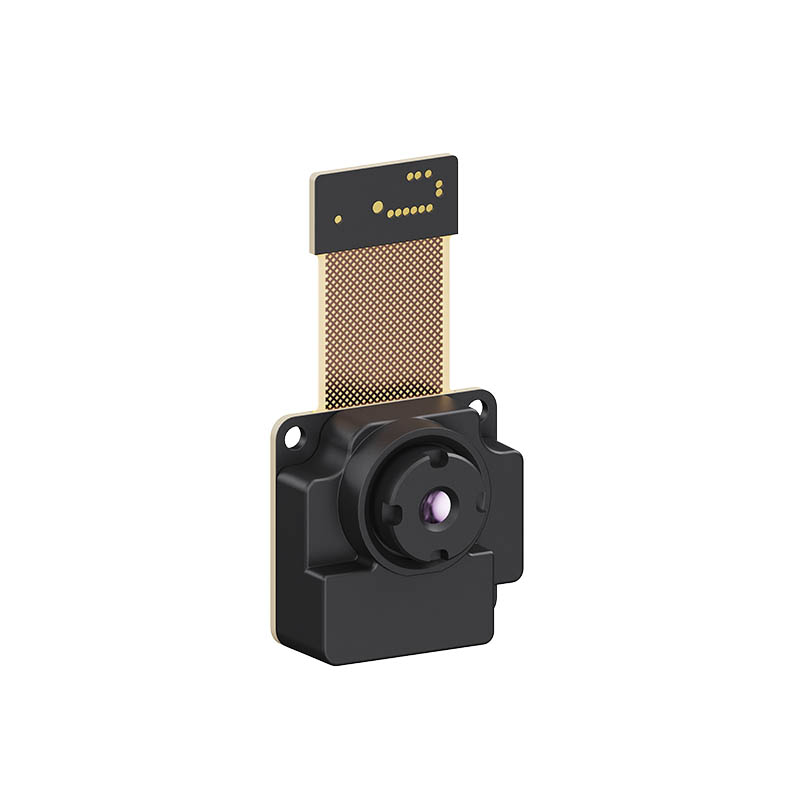
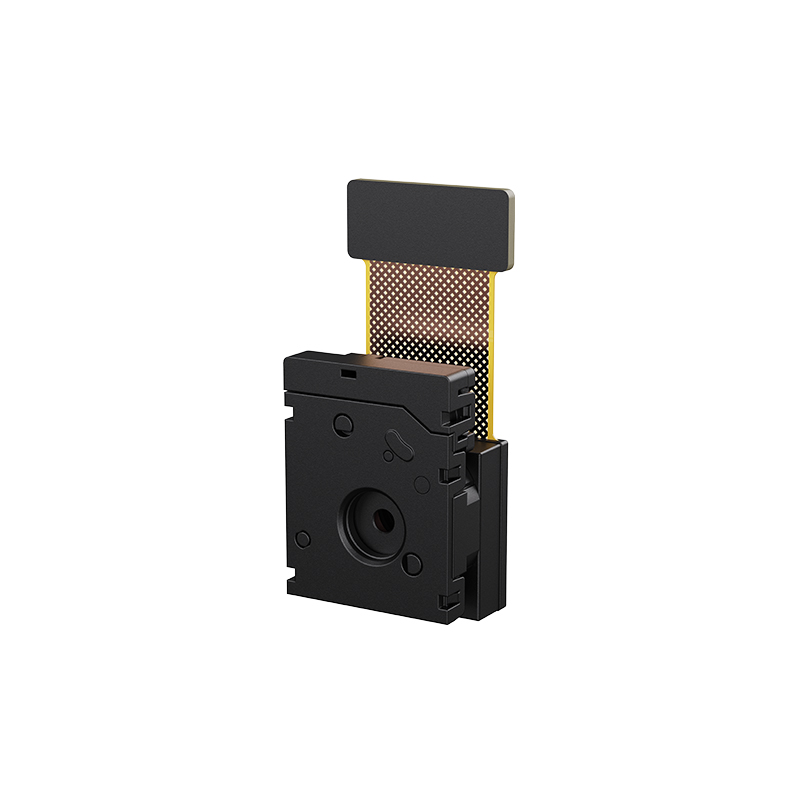
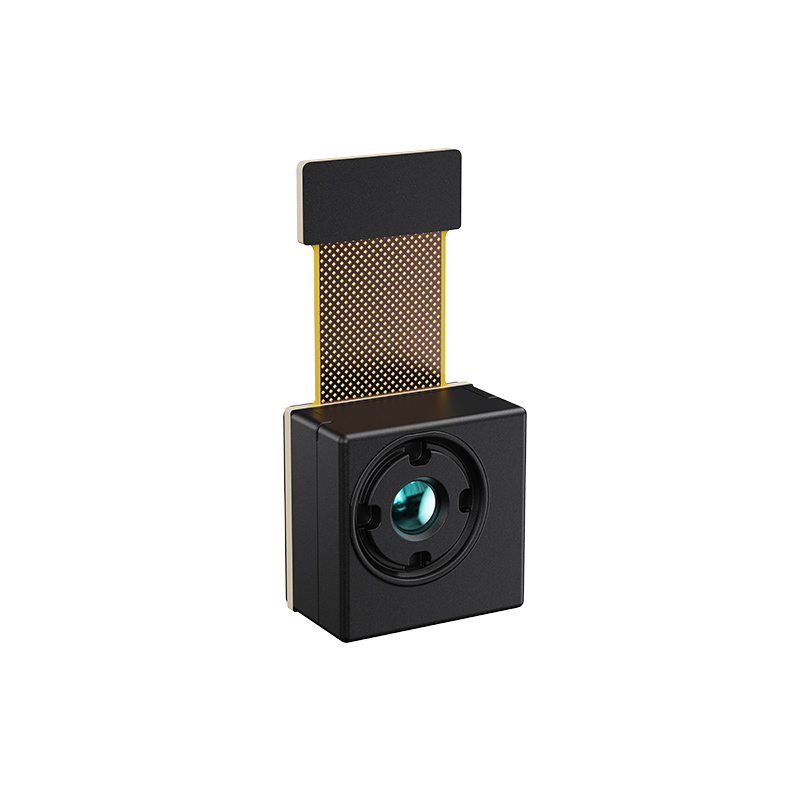
The versatility of infrared thermal sensors allows them to be integrated into a wide range of thermal camera designs. These sensors enable compact cameras to meet the diverse requirements of HVAC/R diagnostics. Whether for portable handheld devices or advanced imaging systems, the adaptability of infrared thermal sensors ensures that the technology remains applicable across various applications.
Choosing the Right Thermal Camera for HVAC/R
When selecting a thermal camera, professionals should consider factors such as resolution, portability, and ease of use. Compact models equipped with advanced thermal sensors are particularly suitable for HVAC/R troubleshooting due to their balance of functionality and convenience.
Additionally, investing in a camera with reliable software support can enhance data analysis and reporting. Look for models that offer real-time data visualization and seamless integration with other diagnostic tools.
Compact thermal cameras are transforming HVAC/R troubleshooting by providing accurate, efficient, and safe diagnostic capabilities. Their advanced features and integration of infrared thermal sensors make them essential tools for professionals in the field. By investing in the right thermal camera, HVAC/R technicians can ensure optimal system performance, reduce downtime, and enhance safety.
About Raytron Microelectronics
Raytron Microelectronics, a wholly-owned subsidiary of Raytron Technology Co., Ltd., is a leader in uncooled infrared thermal imaging. With full-stack capabilities from IC and MEMS sensor design to system integration, we deliver high-performance infrared solutions for industrial monitoring, wildfire prevention, outdoor night vision, consumer electronics, and intelligent sensing. Guided by our mission, “To Create Incremental Value for Customers with Technological Advancements”, we continue to drive innovation and empower smarter, safer, and more efficient systems worldwide.For more on the Raytron Microelectronics program, visit:https://www.raytron-microelectronics.com/contact-us