
Thermography, also known as thermal imaging, is a technology that captures and analyzes the infrared radiation emitted by objects. By converting this information into visible images, thermal cameras reveal temperature variations across surfaces, enabling insights that are invisible to the naked eye. This non-invasive method has revolutionized industries and everyday applications. But what exactly can thermography detect, and how can it benefit you?
Key Applications of Thermography
1. Building Inspections
Thermal imaging is widely used in construction and home inspections. It helps detect:
- Heat Loss and Insulation Issues: Poor insulation, air leaks, and thermal bridges are easily identified, enabling targeted repairs that enhance energy efficiency.
- Moisture Intrusion: Hidden water damage in walls, ceilings, or floors becomes apparent with temperature contrasts.
- Electrical Hazards: Overheating components in wiring systems, circuit breakers, and outlets are detectable before they cause serious issues.
2. Mechanical and Electrical Maintenance
In industrial settings, thermography is an essential tool for predictive maintenance:
- Equipment Monitoring: Machinery showing unusual heat patterns often indicates wear, misalignment, or imminent failure.
- Electrical System Safety: Identifying hotspots in transformers, motors, or switchboards prevents potential downtime or fire risks.

3. Medical Diagnostics
Thermography offers non-invasive diagnostics in healthcare:
- Inflammation Detection: Localized temperature increases often correlate with inflammation, injury, or infection.
- Circulatory Issues: Abnormal temperature patterns help identify vascular problems or other circulatory disorders.
4. Security and Monitoring
Thermal imaging cameras operate effectively in low-light or challenging weather conditions, making them ideal for:

- Intruder Detection: Identifying warm-bodied objects in dark environments or obscured areas.
- Wildlife Monitoring: Tracking animals without disturbing their natural habitat.
5. Environmental and Energy Applications
Thermal imaging contributes to sustainability initiatives by detecting:

- Pipeline Leaks: Infrared thermal sensors in cameras can locate leaks in pipelines transporting gases or liquids.
- Solar Panel Efficiency: Identifying underperforming cells or connection faults in photovoltaic systems ensures optimal energy output.
Benefits of Thermography
Thermal imaging offers numerous advantages across industries and for personal use:
Non-Invasive and Non-Contact
Thermal imaging requires no physical contact with the object being inspected. This feature makes it safe for high-voltage systems, hazardous environments, or sensitive equipment.
Early Problem Detection
By revealing temperature anomalies, thermography allows early intervention before issues escalate. This predictive capability reduces downtime, repair costs, and potential hazards.

Versatility
Infrared thermal sensors integrated into various thermal cameras can cater to different needs—from compact devices for home inspections to advanced models for industrial or medical applications.
Efficiency and Accuracy
Thermal imaging provides immediate and precise data, enabling quick decision-making. Large areas can be scanned rapidly, saving time and labor compared to traditional inspection methods.
How to Get Started with Thermography
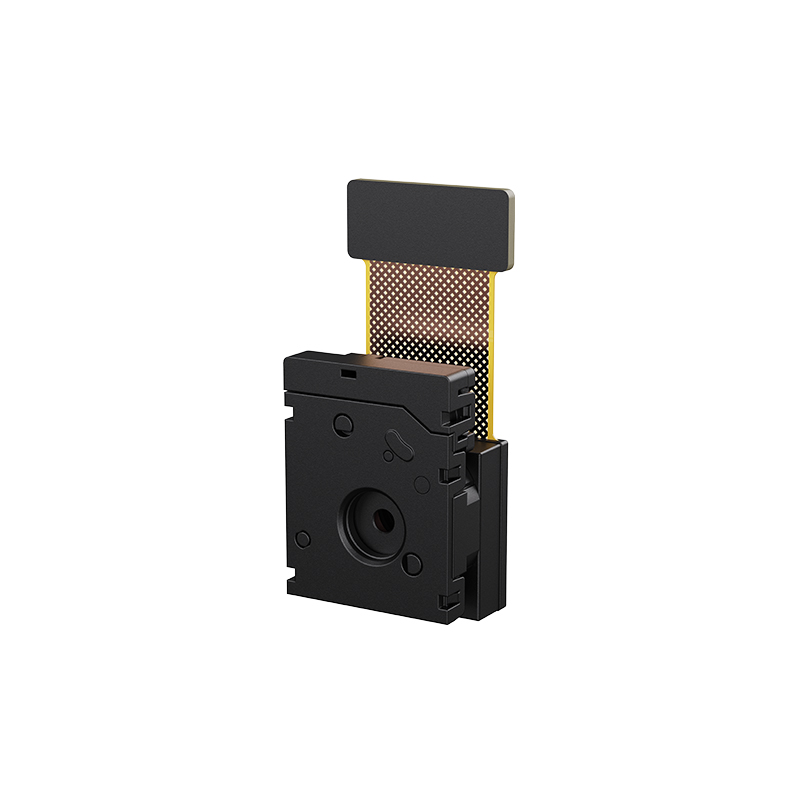
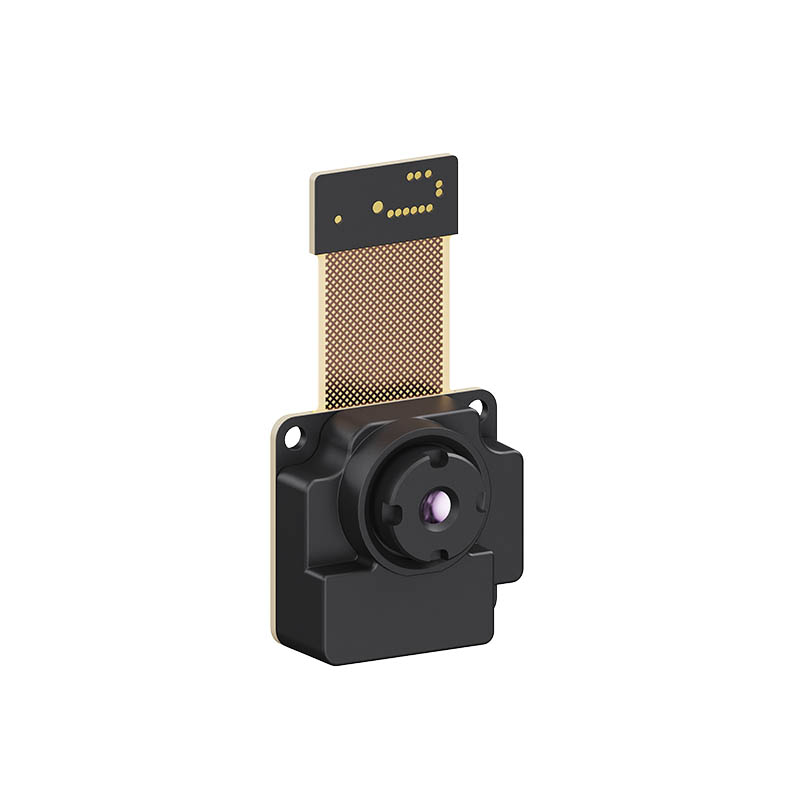
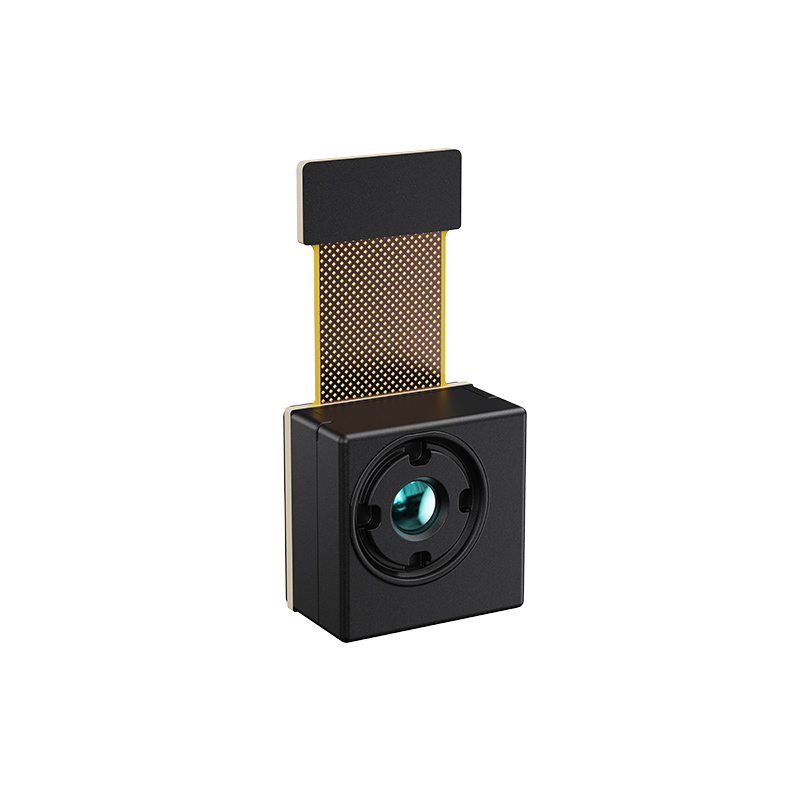
Adopting thermography involves choosing the right equipment for your needs. The core of any thermal camera is its infrared thermal sensor, which determines the resolution, sensitivity, and accuracy of temperature readings. These sensors can be integrated into handheld cameras, drone-mounted systems, or fixed installations, offering flexibility for diverse applications. When selecting a device, consider factors such as range, resolution, and intended use.

A Growing Future for Thermography
As technology advances, thermal imaging continues to expand into new fields. Emerging applications include smart home systems, automotive safety, and environmental monitoring. The versatility of infrared thermal sensors ensures that thermal cameras will remain indispensable tools for detecting and solving problems across various domains.
Thermography is a powerful diagnostic tool that detects temperature differences with precision and reliability. From identifying structural issues in buildings to enhancing safety in industrial systems, its applications are vast and impactful. By leveraging the adaptability of infrared thermal sensors, thermal cameras provide tailored solutions for professionals and individuals alike. Whether improving energy efficiency, ensuring safety, or advancing medical diagnostics, thermography offers significant benefits that are hard to ignore.
About Raytron Microelectronics
Raytron Microelectronics, a wholly-owned subsidiary of Raytron Technology Co., Ltd., is a leader in uncooled infrared thermal imaging. With full-stack capabilities from IC and MEMS sensor design to system integration, we deliver high-performance infrared solutions for industrial monitoring, wildfire prevention, outdoor night vision, consumer electronics, and intelligent sensing. Guided by our mission, “To Create Incremental Value for Customers with Technological Advancements”, we continue to drive innovation and empower smarter, safer, and more efficient systems worldwide.For more on the Raytron Microelectronics program, visit:https://www.raytron-microelectronics.com/contact-us