
Thermography, also known as thermal imaging, has revolutionized the way industries approach problem-solving. By detecting and visualizing heat patterns, this technology enables non-invasive inspection and monitoring. Despite its widespread adoption, thermography has both advantages and limitations. This article explores the pros and cons of thermography and how it is utilized in various applications.
What Is Thermography?
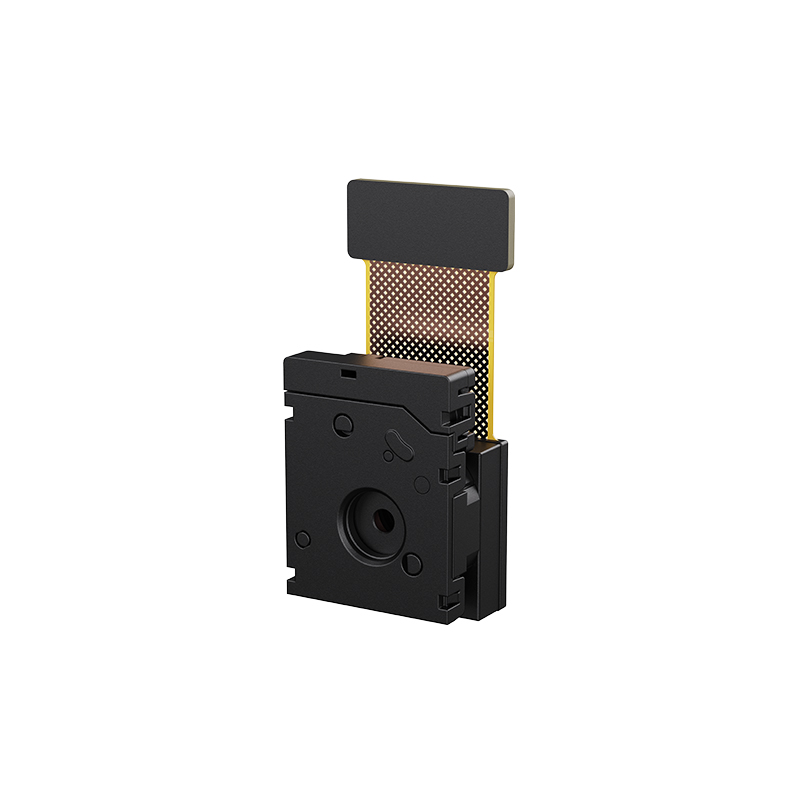
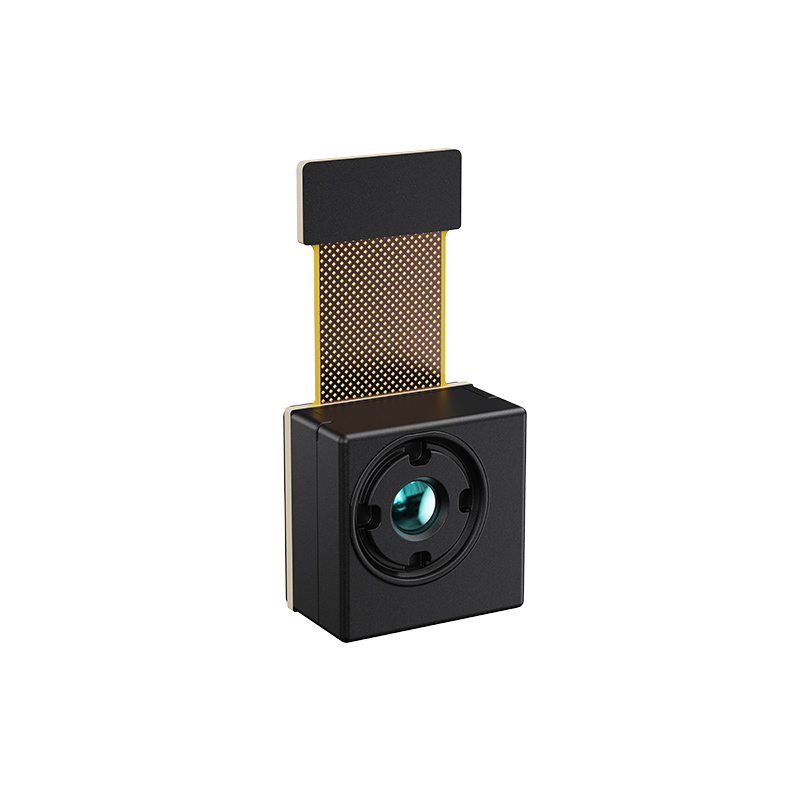
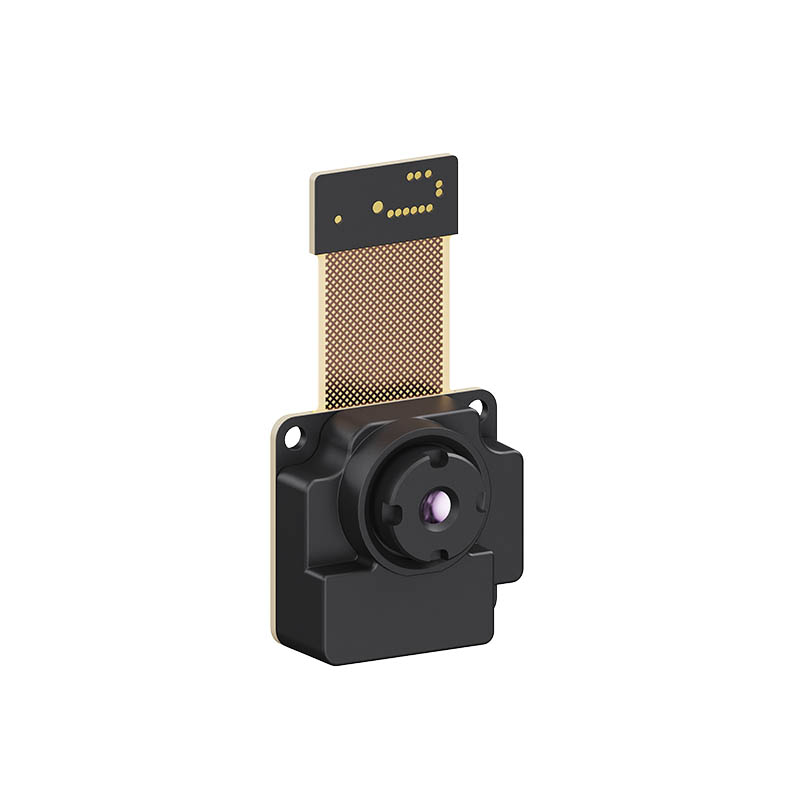
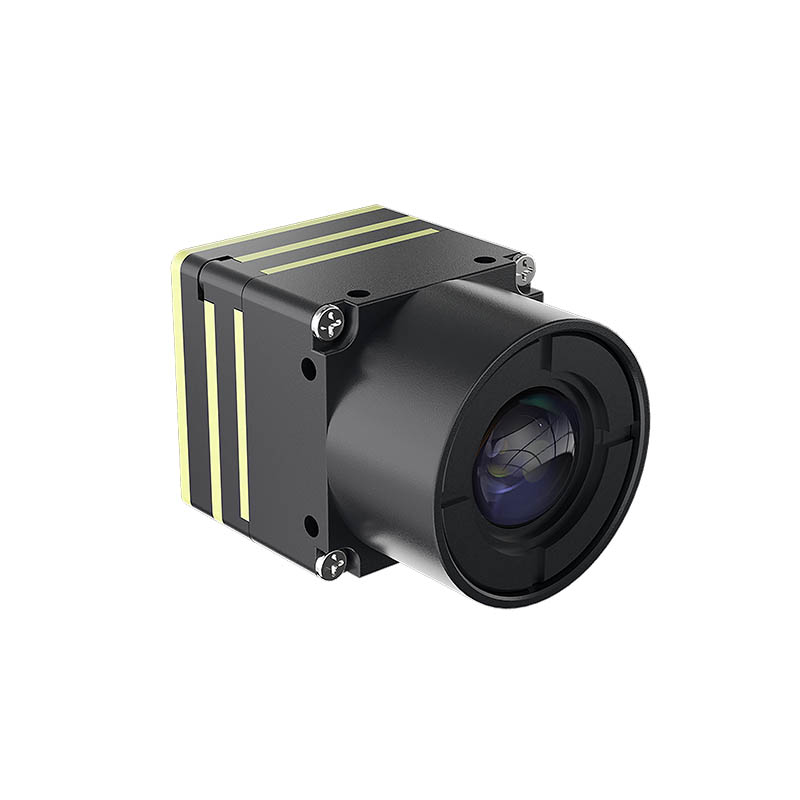
Thermography uses infrared thermal sensors to capture heat emissions from objects and surfaces. These sensors are often integrated into thermal cameras to create visual representations of temperature variations. This makes it possible to identify potential issues that are invisible to the naked eye, such as overheating components, insulation gaps, or fluid leaks.
Advantages of Thermography
1. Non-Contact Measurement
One of the key benefits of thermography is its ability to measure temperature without physical contact. This is particularly valuable for applications involving hazardous or hard-to-reach areas, such as electrical panels, high-voltage equipment, or industrial machinery.
2. Early Problem Detection
Thermal imaging enables early detection of issues like overheating, energy loss, and leaks. By identifying problems before they escalate, thermography can reduce downtime, lower repair costs, and enhance operational efficiency.
3. Versatility
Infrared thermal sensors can be integrated into various types of thermal cameras, allowing for diverse applications. For instance, handheld thermal cameras are commonly used for building inspections, while drone-mounted systems are ideal for large-scale surveys.
4. Non-Destructive Testing
Thermography is a non-destructive diagnostic tool. It allows for inspections without causing damage to the object or system being analyzed. This makes it ideal for fields such as construction, healthcare, and electronics.
5. Enhanced Safety
By detecting potential hazards like overheating electrical components or pipeline leaks, thermography improves safety in industrial and residential environments. Operators can assess risks without exposing themselves to dangerous conditions.
Limitations of Thermography
1. Dependency on Environmental Conditions
Thermography can be affected by environmental factors such as wind, rain, or sunlight. These conditions may distort thermal readings, reducing accuracy.
2. High Initial Investment
Thermal cameras and related equipment often require a significant initial investment. While prices have decreased in recent years, advanced systems remain expensive for some users.
3. Limited Depth Perception
Thermal imaging provides surface-level data. It cannot penetrate solid objects, which limits its ability to detect underlying issues in certain materials or structures.
4. Expertise Required
Interpreting thermal images often requires specialized training. Inexperienced users may misinterpret data, leading to inaccurate conclusions or missed problems.
5. Resolution Constraints
Although modern infrared thermal sensors have improved resolution, some thermal cameras still struggle to provide highly detailed images. This can be a drawback for applications that require precise analysis. Explore high resolution infrared thermal camera sensors here.
Applications of Thermography
Building Inspections

Thermography is widely used for detecting energy loss, moisture intrusion, and insulation issues in buildings. These insights help improve energy efficiency and reduce utility costs.
Industrial Maintenance

Industries utilize thermal imaging to monitor machinery, detect overheating components, and prevent equipment failures. Regular thermal inspections can minimize downtime and extend the lifespan of critical assets.
Medical Diagnostics
Thermal imaging is gaining traction in healthcare, where it is used to identify abnormalities such as inflammation or poor blood circulation. It provides a non-invasive option for certain diagnostic procedures.
Environmental Monitoring

Thermography plays a key role in detecting heat leaks in pipelines and visualizing gas emissions. This capability supports environmental sustainability and ESG initiatives by helping industries reduce waste and emissions.
Automotive Applications

In the automotive sector, thermal cameras are used to enhance driver safety by providing clear visuals in low-light or foggy conditions. They are also employed in advanced driver-assistance systems (ADAS) for collision avoidance.

Key Considerations for Using Thermography
When selecting thermal imaging equipment, it is important to assess the specific requirements of your application. Factors such as resolution, sensitivity, and integration capabilities should be evaluated. Infrared thermal sensors, when incorporated into thermal cameras, can meet a variety of needs across industries, ensuring flexibility and reliability.
Thermography offers a unique way to visualize and analyze heat patterns, making it an invaluable tool across numerous sectors. While it has certain limitations, advancements in infrared thermal sensors and imaging technology continue to expand its potential applications. By weighing the pros and cons, users can make informed decisions about incorporating thermography into their operations.
About Raytron Microelectronics
Raytron Microelectronics, a wholly-owned subsidiary of Raytron Technology Co., Ltd., is a leader in uncooled infrared thermal imaging. With full-stack capabilities from IC and MEMS sensor design to system integration, we deliver high-performance infrared solutions for industrial monitoring, wildfire prevention, outdoor night vision, consumer electronics, and intelligent sensing. Guided by our mission, “To Create Incremental Value for Customers with Technological Advancements”, we continue to drive innovation and empower smarter, safer, and more efficient systems worldwide.For more on the Raytron Microelectronics program, visit:https://www.raytron-microelectronics.com/contact-us