
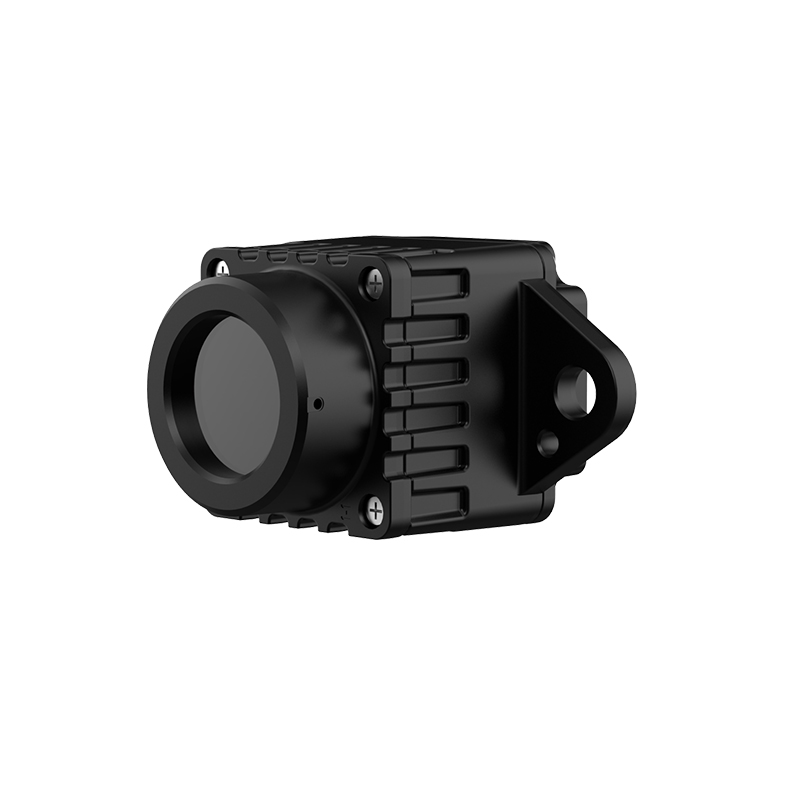
Driving at night presents unique challenges for drivers. Reduced visibility, unpredictable road conditions, and the presence of pedestrians or animals create potential safety risks. Traditional headlights and visual aids often fall short in addressing these issues. This is where thermal night vision cameras revolutionize nighttime driving.
Understanding Thermal Night Vision Technology
Thermal night vision cameras operate by detecting infrared radiation emitted by objects. Unlike conventional optical cameras, which depend on visible light, thermal cameras capture heat signatures. This capability enables drivers to identify objects that may otherwise remain hidden in low-light or adverse weather conditions.
These cameras rely on advanced infrared thermal sensors, which can be integrated into various forms of thermal imaging systems. The flexibility of integration allows manufacturers to develop solutions tailored to specific automotive applications. From high-end passenger vehicles to commercial trucks, thermal cameras have proven to enhance safety and efficiency.
Benefits of Thermal Night Vision Cameras for Vehicles
1. Improved Nighttime Visibility
Thermal night vision cameras make it easier to detect objects such as animals, pedestrians, or debris on the road. By identifying heat signatures, these devices help drivers see beyond the range of traditional headlights. This capability significantly reduces the risk of collisions and enhances overall awareness.
2. Enhanced Driver Assistance Systems

Modern driver assistance systems (ADAS) benefit from thermal imaging technology. Integration of thermal cameras into ADAS enhances functionality, such as adaptive cruise control and lane departure warnings, by providing accurate detection of obstacles in real time. This ensures safer navigation, especially in challenging driving conditions.
3. All-Weather Performance
Thermal night vision cameras outperform traditional visual aids under adverse weather conditions like fog, heavy rain, or snow. Visible light often struggles to penetrate these conditions, but thermal imaging remains effective. This reliability ensures consistent performance regardless of environmental factors.
4. Increased Road Safety

Road safety is paramount, especially for long-haul and professional drivers. Thermal cameras can detect animals crossing rural roads, pedestrians in poorly lit areas, and even stationary vehicles without lights. This early detection capability gives drivers more time to react, preventing accidents.
5. Reduced Driver Fatigue
Nighttime driving often leads to fatigue due to reduced visibility and mental strain. Thermal cameras alleviate this by providing clear, real-time imaging that reduces the cognitive load on drivers. This contributes to a safer and more comfortable driving experience.
Applications of Thermal Night Vision Cameras in Automobiles
Thermal night vision cameras are not limited to passenger vehicles. They find applications across various automotive sectors, including:

- Luxury Cars: High-end vehicles incorporate thermal cameras to enhance safety features and provide premium driving experiences.
- Commercial Trucks: Long-haul trucks use thermal cameras to improve safety during nighttime and cross-country operations.
- Emergency Vehicles: Fire trucks and ambulances benefit from thermal imaging by navigating through low-visibility areas during emergencies.
- Autonomous Vehicles: Thermal cameras play a crucial role in the development of autonomous driving systems by enhancing object detection and obstacle avoidance capabilities.
The Role of Infrared Thermal Sensors in Automotive Solutions
Infrared thermal sensors form the core of thermal night vision cameras. Their adaptability allows seamless integration into diverse camera designs, meeting the varying demands of automotive applications. By enabling precise detection and imaging, these sensors ensure that thermal cameras deliver reliable performance under all conditions.
This flexibility makes thermal imaging technology a key component in modern vehicle systems, ensuring compatibility with evolving automotive innovations.
Future Trends in Thermal Night Vision for Vehicles
The demand for thermal imaging technology in automobiles continues to grow. Advances in sensor technology and machine learning are further enhancing the capabilities of thermal cameras. Some emerging trends include:
- AI-Powered Thermal Imaging: Artificial intelligence enables real-time analysis of thermal data, improving obstacle detection and decision-making in autonomous vehicles.
- Compact and Affordable Solutions: Ongoing research aims to reduce the size and cost of thermal cameras, making them accessible to a wider range of vehicles.
- Integration with Augmented Reality (AR): Future systems may combine thermal imaging with AR displays, providing drivers with enhanced situational awareness and intuitive interfaces.
Thermal night vision cameras are transforming the way we drive at night. By improving visibility, enhancing safety systems, and offering reliable performance in adverse conditions, these devices represent a significant step forward in automotive technology. The integration of infrared thermal sensors ensures that these solutions remain adaptable to a wide range of vehicles and applications. As technology evolves, thermal night vision cameras will undoubtedly play a vital role in shaping the future of safer, smarter, and more efficient transportation.
About Raytron Microelectronics
Raytron Microelectronics, a wholly-owned subsidiary of Raytron Technology Co., Ltd., is a leader in uncooled infrared thermal imaging. With full-stack capabilities from IC and MEMS sensor design to system integration, we deliver high-performance infrared solutions for industrial monitoring, wildfire prevention, outdoor night vision, consumer electronics, and intelligent sensing. Guided by our mission, “To Create Incremental Value for Customers with Technological Advancements”, we continue to drive innovation and empower smarter, safer, and more efficient systems worldwide.For more on the Raytron Microelectronics program, visit:https://www.raytron-microelectronics.com/contact-us