
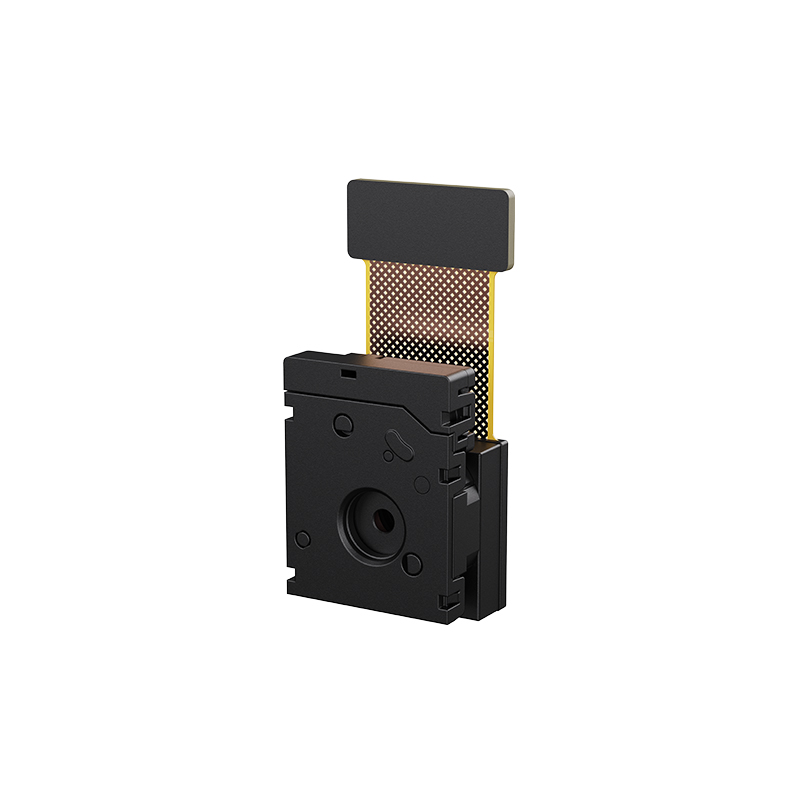
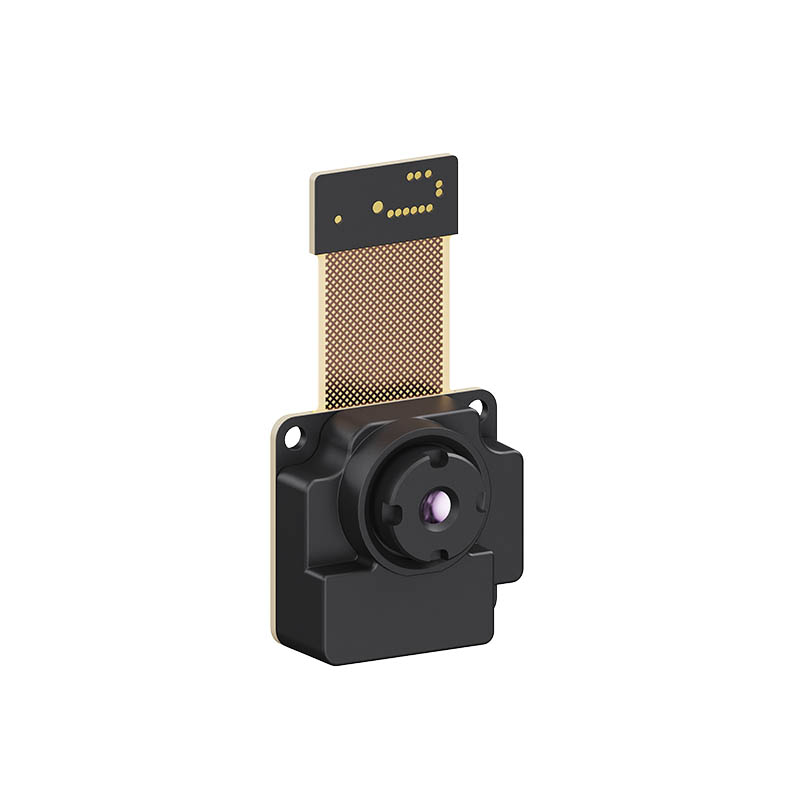
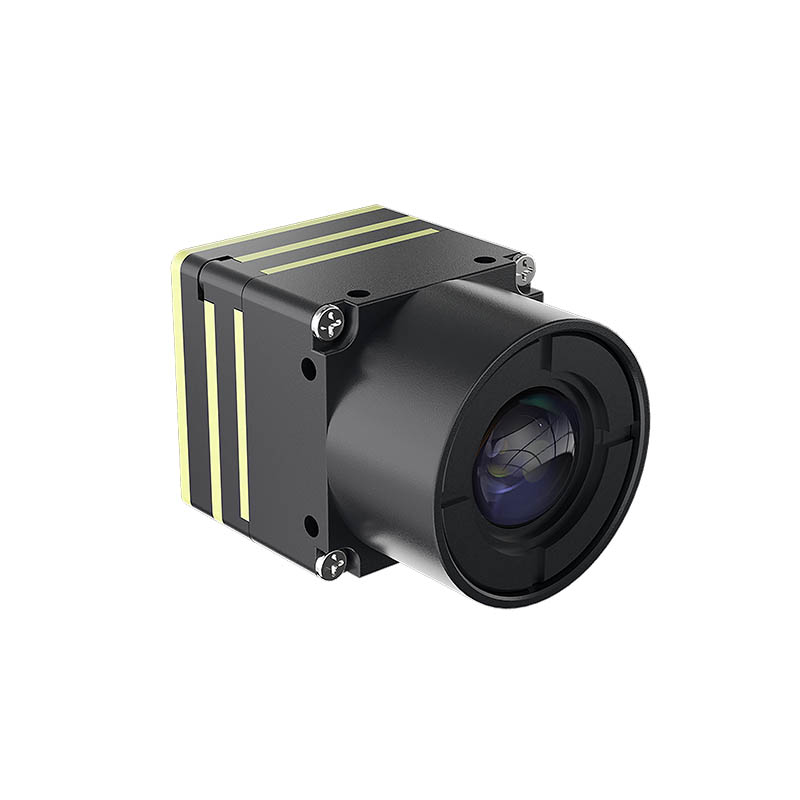
Thermography, a non-invasive imaging technique, has revolutionized various fields by offering detailed thermal readings of surfaces and environments. This technology is built upon infrared sensors and thermal modules that convert heat emissions into a visual image. These tools, often integrated into infrared thermal cameras, allow professionals to diagnose issues, enhance safety, and improve efficiency. But what exactly can thermography detect, and why is it so valuable?
The Basics of Thermography
Thermography relies on detecting infrared radiation emitted by objects. All objects emit heat, and differences in temperature create thermal patterns visible to thermal sensors. These patterns reveal essential details invisible to the naked eye, making thermography invaluable for numerous applications.
Modern thermography systems are equipped with advanced infrared detectors and thermal sensors, ensuring precise temperature measurement across a wide range of environments. This adaptability enables their integration into devices tailored for medical, industrial, and environmental uses.
Applications of Thermography
1. Medical Diagnostics
Thermography has become a critical tool in healthcare. It identifies temperature variations in the human body, which can indicate inflammation, infection, or abnormal blood flow. For example:
- Breast Health Screening: Thermography detects subtle temperature differences in breast tissue, potentially highlighting areas of concern. While not a replacement for mammography, it offers a supplementary, radiation-free diagnostic option.
- Chronic Pain Analysis: Patients with conditions like arthritis or nerve damage benefit from thermographic scans that identify inflammation and nerve dysfunction.
Infrared thermal sensors integrated into medical imaging devices ensure accuracy and reliability, making them vital for diagnostic purposes.
2. Building Inspections

Thermography plays a crucial role in construction and home maintenance:
- Detecting Heat Loss: Thermal cameras can pinpoint areas of poor insulation, helping homeowners reduce energy waste.
- Moisture and Leak Detection: By identifying temperature variations, thermography reveals hidden water damage or leaks in walls, roofs, and plumbing systems.
In these applications, high-performance infrared detectors provide clear and detailed imagery, making problem identification quick and efficient.
3. Electrical System Monitoring

Electrical systems generate heat when operating. Unusual thermal patterns often signal issues like:
- Overloaded circuits
- Loose connections
- Failing components
Thermal imaging helps technicians locate problems before they lead to system failures or safety hazards. This proactive approach minimizes downtime and reduces repair costs.
4. Industrial and Environmental Applications

Thermography is widely used in industrial and environmental fields:
- Equipment Maintenance: Factories use thermal imaging to monitor machinery. By detecting overheating components, businesses can prevent costly breakdowns.
- Wildlife and Environmental Monitoring: Researchers rely on thermal imaging to track animal activity and observe environmental changes, especially in low-light conditions.
5. Security and Monitoring

In security applications, thermography is highly effective for detecting unauthorized activity or monitoring areas in darkness or obscured environments. Infrared detectors and thermal sensors ensure the detailed visualization needed to differentiate between threats and non-threatening activity.
Why Thermography Is Essential
Thermography’s ability to visualize heat patterns in real-time makes it indispensable. Its non-invasive nature ensures safety, while its precision offers insights unattainable through traditional methods. The integration of thermal sensors and infrared detectors in modern thermographic systems ensures adaptability across multiple industries, meeting diverse application needs with high accuracy.
Thermography provides a versatile and reliable solution for detecting issues across a wide range of applications. From medical diagnostics to industrial maintenance, this technology enhances efficiency, safety, and accuracy. With advancements in thermal sensors and infrared detectors, thermography continues to evolve, solidifying its role as a critical tool for professionals worldwide.
About Raytron Microelectronics
Raytron Microelectronics, a wholly-owned subsidiary of Raytron Technology Co., Ltd., is a leader in uncooled infrared thermal imaging. With full-stack capabilities from IC and MEMS sensor design to system integration, we deliver high-performance infrared solutions for industrial monitoring, wildfire prevention, outdoor night vision, consumer electronics, and intelligent sensing. Guided by our mission, “To Create Incremental Value for Customers with Technological Advancements”, we continue to drive innovation and empower smarter, safer, and more efficient systems worldwide.For more on the Raytron Microelectronics program, visit:https://www.raytron-microelectronics.com/contact-us