
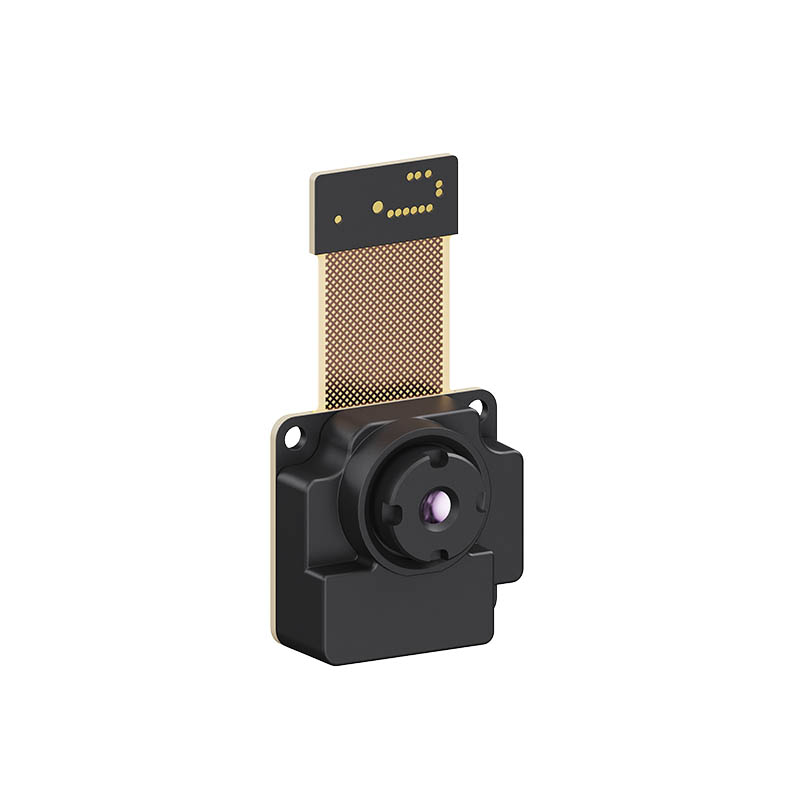
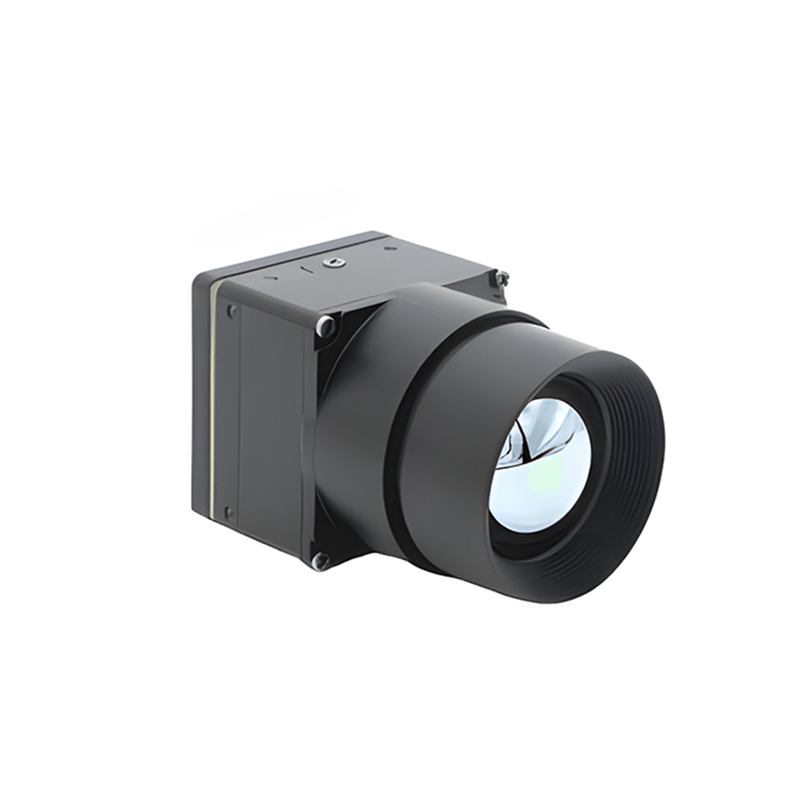
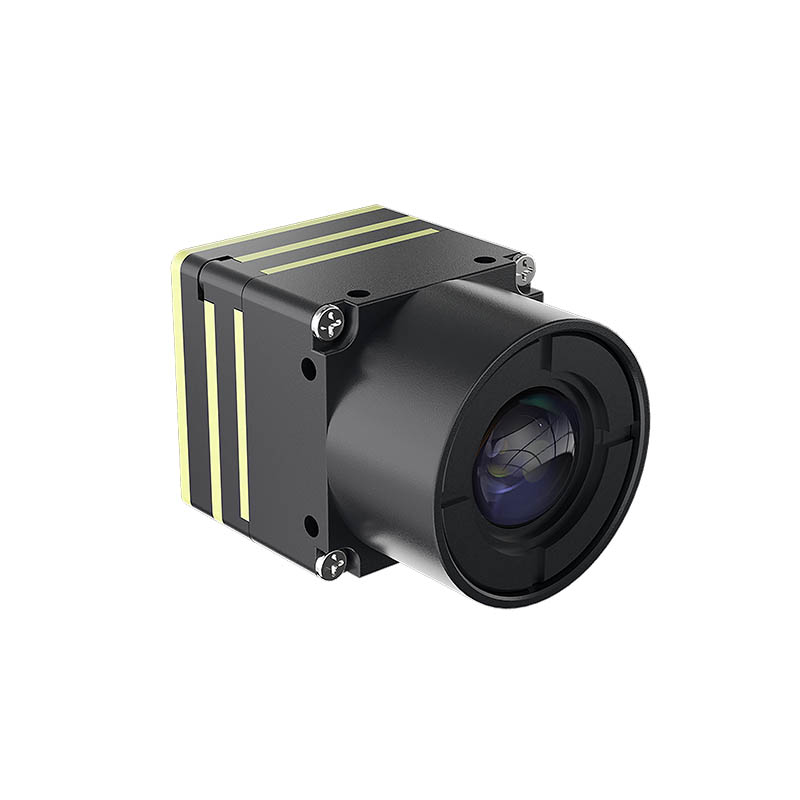
Thermal cameras are often associated with applications like night vision and heat detection, but they are far more versatile than that. These sophisticated devices are tools of choice for experts across various industries, each leveraging thermal imaging technology in ways the general public might not expect.
What Are the Thermal Modules Applications
1. Industrial Predictive Maintenance

One of the most valuable uses of thermal cameras is in predictive maintenance for industrial equipment. Machines generate heat when operating, and any abnormal heat patterns can signal a potential problem. Experts use thermal cameras to detect these unusual temperature variations before they lead to equipment failure. In industries where uninterrupted operations are critical, such as power generation or manufacturing, thermal imaging provides an early warning system, reducing downtime and maintenance costs.
Thermal cameras are capable of identifying electrical hotspots, mechanical wear, and insulation failures that might be invisible to the naked eye. These insights allow maintenance teams to schedule repairs proactively, ensuring that small issues do not escalate into costly breakdowns.
2. Medical Diagnostics and Healthcare
Thermal imaging has become a valuable diagnostic tool in the healthcare sector. Unlike traditional imaging techniques, thermal cameras detect variations in body temperature, which can reveal abnormal patterns indicative of medical conditions. For example, vascular disorders, infections, or inflammation can cause subtle changes in temperature distribution across the body. Experts in medical diagnostics rely on these temperature variations to identify potential health concerns early.
Thermal imaging is also used in oncology for breast cancer screening, helping to detect early-stage tumors by identifying areas of increased heat due to abnormal cell activity. This non-invasive approach offers a complementary method to more conventional techniques, making it a crucial tool in preventive healthcare.
3. Building Inspections and Energy Audits

Building experts utilize thermal cameras for conducting detailed inspections and energy audits. These devices can identify hidden issues, such as poor insulation, air leaks, or moisture buildup, which can be detrimental to a building’s energy efficiency. By visualizing temperature differences across walls, roofs, and windows, thermal imaging enables experts to pinpoint problem areas without invasive methods.
For property managers and construction professionals, thermal cameras provide an effective way to assess the thermal performance of buildings, aiding in energy conservation efforts. Corrective measures can then be implemented to improve insulation, reduce energy consumption, and enhance the overall comfort of the indoor environment.
4. Firefighting and Search & Rescue

Firefighting is a demanding profession where thermal cameras have become indispensable tools. These devices allow firefighters to see through smoke, locate hotspots, and identify trapped individuals in burning buildings. The technology provides visibility in low-light and smoke-filled conditions, aiding rescue efforts where every second counts.
Experts in search and rescue operations also use thermal imaging to locate missing persons in challenging environments, such as dense forests or mountainous areas. The ability to detect body heat from a distance offers a significant advantage, increasing the chances of successful rescues in difficult terrain.
5. Agriculture and Crop Management
Thermal imaging is not limited to urban settings; it also has a vital role in agriculture. Agricultural experts use thermal cameras to monitor crop health, irrigation efficiency, and soil conditions. Variations in plant temperature can indicate water stress, pest infestation, or disease. By identifying these issues early, farmers can take targeted actions to prevent crop damage and improve yield.
Additionally, thermal cameras can assess the efficiency of irrigation systems. Uneven temperature patterns might reveal problems with water distribution, enabling adjustments that ensure crops receive adequate moisture while minimizing waste.
6. Automotive and Autonomous Vehicle Testing

Thermal cameras are increasingly utilized in the automotive industry, particularly in the development of autonomous vehicles. Experts in this field use thermal imaging to enhance the safety and reliability of self-driving cars. Thermal cameras can detect obstacles, pedestrians, and animals that might not be visible under low-light conditions or in adverse weather. By incorporating thermal sensors into vehicle systems, manufacturers improve the accuracy of object detection, leading to safer navigation.
Automotive engineers also use thermal imaging to analyze heat distribution in engines and other vehicle components. This data helps in optimizing cooling systems, improving fuel efficiency, and enhancing overall vehicle performance.
7. Environmental and Wildlife Monitoring

Thermal imaging is a crucial tool for environmental experts and wildlife conservationists. These cameras allow for the monitoring of animal behavior without disturbing their natural habitats. They are used to study nocturnal animals, observe heat signatures of endangered species, and track migration patterns. By detecting animals in darkness or dense foliage, thermal cameras provide insights that conventional observation methods cannot.
In environmental monitoring, thermal imaging assists in detecting illegal activities like poaching or deforestation. Heat signatures from human activity can be identified in areas where such activities are prohibited, enabling timely interventions by authorities.
Thermal cameras are powerful tools that extend far beyond conventional uses. From industrial maintenance to medical diagnostics and wildlife monitoring, they offer unique insights that are indispensable to experts in various fields. Understanding these advanced applications highlights the versatility and value of thermal imaging technology, emphasizing its role as a critical asset in today’s technological landscape.
About Raytron Microelectronics
Raytron Microelectronics, a wholly-owned subsidiary of Raytron Technology Co., Ltd., is a leader in uncooled infrared thermal imaging. With full-stack capabilities from IC and MEMS sensor design to system integration, we deliver high-performance infrared solutions for industrial monitoring, wildfire prevention, outdoor night vision, consumer electronics, and intelligent sensing. Guided by our mission, “To Create Incremental Value for Customers with Technological Advancements”, we continue to drive innovation and empower smarter, safer, and more efficient systems worldwide.For more on the Raytron Microelectronics program, visit:https://www.raytron-microelectronics.com/contact-us