
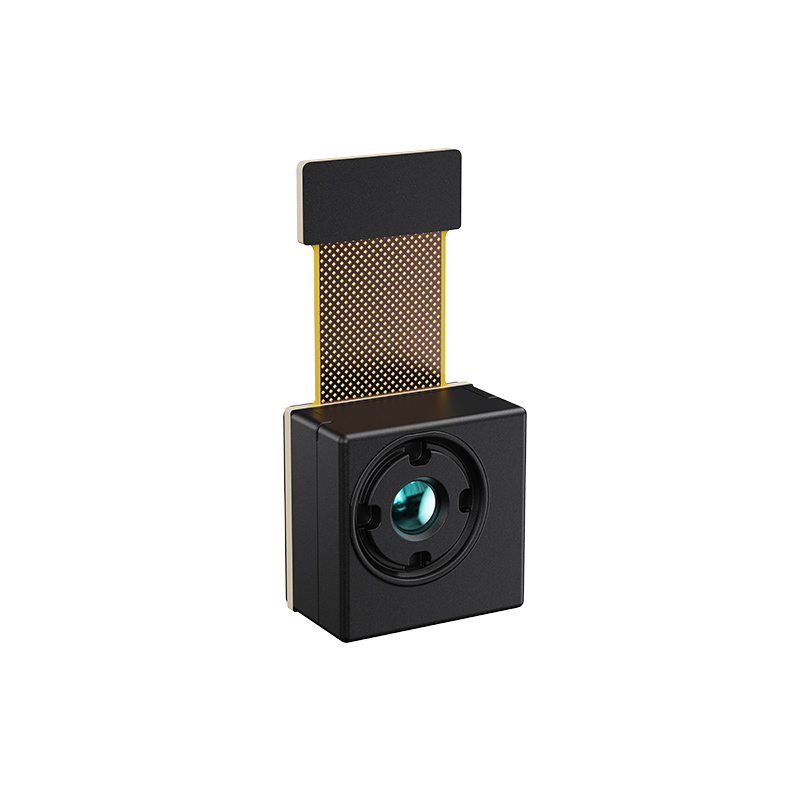
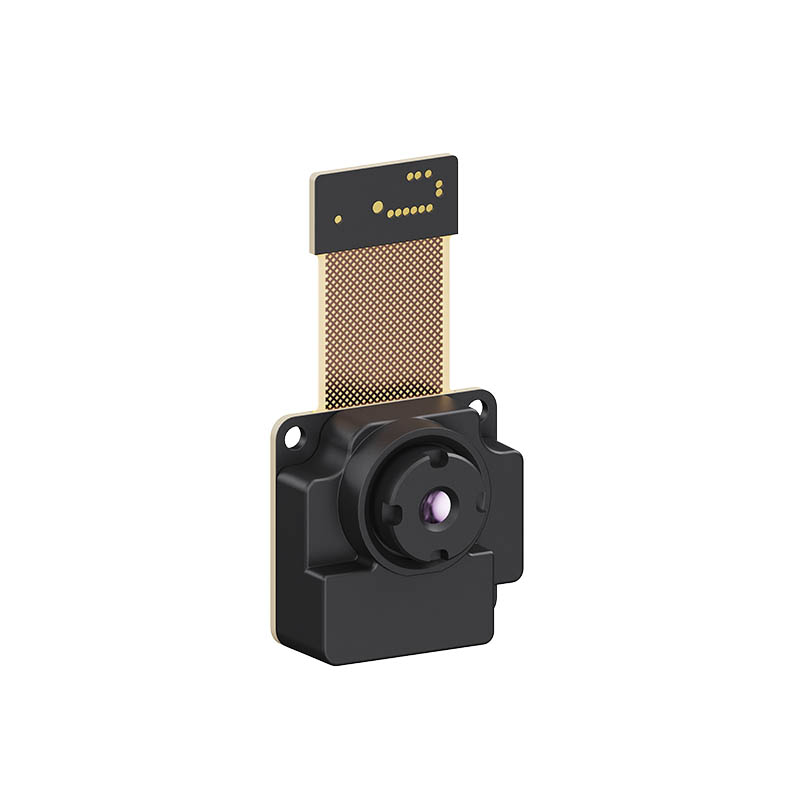
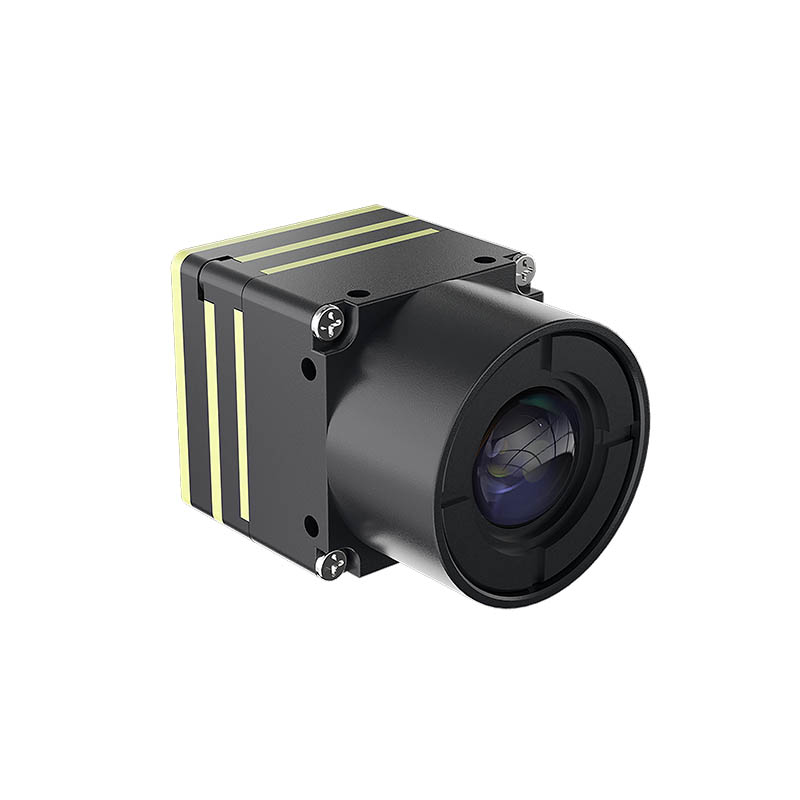
In the world of surveillance, outdoor adventures, and security, understanding the differences between infrared, thermal, and night vision technology is crucial. Each of these technologies has its own strengths, applications, and limitations. This article will break down what sets them apart, where they shine, and how to choose the right option for your specific needs.
Understanding Infrared, Thermal, and Night Vision
What is Infrared?
Infrared technology detects heat signatures emitted by objects, capturing this data using infrared sensors. Infrared (IR) light is part of the electromagnetic spectrum, located between visible light and microwaves. It is not visible to the human eye, but IR cameras can detect and interpret it.
Infrared is commonly used in surveillance systems to see in low-light conditions, making it a popular choice for home security cameras, wildlife monitoring, and industrial applications.
Key Advantages of Infrared:
- Effective in low-light or no-light environments.
- Clear visibility for short-range surveillance.
- Affordable and widely available technology.
Limitations of Infrared:
- Cannot penetrate obstacles like walls or dense foliage.
- Requires an additional light source (like IR LEDs) to be effective in complete darkness.
What is Thermal Imaging?

Thermal imaging detects heat, not light. It works by capturing the infrared radiation (heat) emitted by objects and converting it into an image. Even in complete darkness, thermal cameras can identify heat signatures. These cameras are sensitive to minute temperature differences, making them useful for detecting people, animals, and objects that emit heat.
Thermal imaging is commonly used in firefighting, medical diagnostics, industrial inspections, and outdoor night vision applications.
Key Advantages of Thermal Imaging:
- Can detect heat signatures in complete darkness or bright daylight.
- Can penetrate smoke, fog, and light foliage.
- Identifies temperature differences, useful for leak detection and diagnostics.
Limitations of Thermal Imaging:
- Generally more expensive than traditional IR systems.
- Not suitable for identifying specific details like facial features.
- Limited resolution compared to visible-light cameras.
What is Night Vision?
Night vision technology amplifies ambient light, such as moonlight or starlight, to provide visibility in dark conditions. It uses image intensifier tubes to enhance the available light and display a visible image. Night vision is popular in outdoor applications, wildlife observation, and security.

Key Advantages of Night Vision:
- High-resolution images in low-light conditions.
- Good depth perception and object clarity.
- More affordable compared to high-end thermal devices.
Limitations of Night Vision:
- Requires some light source, such as moonlight or starlight.
- Can be affected by bright lights, leading to temporary blindness.
- Limited effectiveness in complete darkness.
Infrared vs. Thermal vs. Night Vision: A Side-by-Side Comparison
| Aspect | Infrared | Thermal Imaging | Night Vision |
| Detection Method | Detects infrared light | Detects heat (infrared radiation) | Amplifies ambient light |
| Day/Night Use | Effective at night with IR light sources | Works both day and night | Works best at night with ambient light |
| Clarity | Clear short-range visibility | Excellent for detecting heat sources | High resolution in low-light settings |
| Cost | Affordable | Generally more expensive | Moderate |
| Penetration | Cannot penetrate obstacles | Can penetrate smoke, fog, light foliage | Cannot see through obstacles |
| Applications | Surveillance, wildlife monitoring | Industrial, medical, outdoor | Security, wildlife observation |
Which Technology to Choose?
Selecting the right technology depends on the intended use. Here’s a brief guide to help you make an informed decision:
- Infrared Cameras are ideal for short-range surveillance in low-light conditions. They are affordable, easy to install, and effective for home security.

- Thermal Imaging is the top choice for applications requiring detection of heat sources, especially in challenging environments. It is the preferred technology for fire and rescue operations, leak detection, and security monitoring.
Pros and Cons of Each Technology
Infrared Pros:
- Cost-effective for general use.
- Effective in low-light settings.
- Easily integrates with existing surveillance systems.
Infrared Cons:
- Limited range and detail.
- Requires additional IR lighting in complete darkness.
Thermal Imaging Pros:
- Excellent for heat detection in all lighting conditions.
- Works through smoke, fog, and partial obstructions.
- Detects temperature variations accurately.
Thermal Imaging Cons:
- Higher cost compared to traditional IR and night vision.
- Lower image resolution for detailed recognition. But with the advancement of technology, many high resolution thermal cameras have come out.
Night Vision Pros:
- High-resolution images in dim environments.
- Affordable for hobbyists and general security use.
- Realistic image reproduction with good depth perception.
Night Vision Cons:
- Ineffective in total darkness without ambient light.
- Sensitive to sudden light changes.
Understanding the differences between infrared, thermal, and night vision technologies is key to choosing the right one for your specific needs. Whether it’s short-range surveillance, detecting heat sources, or seeing in low light, each technology offers unique advantages. Evaluate your priorities—budget, environment, and purpose—before making a decision.
About Raytron Microelectronics
Raytron Microelectronics, a wholly-owned subsidiary of Raytron Technology Co., Ltd., is a leader in uncooled infrared thermal imaging. With full-stack capabilities from IC and MEMS sensor design to system integration, we deliver high-performance infrared solutions for industrial monitoring, wildfire prevention, outdoor night vision, consumer electronics, and intelligent sensing. Guided by our mission, “To Create Incremental Value for Customers with Technological Advancements”, we continue to drive innovation and empower smarter, safer, and more efficient systems worldwide. For more on the Raytron Microelectronics program, visit:https://www.raytron-microelectronics.com/contact-us