
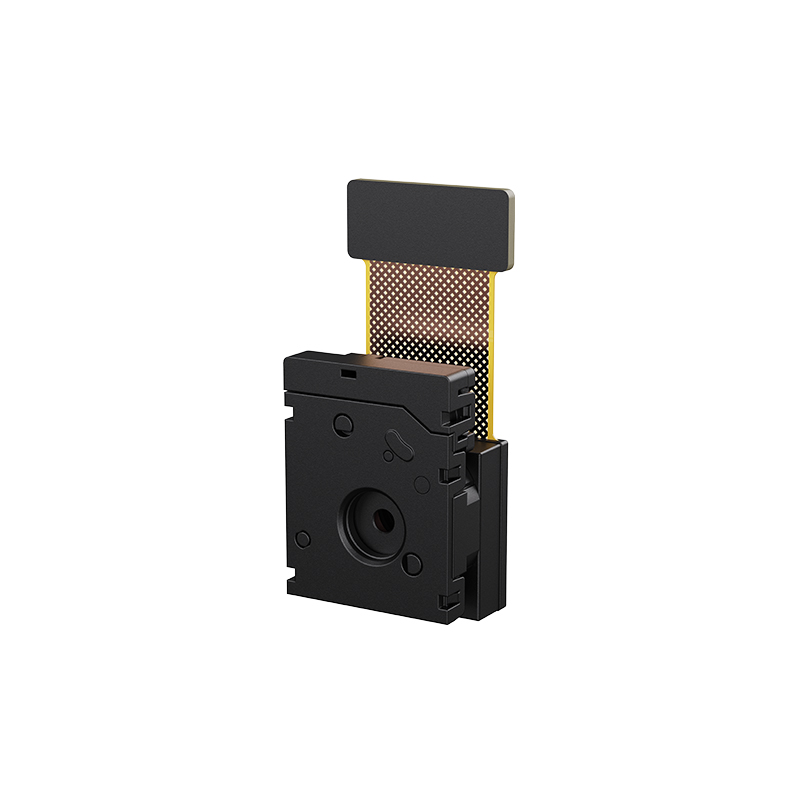
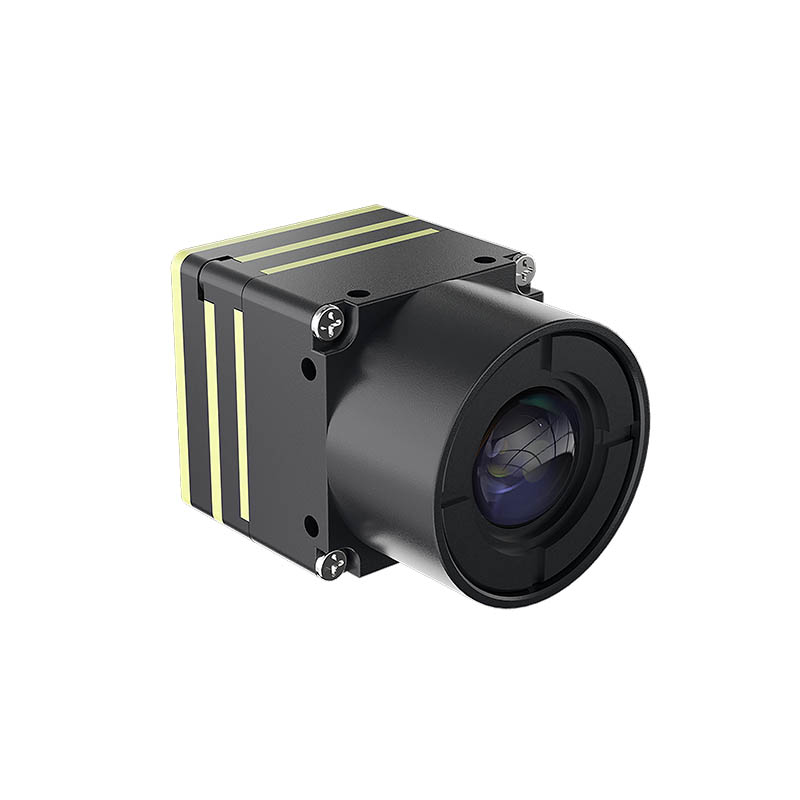
Electric systems play a critical role in powering homes, businesses, and industries. Ensuring their reliability and safety is vital for preventing costly failures and minimizing the risk of hazardous situations. One of the most effective tools for maintaining electric systems is a thermal imaging camera. This technology allows for the quick and accurate detection of potential issues without interrupting system operations.
What is a Thermal Imaging Camera?
A thermal imaging camera is a non-contact diagnostic tool that visualizes heat patterns by detecting infrared radiation emitted from objects. It generates an image, called a thermogram, which displays temperature variations in real-time. These cameras are particularly useful for inspecting electrical systems, as electrical components often generate heat when they are malfunctioning or under stress.
Why Thermal Imaging Cameras are Essential for Electric System Inspections
Electric systems, from power grids to circuit boards, consist of a wide array of components such as transformers, cables, fuses, and circuit breakers. These components can heat up due to various factors like overloads, poor connections, or internal faults. When excessive heat builds up in these areas, it may lead to failures or even fire hazards. Thermal imaging cameras help identify overheating components before these issues escalate. This preventive maintenance approach not only saves time and money but also enhances system safety and performance.

How Thermal Imaging Cameras Work for Electric System Inspections
Thermal cameras capture heat signatures by detecting infrared radiation emitted from electrical components. These cameras translate infrared radiation into visible images, with warmer objects appearing brighter in the thermogram.
When inspecting an electric system, technicians scan components such as switchgear, transformers, cables, and circuit boards. The thermal camera highlights areas of excessive heat, which may indicate problems like:
- Loose Connections: Poor connections between wires and terminals can cause increased resistance, leading to overheating. Thermal cameras make these hotspots visible, enabling quick identification and correction.
- Overloaded Circuits: Thermal imaging helps identify circuits that are operating beyond their capacity, preventing potential damage or failure.
- Faulty Equipment: Equipment such as transformers and circuit breakers can develop internal faults over time. By detecting temperature anomalies, thermal cameras allow for early detection of these issues, preventing more extensive damage.
- Corrosion or Wear: Over time, electrical connections can corrode or wear down. These issues can result in energy losses or failures. Thermal imaging helps identify these areas before they cause significant problems.

Benefits of Using Thermal Imaging Cameras for Electrical Inspections
- Non-invasive Inspections: One of the key benefits of thermal imaging is that it allows for inspections without having to physically contact or disrupt the system. This means technicians can perform inspections while the system is live, minimizing downtime and avoiding costly shutdowns.
- Real-time Results: Thermal cameras provide immediate feedback. Technicians can identify potential problems in real time, enabling quicker decision-making and faster troubleshooting.
- Enhanced Safety: Detecting overheating or malfunctioning electrical components before they cause serious damage can significantly reduce the risk of fires and electrical hazards. Thermal cameras provide a safer alternative to traditional methods, which often involve visual inspections or invasive testing.
- Preventive Maintenance: Regular use of thermal imaging as part of a preventive maintenance routine helps ensure the long-term health of electric systems. Early detection of heat-related issues allows for timely repairs or replacements, reducing the likelihood of costly emergencies.
- Cost Savings: By identifying potential issues early, thermal imaging cameras can help avoid costly repairs and system downtime. They also allow for better allocation of resources by pinpointing the exact areas requiring attention, rather than performing broad, labor-intensive inspections.

When to Use Thermal Imaging Cameras
Thermal imaging should be used regularly as part of a comprehensive preventive maintenance strategy for electric systems. It can be especially beneficial during:
- Routine Inspections: Incorporating thermal imaging into scheduled inspections allows for early detection of potential problems, helping to maintain system reliability.
- After System Upgrades or Modifications: After installing new equipment or making modifications, it’s important to inspect the system to ensure everything is functioning properly.
- Post-failure Analysis: In case of a system failure or malfunction, thermal imaging can help identify the root cause, whether it was caused by overheating or another issue.
- Before Seasonal Demands: Conducting thermal inspections before high-demand periods (such as summer or winter) helps ensure systems are ready for peak operation, reducing the risk of breakdowns.

Thermal imaging cameras are a powerful, non-invasive tool that plays a crucial role in maintaining the health of electrical systems. By providing real-time, detailed insights into temperature variations, they help technicians identify potential issues before they turn into costly or hazardous problems. Regular use of thermal imaging technology as part of a proactive maintenance strategy ensures the safety, efficiency, and longevity of electrical systems, offering significant benefits for both commercial and residential applications.