
Search and rescue operations can be a matter of life or death. The speed and efficiency with which rescue teams locate victims can make the difference between survival and loss. One of the most effective tools in modern search and rescue missions is the infrared thermal sensor camera, a technology that is revolutionizing the way rescuers perform their tasks. In this article, we’ll explore how infrared thermal sensors cameras are enhancing search and rescue solutions, providing crucial advantages in difficult and hazardous conditions.
What Are Infrared Thermal Sensors Cameras?
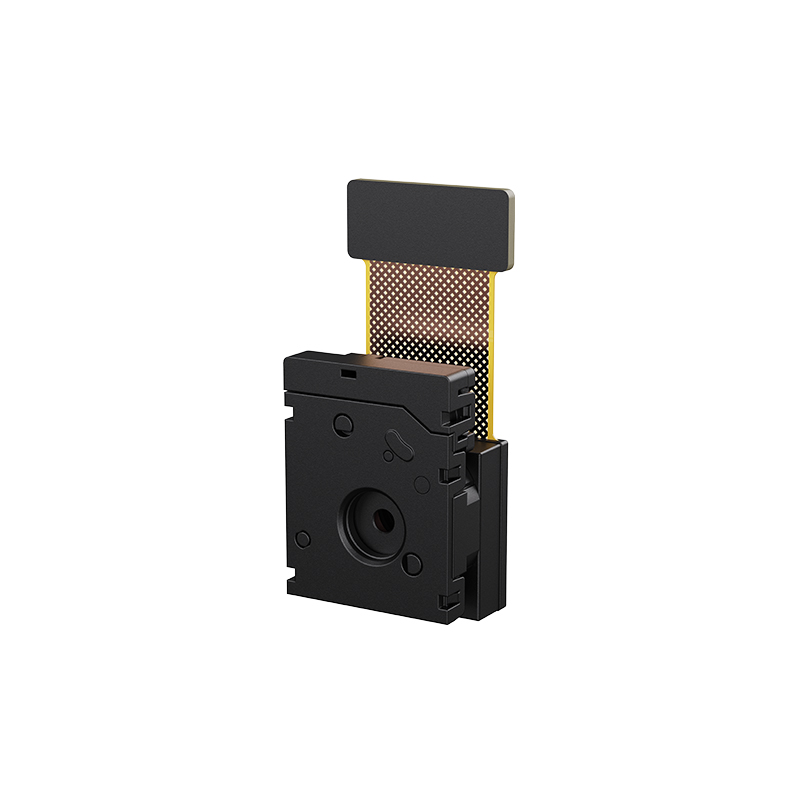
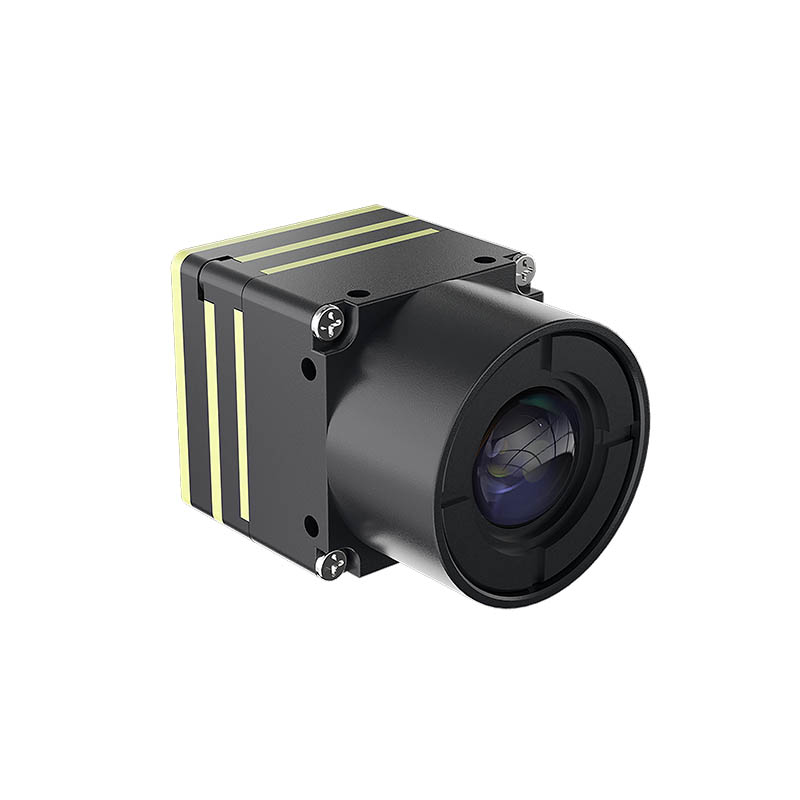
Infrared thermal sensors cameras are devices that detect infrared radiation (heat) emitted by objects and individuals. Unlike traditional optical cameras, these devices do not require visible light to function, making them invaluable for operations conducted in low-visibility conditions such as darkness, smoke, or fog. By translating heat signatures into visible images, infrared thermal sensors cameras allow rescue teams to see and identify warm objects, such as humans or animals, even in environments that are otherwise completely dark or obscured.

Key Benefits of Infrared Thermal Sensors in Search and Rescue
Enhanced Visibility in Low Light and Harsh Conditions
One of the primary benefits of infrared thermal sensors is their ability to detect heat signatures in environments where conventional cameras fail. During nighttime operations or in areas filled with smoke, dust, or fog, infrared thermal cameras provide clear, real-time images of the scene. This enhanced visibility is particularly critical in cases where a missing person or victim is trapped under debris, in dense vegetation, or in a collapsed building.
Faster Victim Detection
Time is a critical factor in search and rescue operations. Infrared thermal sensors enable rescue teams to quickly locate victims by highlighting their heat signatures in real-time. In disaster zones, where multiple areas may need to be searched, infrared sensors can significantly reduce the time required to find victims. This is especially helpful in situations like building collapses, where trapped survivors may be buried under rubble, or in vast wilderness areas where missing individuals can be difficult to spot with the naked eye.
Improved Search Efficiency
With infrared thermal imaging, search and rescue teams can cover larger areas more efficiently. For example, when searching through dense forests or vast terrains, thermal imaging cameras mounted on drones or helicopters can scan large areas quickly. In addition, search and rescue personnel on the ground can use portable thermal cameras to scan buildings, vehicles, or landscapes for heat signatures, allowing them to identify potential survivors or dangerous hot spots like fire outbreaks or hazardous materials.
Ability to Detect Vital Signs in Victims
In many search and rescue operations, rescuers must distinguish between living victims and non-living objects. Infrared thermal sensors can help rescue teams differentiate between warm human bodies and the surrounding environment by detecting subtle differences in temperature. This technology can even detect faint signs of life, such as slight heat variations caused by breathing or movement. In some cases, infrared cameras can even locate victims who are unconscious or unable to call for help.
Safety for Rescuers
Safety is paramount during search and rescue operations. By using infrared thermal cameras, rescue teams can avoid hazardous areas, such as hot spots in burning buildings or areas with dangerous chemical leaks. The ability to visualize heat sources allows teams to assess situations more accurately and take appropriate action without putting themselves at undue risk.
Versatility Across Different Search and Rescue Environments
Infrared thermal sensors are versatile and can be deployed in various search and rescue scenarios. Whether it’s a natural disaster like an earthquake, a fire, a flood, or a rescue operation in a remote wilderness area, thermal imaging cameras can adapt to the specific challenges of each situation. Moreover, these cameras can be used both on the ground and from the air, mounted on drones or helicopters, providing a 360-degree view of the search area.

The Role of Infrared Thermal Sensors in Specific Search and Rescue Applications
Urban Search and Rescue
Urban environments present unique challenges in search and rescue missions, particularly after a building collapse or earthquake. Thermal imaging cameras allow rescuers to identify heat signatures through rubble, smoke, and darkness. This ability to detect heat emanating from victims trapped beneath debris is crucial for rapid response in urban search and rescue operations.
Wilderness and Mountain Search
When searching vast, often rugged wilderness or mountainous regions, search and rescue teams must contend with difficult terrain and unpredictable weather conditions. Infrared thermal cameras provide an invaluable tool for spotting victims in these areas, whether they are lost, injured, or unable to signal for help. With drones equipped with thermal imaging technology, rescuers can cover large areas quickly, helping to locate victims in remote locations.

Infrared thermal sensors cameras are proving to be indispensable tools for modern search and rescue teams. Their ability to operate in low light, detect heat signatures from living bodies, and provide real-time situational awareness allows rescue personnel to work more efficiently and safely. With ongoing technological advancements, infrared thermal cameras will continue to improve search and rescue operations, offering even more precise tools for life-saving missions.
By integrating infrared thermal sensors into search and rescue strategies, rescue teams can enhance their ability to locate victims quickly, minimize risks to personnel, and ultimately save more lives. As these devices become more accessible and affordable, the potential for infrared technology to revolutionize search and rescue operations is immense.