
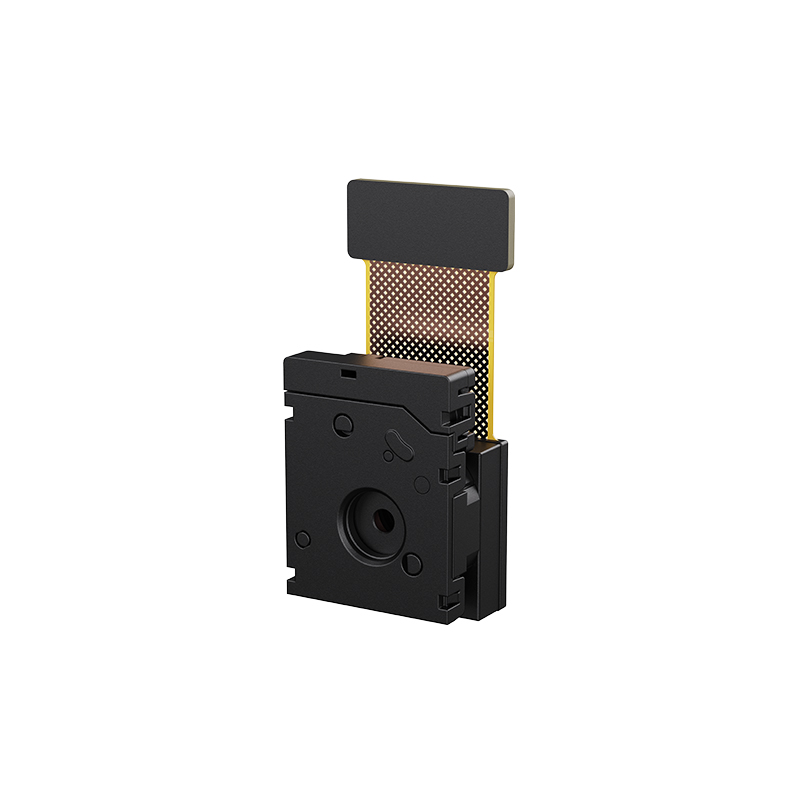
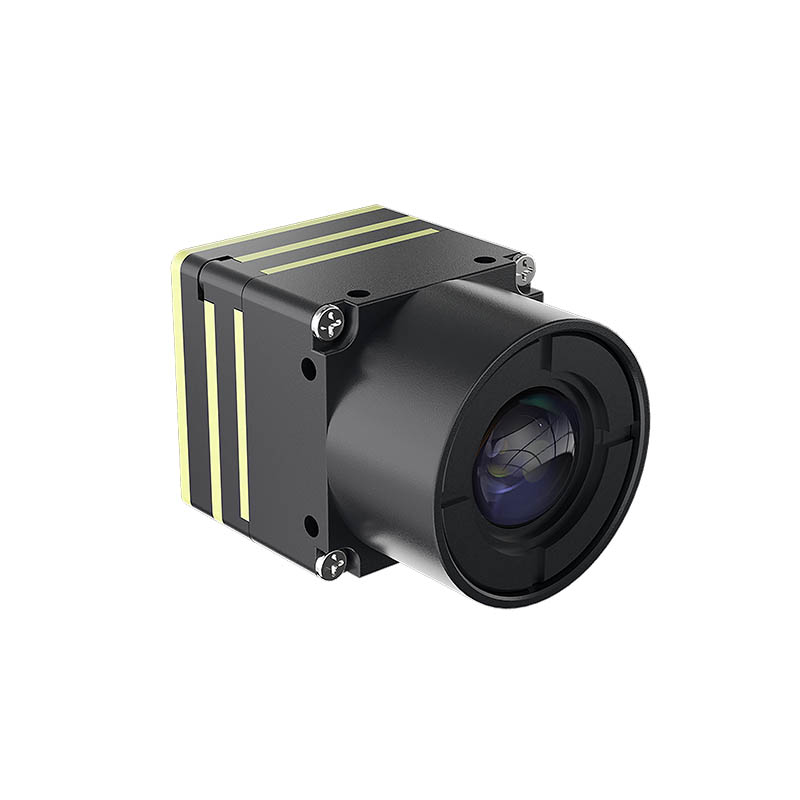
Infrared thermal imaging technology has transformed the way we approach night vision, making it an essential tool in areas ranging from search and rescue to automotive and wildlife observation. Traditional night vision relies on ambient or artificial light to amplify visibility, but thermal imaging goes a step further, detecting heat rather than visible light. This approach offers unique advantages, providing clear images even in complete darkness. This article explains how infrared thermal imaging works, its benefits, and why it is becoming the preferred choice for night vision applications.
What Is Infrared Thermal Imaging?
Infrared thermal imaging uses infrared radiation to create images based on heat, or thermal energy, rather than visible light. Every object emits some level of heat, known as infrared radiation, which thermal cameras can detect. Warmer objects emit more infrared radiation than cooler ones, allowing thermal imaging devices to differentiate between objects based on temperature differences.
Thermal imaging cameras capture this information and convert it into a visual image, where warmer objects often appear as brighter or highlighted areas. Unlike traditional night vision, thermal imaging is not affected by changes in light levels, making it effective in both low-light and completely dark environments.

How Infrared Thermal Imaging Works
Thermal imaging cameras are built with specialized sensors that detect infrared radiation. These sensors capture thermal energy and convert it into electrical signals, which are then processed to create a visual image. The image produced represents various heat levels in a color spectrum, ranging from cool tones for colder areas to warm tones for hotter areas.
Infrared thermal imaging technology can be categorized into two primary types:
Cooled Infrared Cameras:
Cooled thermal imaging cameras use a special cooling system to lower the sensor’s temperature, often to cryogenic levels. Cooling the sensor improves sensitivity and accuracy, allowing the camera to detect minute temperature differences with high resolution. Cooled cameras are more effective for long-range detection and are commonly used in specialized fields like high-end industrial inspections, and scientific research.
- Advantages: High sensitivity, better performance over long distances, higher image clarity.
- Drawbacks: More complex and costly, with additional maintenance requirements due to the cooling mechanism.
Uncooled Infrared Cameras:
Uncooled cameras are the more common type used in general-purpose applications. They operate at ambient temperature, with no need for a cooling system. Uncooled cameras rely on microbolometer sensors, which detect infrared radiation based on changes in resistance as the sensor absorbs thermal energy.
- Advantages: Lower cost, simpler design, and lower maintenance needs.
- Drawbacks: Slightly less sensitivity and resolution compared to cooled cameras, making them less ideal for long-range or highly detailed thermal imaging.

Key Advantages of Infrared Thermal Imaging for Night Vision
- Enhanced Visibility in Total Darkness: Since infrared thermal imaging detects heat rather than light, it enables visibility in complete darkness. This capability makes it ideal for nighttime surveillance, search and rescue, and wildlife monitoring.
- Clearer Images in Adverse Conditions: Unlike traditional night vision devices, thermal imaging is less affected by environmental conditions. It can penetrate through smoke, fog, and light rain, delivering reliable images when visibility is poor. This feature is valuable in applications where clarity is critical despite adverse weather.
- Improved Object Detection: Infrared thermal imaging allows for rapid detection of warm objects, such as humans or animals, against cooler backgrounds. This characteristic is essential for rescuer and enforcement personnel who rely on detecting hidden or moving targets.
- Non-Invasive and Safe: Thermal imaging is non-invasive and doesn’t require additional lighting, making it safer for both the observer and the environment. Since it passively detects heat, it doesn’t alert potential targets, which is a major advantage in security and monitoring.
- Minimal Light Pollution Impact: Thermal imaging doesn’t produce or rely on visible light, so it doesn’t contribute to light pollution. This advantage is particularly useful for observing sensitive wildlife without disturbing their natural environment.

Applications of Infrared Thermal Imaging in Night Vision
Infrared thermal imaging technology supports numerous applications across various fields. Here are some common uses:
- Automotive Night Vision: Some advanced driver assistance systems (ADAS) use infrared thermal imaging to enhance night driving safety. Thermal cameras for automotive can detect pedestrians, animals, and other vehicles beyond the range of headlights, giving drivers an extra layer of security.
- Search and Rescue Operations: Thermal imaging is valuable in search and rescue operations. Its ability to detect body heat allows rescuers to locate people who are lost or trapped in remote or challenging terrains, even at night.
- Wildlife Observation and Conservation: Researchers and conservationists use thermal imaging to observe nocturnal wildlife without disturbing them. By detecting animals’ body heat, thermal imaging allows for non-invasive study and monitoring of wildlife behavior and populations.

Infrared Thermal Imaging vs. Traditional Night Vision
Infrared thermal imaging and traditional night vision are often compared, as they both serve similar purposes but differ in functionality:
- Detection Mechanism: Traditional night vision amplifies ambient light, while thermal imaging relies on heat detection. This difference means thermal imaging can function in total darkness, while night vision requires at least some light.
- Image Quality in Poor Conditions: Thermal imaging performs better in fog, smoke, and rain, while traditional night vision struggles under these conditions. The versatility of thermal imaging makes it more effective in a broader range of situations.
- Target Identification: While both technologies can identify objects in the dark, thermal imaging provides better contrast for detecting warm objects against cool backgrounds. This advantage often makes thermal imaging more effective for security, rescue, and wildlife observation.

Infrared thermal imaging is rapidly advancing, with new technologies increasing sensitivity, resolution, and affordability. Ongoing research and development are leading to more compact, cost-effective, and high-performance thermal cameras, expanding the technology’s applications.
With rising adoption in industries such as automotive, security, and environmental monitoring, infrared thermal imaging will continue to be a valuable asset for night vision applications. Its unique advantages over traditional methods ensure its relevance and growing importance in the years to come.