
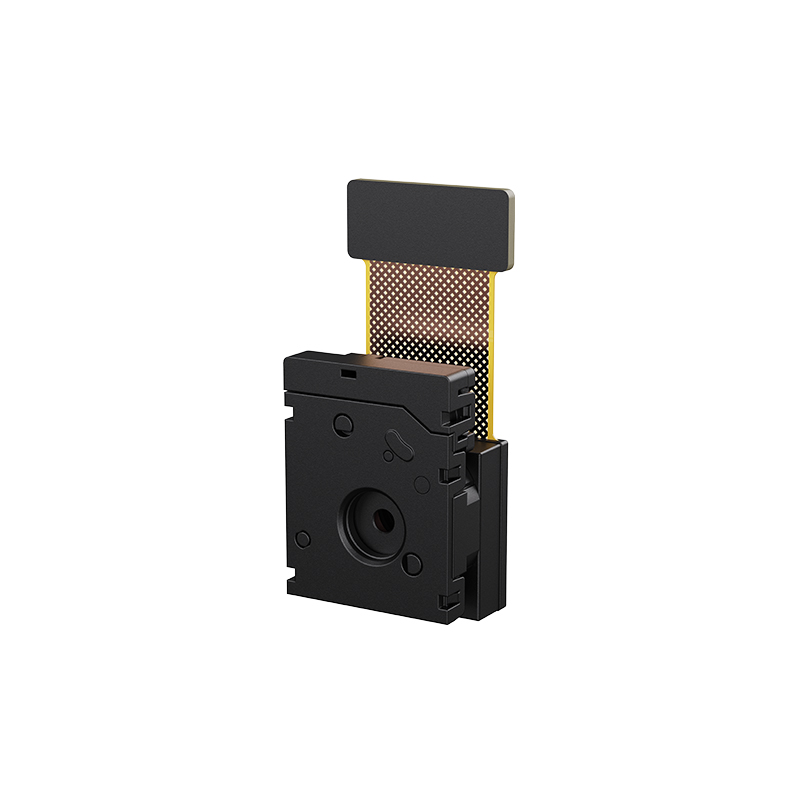
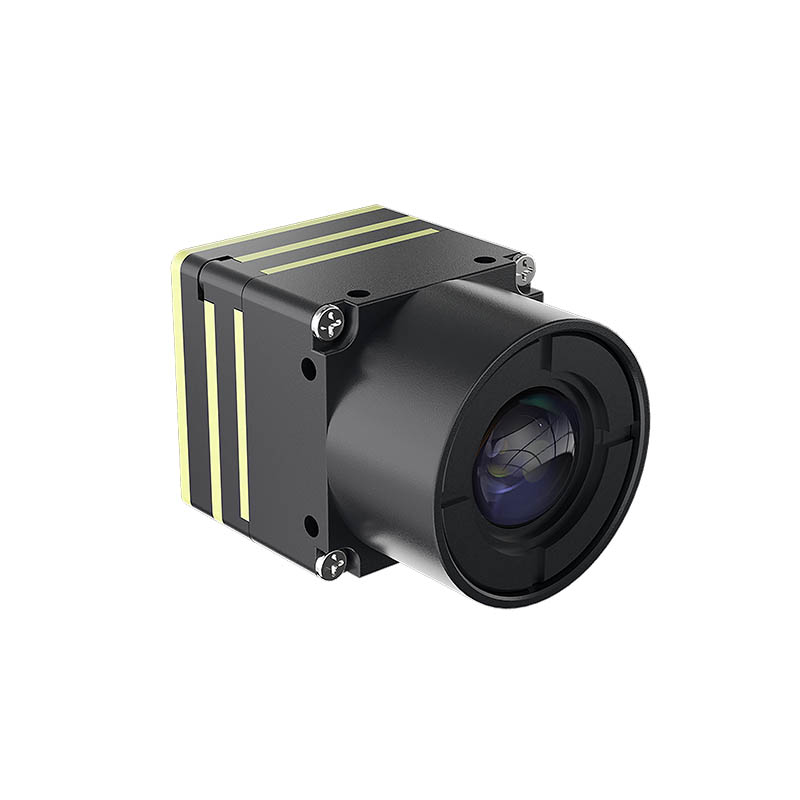
Thermal detectors are essential devices that sense temperature changes by detecting thermal radiation emitted from objects. They find extensive applications across various fields, including industrial monitoring, medical diagnostics, and environmental studies. Understanding the different thermal detector types is crucial for selecting the appropriate technology for specific applications.
Overview of Thermal Detector Types
There are several thermal detector types, each designed for unique functionalities and performance characteristics. The most common categories include:
- Thermocouples
- Resistance Temperature Detectors (RTDs)
- Thermal Imaging Detectors
Each type offers distinct advantages, making them suitable for specific use cases.
Thermocouples
Thermocouples are among the most widely used thermal detectors due to their simplicity, durability, and cost-effectiveness. They consist of two dissimilar metal wires joined at one end. When exposed to temperature differences, a voltage is generated at the junction, which can be measured to determine the temperature.
Thermocouples are capable of measuring a wide temperature range, making them ideal for industrial applications. They are commonly used in furnaces, kilns, and engines. However, their accuracy can be affected by factors such as ambient temperature and wire insulation. Despite these limitations, their robustness and low cost make them a popular choice for many industries.
Resistance Temperature Detectors (RTDs)
Resistance Temperature Detectors (RTDs) operate on the principle that the electrical resistance of certain metals varies with temperature. Typically made from pure platinum, RTDs offer high accuracy and stability, making them suitable for precise temperature measurements.
RTDs are favored in laboratory settings and applications that require accurate and repeatable measurements. They exhibit excellent linearity and can detect minute temperature changes, which is crucial in scientific research and quality control processes. While RTDs are generally more expensive than thermocouples, their precision justifies the cost in many applications.
Thermal Imaging Detectors
Thermal imaging detectors are designed to capture and visualize thermal radiation emitted by objects. They convert infrared radiation into electronic signals, which can be displayed as images on a screen. This capability allows for real-time monitoring and analysis of temperature distributions in various environments.
Types of Thermal Imaging Detectors
Uncooled Detectors:
Uncooled thermal imaging detectors are compact, lightweight, and cost-effective. They operate at ambient temperatures, eliminating the need for complex cooling systems. This makes them suitable for handheld thermal imaging cameras commonly used in building inspections and electrical maintenance.
These detectors utilize microbolometer technology, which captures infrared radiation through a material that changes resistance with temperature. The ease of use and portability of uncooled detectors make them popular in various industries, including firefighting and security.
Cooled Detectors:
Cooled thermal imaging detectors provide enhanced sensitivity and resolution compared to their uncooled counterparts. These detectors require cooling mechanisms, often utilizing liquid nitrogen, to reduce thermal noise and improve image quality.
Cooled detectors are commonly employed in scientific and aerospace applications where high performance is critical. Their ability to detect minute temperature differences makes them suitable for research purposes and advanced surveillance.
Applications of Thermal Detectors
Different thermal detector types serve a variety of applications across multiple sectors:
- Medical Diagnostics: In healthcare, thermal imaging detectors assist in identifying abnormalities by capturing temperature variations in the body. This non-invasive technique is useful for early detection of conditions such as inflammation or circulatory issues.
- Industrial Monitoring: In manufacturing and maintenance, thermal detectors are vital for predictive maintenance. By monitoring equipment temperatures, potential failures can be identified before they occur, reducing downtime and improving safety.
- Building Inspections: Thermal imaging is widely used in building inspections to identify heat leaks and moisture issues. Inspectors utilize handheld thermal cameras to visualize temperature differences, enabling them to pinpoint areas requiring repairs or insulation improvements.

Understanding the various thermal detector types and their specific applications is crucial for making informed decisions in both industrial and medical fields. Each type of thermal detector offers unique advantages and is tailored to meet specific needs. By selecting the appropriate thermal detector, organizations can enhance operational efficiency, improve diagnostic accuracy, and ensure safety across various applications.
In summary, whether utilizing thermocouples for robust industrial measurements, RTDs for precise laboratory applications, or thermal imaging detectors for advanced monitoring, the right choice can lead to significant improvements in performance and effectiveness. As technology advances, the potential for new thermal detector types continues to grow, offering even greater possibilities for innovation and application in the future.