
Thermal imaging technology has become a critical component in various industries, ranging from medical diagnostics to industrial maintenance and environmental monitoring. The ability to visualize heat patterns allows professionals to detect problems that are otherwise invisible to the naked eye. However, the success of any integrated project utilizing thermal imaging technology hinges on selecting the right thermal imager sensor.
In this blog, we’ll explore what thermal imager sensors are, the different types available, and the key factors to consider when choosing the perfect sensor for your project. By the end, you’ll be equipped with the knowledge to make an informed decision, ensuring the efficiency and accuracy of your integrated system.
Understanding Thermal Imager Sensors
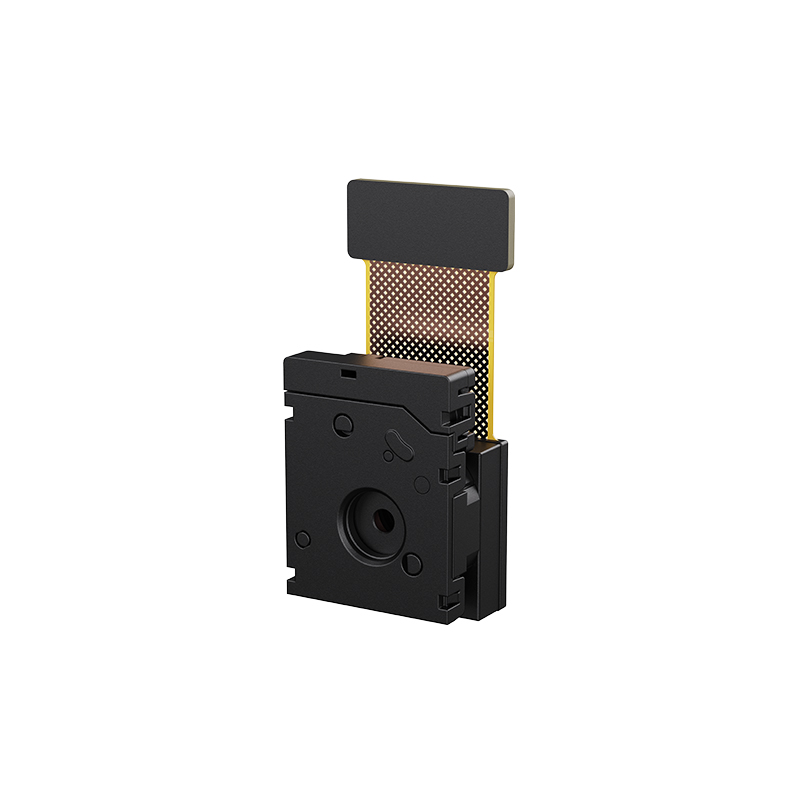
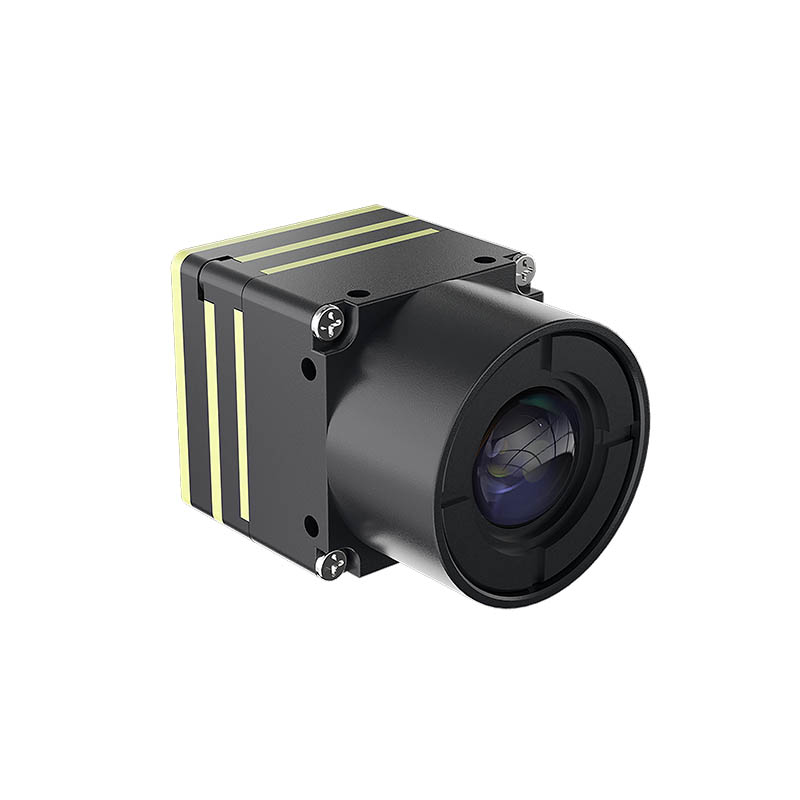
A thermal imager sensor is a specialized device that detects infrared radiation, converting it into an image that represents temperature variations. These sensors are the heart of thermal cameras and systems, enabling users to “see” heat in different environments. The primary function of a thermal imager sensor is to accurately detect temperature differences, making it useful in a wide range of applications, from detecting pipeline leaks to performing medical diagnostics.
Key components of a thermal imager include detector materials, optics, signal processing and display, each of which plays a significant role in the sensor’s performance. When choosing a sensor, accuracy and sensitivity are crucial, as they determine how well the system can identify temperature variations that are critical to your project’s success.

Types of Thermal Imager Sensors
Thermal imager sensors come in two primary types: cooled and uncooled sensors.
- Cooled Thermal Sensors: These sensors operate at extremely low temperatures, which allows them to detect even the slightest temperature differences. They are highly sensitive and provide excellent image quality, making them ideal for high-precision applications like scientific research or defense. However, they are generally more expensive and require more maintenance than uncooled sensors.
- Uncooled Thermal Sensors: These are more common and cost-effective compared to cooled sensors. Uncooled sensors operate at room temperature and are perfect for most commercial and industrial applications, where extreme sensitivity isn’t a primary concern. They offer good resolution and are easier to integrate into existing systems.
In addition to sensor type, the resolution of the sensor is a key factor. Thermal sensors can range from low-resolution to high-definition (HD) models, with higher resolution providing better image quality. Projects that require detailed thermal analysis, such as medical diagnostics or environmental monitoring, will benefit from HD thermal sensors.

Key Considerations When Choosing a Thermal Imager Sensor
Choosing the right thermal imager sensor isn’t just about understanding sensor types. You also need to align the sensor’s specifications with your project’s requirements. Below are some critical factors to consider:
1. Project Requirements
Before selecting a sensor, you need to assess the specific needs of your project. Are you working in an industrial setting where detecting heat loss is crucial? Or perhaps you need a sensor for medical diagnostics, where precision is essential? Identifying your key objectives will guide you in choosing the right sensor.
2. Thermal Sensitivity and Accuracy
Thermal sensitivity, also known as NETD (Noise Equivalent Temperature Difference), measures the smallest temperature difference a sensor can detect. High thermal sensitivity is essential for applications that require precise temperature measurements, like in medical or environmental monitoring.
3. Operating Environment
The sensor you choose must be suited to your project’s operating environment. Factors like temperature ranges, humidity levels, and potential exposure to dust or chemicals can impact the performance of the sensor. Rugged sensors that can withstand harsh environments are ideal for industrial applications, whereas sensors used in medical devices may require specific sterilization capabilities.

Integration Compatibility
Once you’ve identified the right type of sensor, it’s important to ensure that it integrates seamlessly with your existing system. Consider the sensor size, form factor, and power consumption. A sensor that consumes too much power or doesn’t physically fit within your design could cause complications during integration.
Additionally, connectivity options, such as USB or Ethernet interfaces, should be considered to ensure that data transfer from the sensor to your system is both efficient and reliable.
Popular Applications of Thermal Imager Sensors
Thermal imager sensors are versatile and can be applied in several industries. Here are some of the most common applications:
- Industrial Use: In industrial settings, thermal sensors are often used for predictive maintenance, such as detecting overheating machinery or identifying leaks in pipelines.
- Medical Diagnostics: Thermal imaging is also gaining traction in the medical field. It is used in non-invasive diagnostic tools for detecting tumors, inflammation, and other medical conditions without the need for radiation.
- Environmental Monitoring: Thermal sensors are essential in wildlife conservation and environmental monitoring, helping to track animals, detect wildfires, and monitor gas leaks.

Choosing a Trusted Supplier
Selecting a reliable supplier is just as important as choosing the right thermal imager sensor. Look for a provider with a proven track record of delivering high-quality, durable, and accurate thermal imaging products. Companies like Raytron Microelectronics offer cutting-edge thermal sensors that can meet the demands of a variety of integrated projects.
Choosing the right thermal imager sensor for your integrated project is critical to the success and efficiency of your system. By considering factors like sensor type, resolution, thermal sensitivity, and integration compatibility, you can ensure that your project runs smoothly and delivers accurate results. Whether you’re working in industrial, medical, or environmental sectors, selecting the right sensor will significantly enhance your project’s performance.
For advanced and reliable thermal imaging solutions, explore the offerings from Raytron Microelectronics, a leader in thermal sensor technology.