
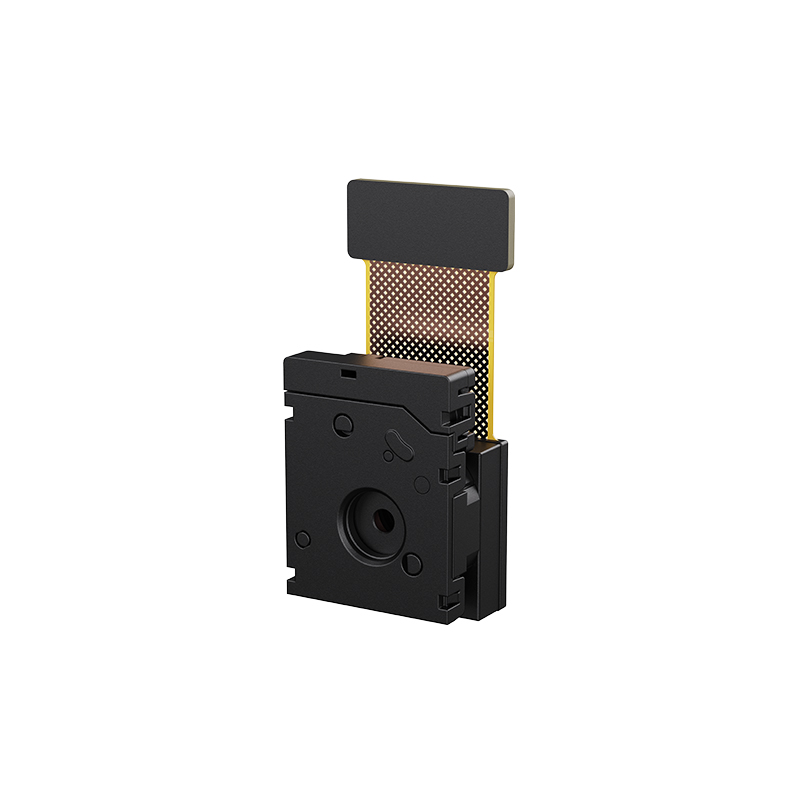
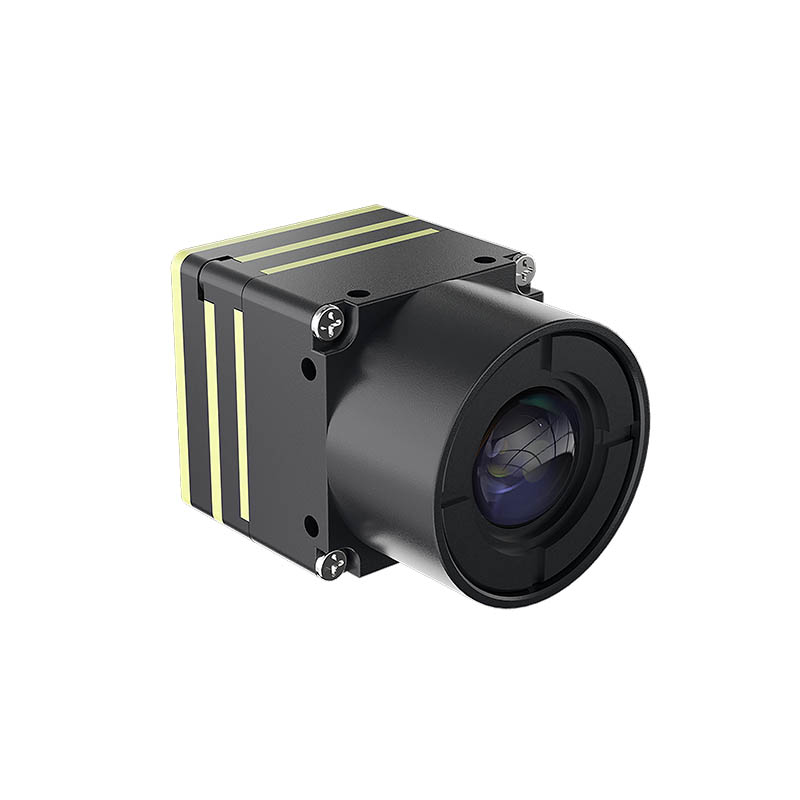
In an age where technology continues to revolutionize our lives, thermal sensors have emerged as vital tools in advanced imaging technology. These remarkable devices can detect heat signatures, enabling a wide array of applications across various industries, from healthcare to environmental monitoring. This article explores how thermal sensors work, their components, and their significance in modern technology.
What Are Thermal Sensors?
Thermal sensors are devices designed to measure temperature and convert thermal energy into readable data. They can be categorized into different types, including thermal cameras and infrared sensors. These sensors are crucial in fields requiring temperature measurement and thermal imaging, providing non-invasive insights that traditional methods may not offer.

The Science Behind Thermal Sensors
At the heart of thermal sensors lies the ability to detect infrared radiation emitted by objects based on their temperature. All objects emit some form of infrared radiation, which increases with temperature. Thermal sensors capture this radiation and convert it into an image, revealing temperature variations within the scene. This principle forms the foundation of thermal imaging technology, allowing users to visualize thermal energy as images that depict different temperature levels.
Components of Thermal Sensors
Thermal sensors consist of several key components that work together to create thermal images:
- Detector Materials: Commonly used materials include indium antimonide (InSb), mercury cadmium telluride (MCT), and vanadium oxide (VOx). These materials are sensitive to infrared radiation and play a crucial role in detecting temperature changes.
- Optics: Specialized lenses are used to focus infrared radiation onto the detector. These lenses are designed to transmit infrared light effectively while minimizing losses.
- Signal Processing: Once the infrared radiation is captured, the sensor converts it into electrical signals, which are then processed to create a visual representation of the temperature distribution.
Understanding these components helps illuminate how thermal sensors function and why they are indispensable in various applications.

Working Mechanism of Thermal Sensors
The working mechanism of thermal sensors can be broken down into several steps:
- Detection: The thermal sensor captures infrared radiation emitted by objects within its field of view.
- Conversion: The captured radiation is converted into electrical signals by the detector materials.
- Processing: These electrical signals are processed to generate a thermal image that visually represents temperature variations.
- Display: Finally, the thermal image is displayed on a screen, allowing users to analyze and interpret the data.
There are two main types of thermal sensors: passive and active. Passive thermal sensors detect radiation without emitting any heat, while active thermal sensors emit infrared radiation and measure the response from the target.
Applications of Thermal Sensors
The versatility of thermal sensors has led to their adoption in numerous applications across various industries:
- Healthcare: Thermal sensors play a significant role in medical diagnostics, allowing for the non-invasive monitoring of body temperature and detecting abnormalities such as inflammation or tumors.
- Construction: In the construction industry, thermal imaging helps identify heat leaks, ensuring energy efficiency in buildings and provides construction thermal camera solution. By detecting temperature differences, these sensors can reveal insulation issues and potential structural problems.
- Environmental Monitoring: Thermal sensors are utilized in environmental applications to monitor temperature changes in ecosystems, helping track climate change impacts and wildlife behavior.
Real-world examples of these applications showcase the profound impact thermal sensors have on improving safety and efficiency across sectors.

Advantages of Using Thermal Sensors
The benefits of thermal sensors are numerous:
- Non-invasive Imaging: Thermal sensors provide a safe and non-intrusive way to visualize temperature differences, making them ideal for medical diagnostics and building inspections.
- Enhanced Safety: By detecting potential issues like overheating equipment or insulation failures, thermal sensors contribute to improved safety in various environments.
- Cost-effective Solutions: Thermal imaging can save money by identifying problems before they escalate, whether in healthcare or infrastructure.
When compared to traditional imaging methods, thermal sensors offer unique advantages that enhance diagnostic accuracy and operational efficiency.
Future Trends in Thermal Sensor Technology
As technology evolves, so too does the potential for thermal sensors. Innovations such as miniaturization and the integration of artificial intelligence (AI) are on the horizon. These advancements may lead to more sophisticated thermal sensors capable of providing real-time analysis and enhanced decision-making support in critical applications.
Thermal sensors are essential tools in advanced imaging technology, providing insights that enhance safety, efficiency, and understanding across various industries. Their ability to visualize thermal energy is revolutionizing how we approach diagnostics and monitoring. As we delve deeper into the capabilities of thermal sensors, we unlock new potential for innovation and application in our ever-evolving technological landscape.