
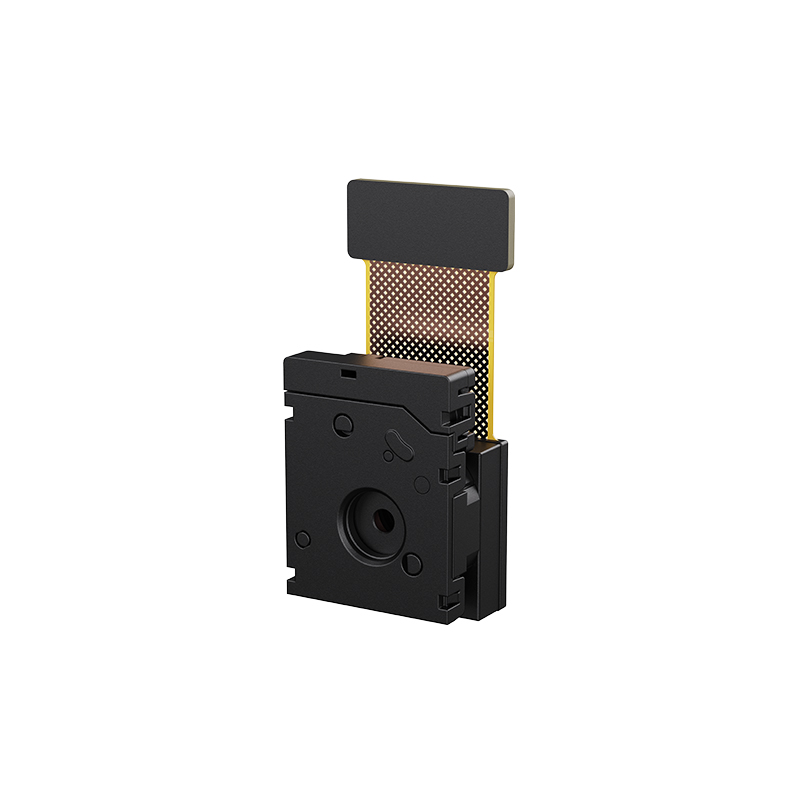
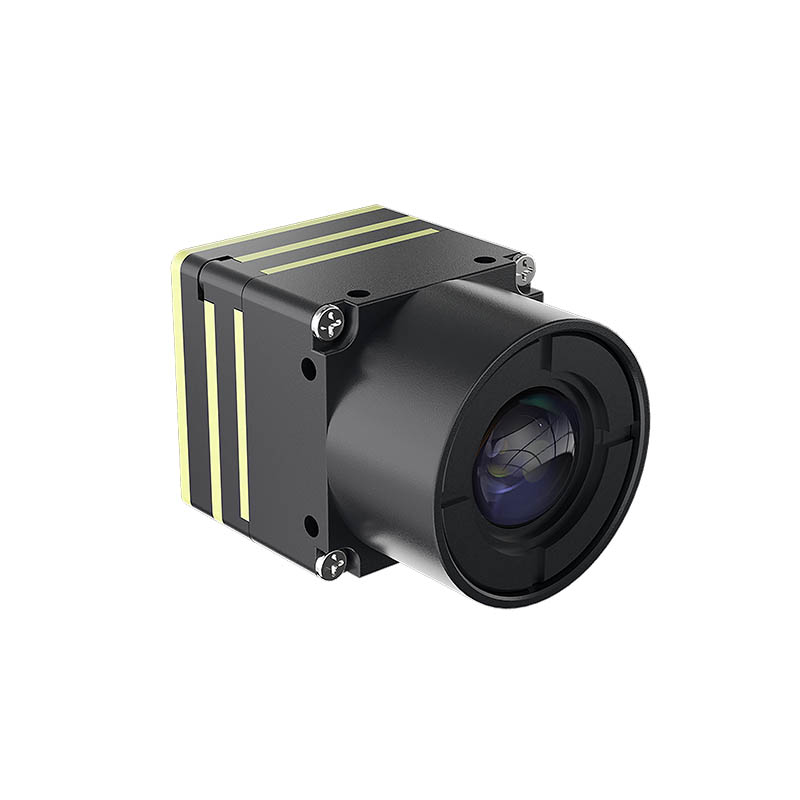
Thermal cores have become integral to various industries, offering precise temperature readings and imaging capabilities where traditional cameras fall short. Whether you’re working with thermal imaging cores for monitoring, medical diagnostics, or industrial applications, ensuring you have the right core technology is critical to achieving accurate results. In this article, we’ll explore the five essential elements to assess whether your thermal imaging cores are truly top-notch.
1. Resolution: Clear Images with Thermal Cores
One of the first factors to evaluate in a thermal core is its resolution. The clarity of the images produced directly impacts how well you can detect and analyze thermal anomalies. High-resolution thermal cores, particularly thermal imaging cores with HD capabilities, provide detailed images that allow for better differentiation between subtle temperature changes. A higher-resolution HD IR camera core ensures crisp images, making it easier to spot potential issues in fields like building inspections, wildlife tracking, or even advanced medical applications.
Resolution is especially important when precision matters, such as in high-stakes environments. The better the resolution, the more information you can extract from thermal images.

2. Sensitivity: Detecting the Faintest Temperature Changes
While resolution is essential for clarity, thermal sensitivity defines how well your thermal cores can detect slight temperature variations. The sensitivity of a thermal core determines its ability to capture even the faintest temperature differences, which is crucial in applications like electrical inspection, where small changes may indicate potential failures.
High-sensitivity thermal imaging cores can differentiate between minor temperature variations, offering more accurate readings. In high-definition IR camera cores, this sensitivity combines with resolution to deliver images that not only show temperature patterns but also enhance the detection of hidden issues that could otherwise go unnoticed.

3. Durability: Ensuring Long-Term Performance
Durability is often an overlooked but critical factor when evaluating the quality of thermal cores. Thermal imaging equipment is frequently used in challenging environments—from industrial sites to the wilderness. Therefore, your thermal cores must be built to withstand harsh conditions without compromising performance.
High-definition IR camera cores, for instance, should maintain their effectiveness even when exposed to extreme temperatures, moisture, or dust. Robustness ensures that the core continues to deliver high-quality results, regardless of external conditions. Whether you are working in industrial, or outdoor environments, investing in durable thermal cores ensures long-term reliability.

4. Versatility: Adapting to Various Use Cases
A good thermal core should be adaptable to a wide range of applications. From thermal imaging cores used in medical diagnostics to hd ir camera cores employed in drone surveillance, versatility is key. The ability to switch between various use cases makes the core more valuable and efficient.
In industrial settings, for example, the same thermal core may need to monitor electrical equipment one day and perform building inspections the next. High-definition IR camera cores designed with flexibility in mind can cater to different fields without the need for multiple devices, saving both time and money.

5. Integration: Seamless Compatibility with Other Systems
Finally, integration is a crucial element to consider. The best thermal cores are designed for easy integration with other systems, allowing them to work seamlessly with various platforms or devices. Whether you are working with security systems or automated machinery, the core should easily fit into your existing workflow without the need for extensive modifications.
Thermal imaging cores with modular designs make it easy to upgrade or adapt the system as needed. Whether it’s a standalone thermal core or part of a broader system, compatibility ensures smooth operation and minimal downtime, which is vital in fast-paced, mission-critical environments.

When evaluating the quality of your thermal cores, pay close attention to these five elements: resolution, sensitivity, durability, versatility, and integration. A core that excels in these areas will provide better performance, reliability, and adaptability, making it a solid investment for a range of applications. Whether you’re working with thermal imaging cores, hd ir camera cores, or high-definition IR camera cores, these factors will help you determine whether your thermal imaging technology is truly up to the task.