
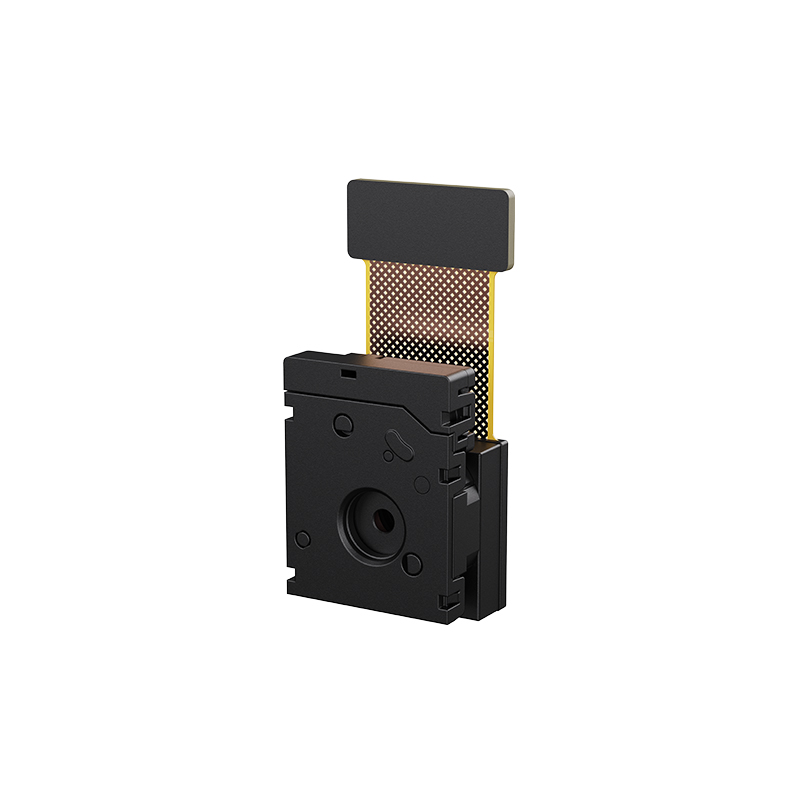
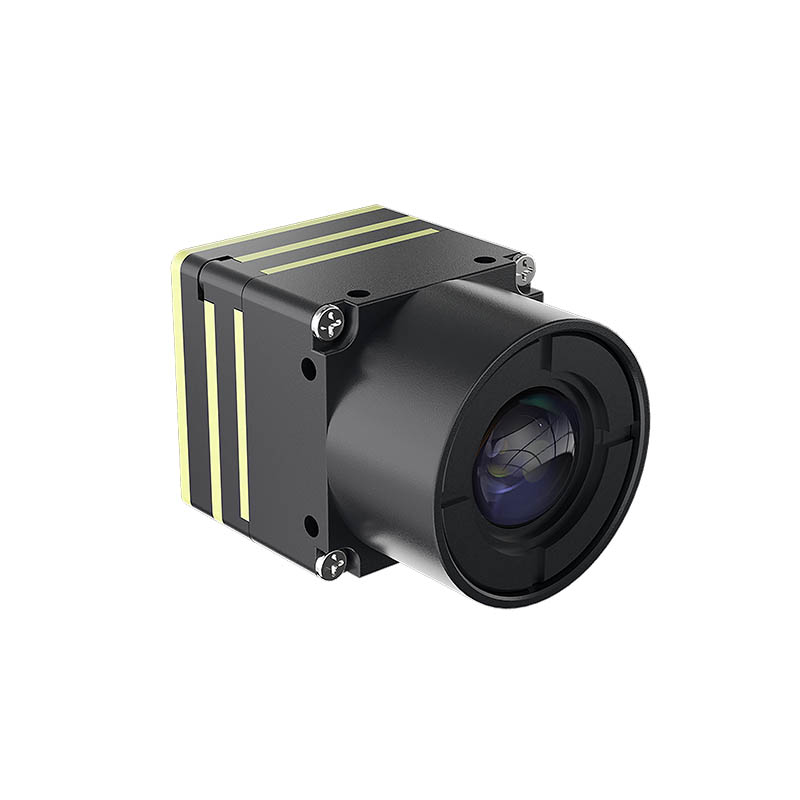
In the world of LWIR thermal sensors, choosing the right sensor and resolution is crucial for applications requiring precise thermal imaging. But when terms like SXGA, XGA, VGA, and QVGA are thrown into the mix, it can get confusing. These acronyms refer to different image resolutions, and understanding them is essential in determining which one is best suited for your LWIR thermal sensor needs. In this article, we will break down these resolution types and explain their significance in LWIR modules and micro thermal camera modules.
What Are SXGA, XGA, VGA, and QVGA?
Before diving into how these resolutions affect LWIR thermal sensors, it’s important to understand what each acronym stands for and the type of resolution it represents:
- SXGA (Super Extended Graphics Array): This resolution typically offers 1280 x 1024 pixels. SXGA is used in applications where higher clarity and detail are required, often found in LWIR camera modules with demanding thermal imaging needs.
- XGA (Extended Graphics Array): XGA provides a resolution of 1024 x 768 pixels. It offers a balance between image quality and processing efficiency, making it popular in many thermal imaging applications.
- VGA (Video Graphics Array): VGA represents a resolution of 640 x 512 pixels. Though lower in pixel count, it is still widely used in LWIR sensors that don’t require extremely high detail but need quick response times.
- QVGA (Quarter Video Graphics Array): QVGA, with a resolution of 320 x 288 pixels, is even more compact. This resolution is suitable for smaller, lightweight LWIR micro thermal camera modules and IR camera cores where minimal data load and faster performance are priorities.
| Description | Code | Resolution |
| Super Video Graphics Array | SXGA | 1280 x 1024 |
| Extended Graphics Array | XGA | 1024 x 768 |
| Video Graphics Array | VGA | 640 x 512 |
| Quarter Video Graphics Array | QVGA | 384 x 288 |
How Do Resolutions Impact LWIR Thermal Sensors?
Now that we’ve covered the basics of these resolutions, let’s discuss why this matters for LWIR thermal sensors. The choice of resolution has a direct impact on several key performance factors:
1. Image Clarity and Detail
Higher resolutions like SXGA and XGA provide more pixels, which means more detailed thermal images. This can be critical in scenarios where precise temperature readings or image analysis is required, such as in medical imaging or industrial inspections. On the other hand, VGA and QVGA, while lower in resolution, are still highly effective in applications like security or wildlife monitoring, where broader coverage is more important than fine detail.

2. Sensor Size and Weight
LWIR camera modules with higher resolutions typically have larger sensors, which can increase the overall size and weight of the system. This is particularly important in applications where size constraints are critical, such as in drones or handheld devices. LWIR micro thermal camera modules, often designed for lightweight use, might opt for QVGA or VGA resolutions to maintain portability without compromising essential functionality.

3. Power Consumption
Higher resolution sensors require more power, which can be a drawback in battery-operated or low-power devices. Lower resolution sensors, such as those with QVGA or VGA formats, are often preferred for their efficiency in power-sensitive environments like autonomous systems or remote thermal monitoring. However, with the development of technology, there are now many high-resolution but low-power quality LWIR thermal sensors available.

4. Data Processing and Bandwidth
The resolution also affects the amount of data that needs to be processed and transmitted. Higher resolution formats like SXGA and XGA produce larger data files, which can slow down the system’s response time if not properly managed. Lower resolution options like VGA and QVGA help reduce the processing burden, ensuring faster response times and less bandwidth usage in LWIR sensors where real-time data is critical.

Which Resolution is Right for Your LWIR Sensor?
Selecting the correct resolution for an LWIR sensor depends on the application and its requirements. Here are some guidelines:
- SXGA and XGA: Ideal for applications requiring detailed image analysis, such as research, advanced diagnostics, or high-precision industrial tasks.
- VGA and QVGA: Suitable for tasks that prioritize speed, efficiency, and broad coverage over image detail, such as in wildlife observation, monitoring, or basic thermal inspections.
Applications of LWIR Thermal Sensors by Resolution
- SXGA in Medical Imaging: SXGA resolution allows for detailed thermal imaging, essential in identifying minute temperature variations in medical diagnostics.
- XGA in Industrial Monitoring: XGA strikes a balance between clarity and data processing, making it ideal for routine industrial inspections where both speed and accuracy are needed.
- VGA for Security and Surveillance: VGA resolution is commonly used in LWIR modules for security purposes, offering sufficient clarity for threat detection without overloading system resources.
- QVGA for Compact Systems: QVGA resolution is often employed in LWIR micro thermal camera modules, such as in drones or other portable devices, where weight and power efficiency are critical.

Understanding the differences between SXGA, XGA, VGA, and QVGA resolutions is crucial for selecting the right LWIR thermal sensor for your needs. Higher resolutions offer more detail but require more power and data processing, while lower resolutions provide faster performance and efficiency. By choosing the right balance based on your application—whether it’s a LWIR camera module, micro thermal camera module, or IR camera core—you can optimize the performance of your thermal imaging system.
Selecting the right resolution is not just a technical decision; it’s about ensuring that your LWIR sensor delivers the performance, efficiency, and clarity that your specific application demands.